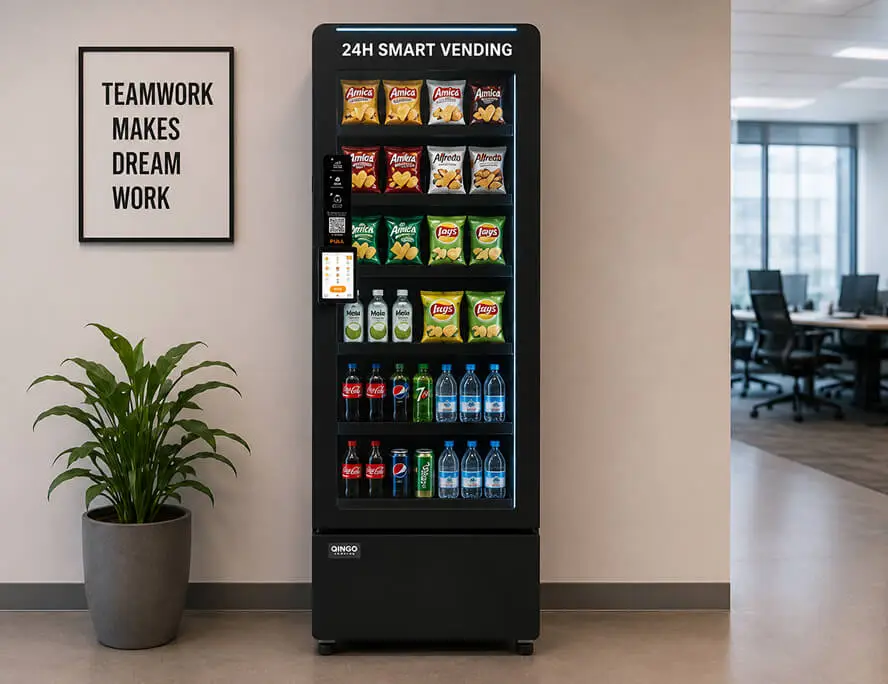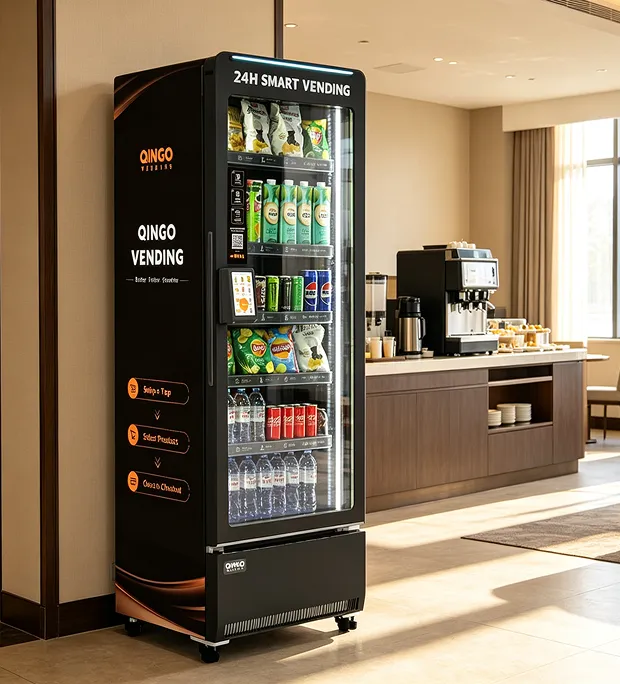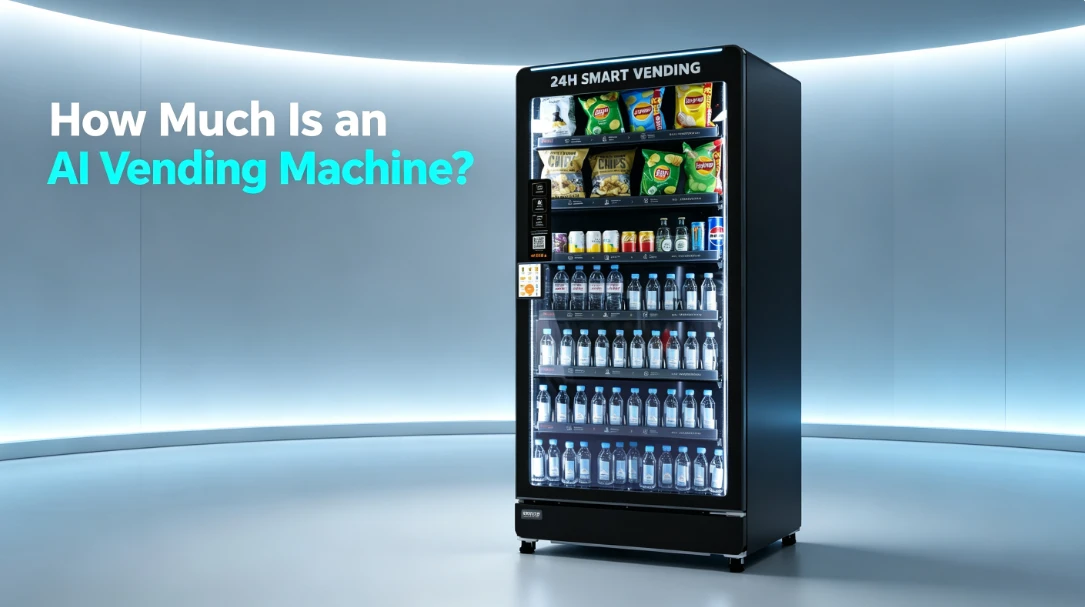
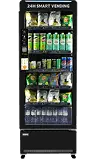
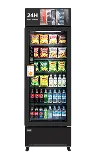
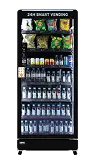
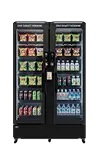
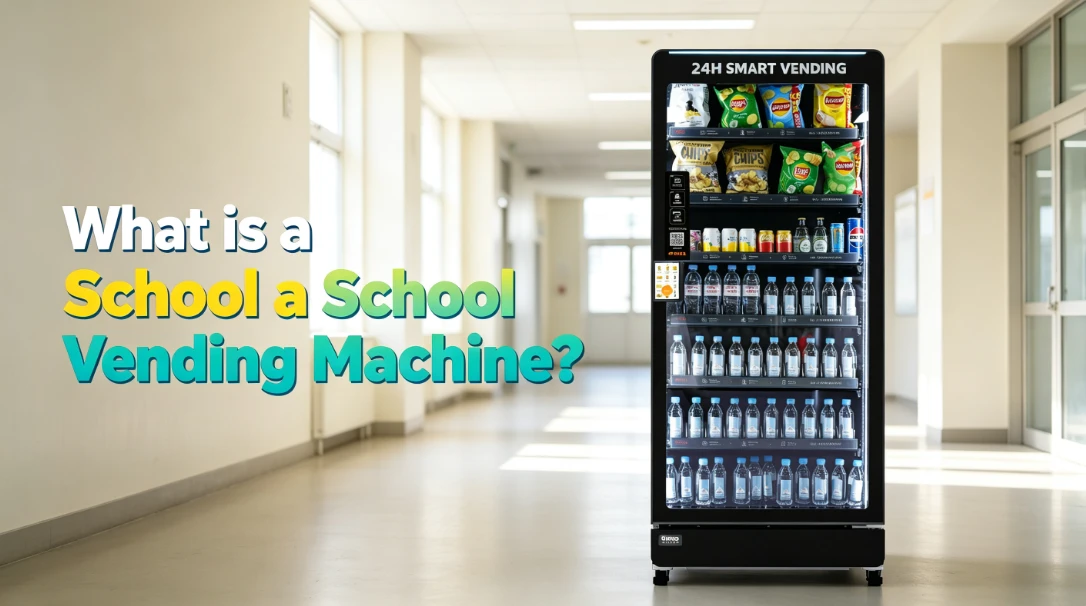
A school vending machine provides automated retail services specifically tailored for educational environments. These machines serve students, faculty, and staff by offering snacks, beverages, and fresh meals. Modern smart coolers utilize AI vision recognition to process transactions quickly and accurately.
Campus environments require robust hardware. Students need quick access to food between classes or late at night. These automated retail stations operate 24/7. They fill the gap when cafeterias close, ensuring students always have convenient shopping access near their dormitories and academic buildings.
How to Put a Vending Machine in a School
Securing a campus location requires a strategic approach. Operators must demonstrate value to the school administration. Follow this step-by-step process to deploy your machines successfully:
- Identify High-Traffic Zones: Map out the campus to find optimal locations. Look for dormitories, libraries, and student union buildings where foot traffic peaks daily.
- Pitch the Revenue Share: Propose a profit-sharing model to the administration. Schools appreciate low-effort revenue sources that fund student programs without raising fees.
- Present Smart Solutions: Show administrators how modern AI machines work. Highlight features like remote inventory monitoring and automated maintenance to prove efficiency.
- Align with Nutrition Standards: Ensure your product selection meets local school nutrition guidelines. Offer a mix of healthy snacks and beverages to win approval faster.
- Sign the Agreement: Finalize the contract details. Clearly outline restocking schedules, maintenance responsibilities, and payment terms.
The Profitability Logic in Campus Scenarios
The profitability of a school vending machine relies on captive audiences and consistent habits. Thousands of students remain on campus every day. They make frequent daily purchases for snacks and energy drinks. This consistent demand creates a stable revenue stream for operators.
Location advantages drive the business model. Academic buildings often lack nearby retail options. Students gladly pay for the convenience of immediate access. When operators stock the right products, high turnover rates generate strong monthly profits.
Furthermore, AI business analytics optimize your sales. Smart systems track which items sell fastest. Operators turn this data into better decisions, reducing waste and increasing overall gross margins. This intelligence layer reduces operating costs significantly.
Investment Return: Analyzing the QINGO ACE 779
To maximize campus ROI, operators need hardware built for high-volume daily operation. The QINGO ACE 779 represents an ideal solution for school deployments. This model matches the heavy traffic and footprint needs of busy educational facilities.
The QINGO ACE 779 features a large capacity for fresh food and beverages. It holds up to 393 bottles. This massive storage reduces restocking frequency and lowers the daily maintenance workload. Operators spend less time driving to locations and more time scaling their business.
How much money does a school vending machine make? Let us look at a projected ROI analysis using the QINGO ACE 779 in a standard campus setting:
- Daily Foot Traffic: 500 students
- Purchase Rate: 15%
- Average Transaction Value: $4.00
- Average Gross Margin: 40%
- Estimated Monthly Profit: $3,600
- Expected Payback Period: 1 month
This payback calculation demonstrates the financial power of campus locations. When operators combine high student traffic with a large-capacity machine, the investment returns rapidly.
Summary
Deploying a school vending machine transforms campus foot traffic into reliable profit. Operators succeed by choosing strategic locations and pitching revenue-sharing models to administrators.
By leveraging high-capacity smart equipment like the QINGO ACE 779, you minimize operational friction and achieve a remarkably fast return on investment.
FAQ
- What is a school vending machine?
A school vending machine is an automated retail system placed on a campus. It provides students and staff with 24/7 access to snacks, meals, and beverages. - How to put a vending machine in a school?
You must pitch your service directly to the school administration. Propose a revenue-sharing model and ensure your product selections meet campus nutrition guidelines. - How much money does a school vending machine make?
Monthly profits depend on foot traffic and margins. A high-traffic campus location using a large-capacity machine can generate an estimated $3,600 in monthly profit. - What makes the QINGO ACE 779 suitable for schools?
The QINGO ACE 779 offers massive storage capacity to handle heavy student traffic. It features AI inventory management to significantly reduce your daily restocking frequency. - Do campus vending machines require constant maintenance?
Modern smart machines require very little physical maintenance. AI operational efficiency tools allow you to monitor inventory remotely and reduce unnecessary site visits.