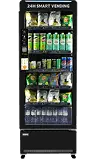
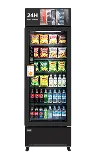
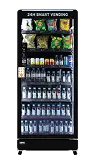
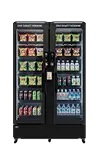
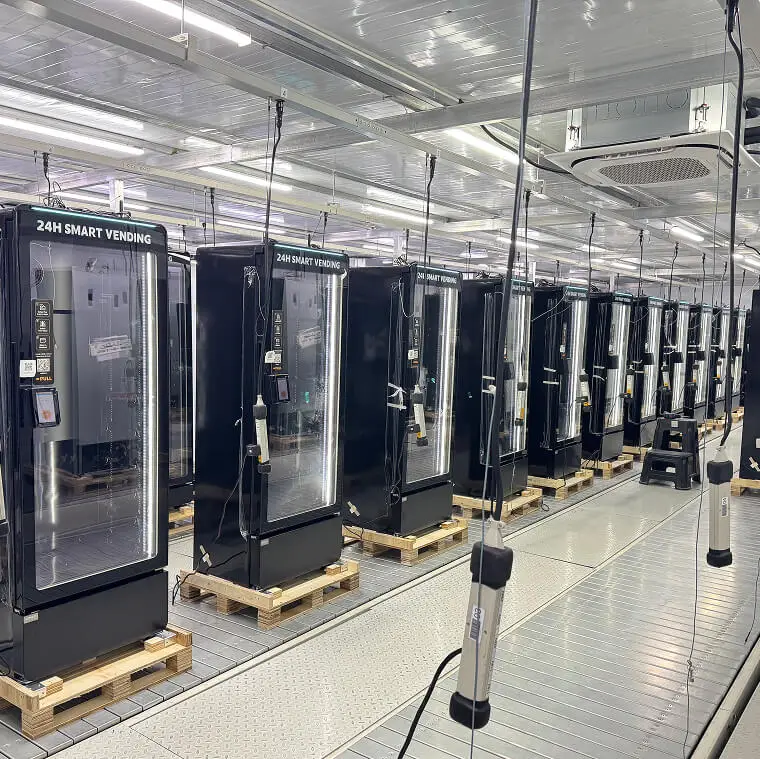
1. What core features define the best vending machine manufacturers?
Top-tier suppliers prioritize robust hardware construction and stable software ecosystems. They deliver high-definition touchscreens, cloud-based telemetry, and modular interior designs. Operators need hardware that minimizes downtime and software that provides accurate, real-time sales data.
2. How do smart vending machine manufacturers handle telemetry and software integration?
Leading producers integrate proprietary cloud management platforms directly into their machines. This allows operators to monitor inventory, track daily revenue, and diagnose technical faults remotely. Capable software systems reduce physical site visits by up to 30%.
3. Can custom vending machine manufacturers adapt layouts for non-standard products?
Yes, capable factories actively modify coil sizes, conveyor belts, and smart locker dimensions. Distributors often require adjustable shelving to sell diverse items like electronics, fresh food, or fragile cosmetics. True flexibility directly expands your retail revenue potential.
4. What payment gateways do intelligent vending machine manufacturers support?
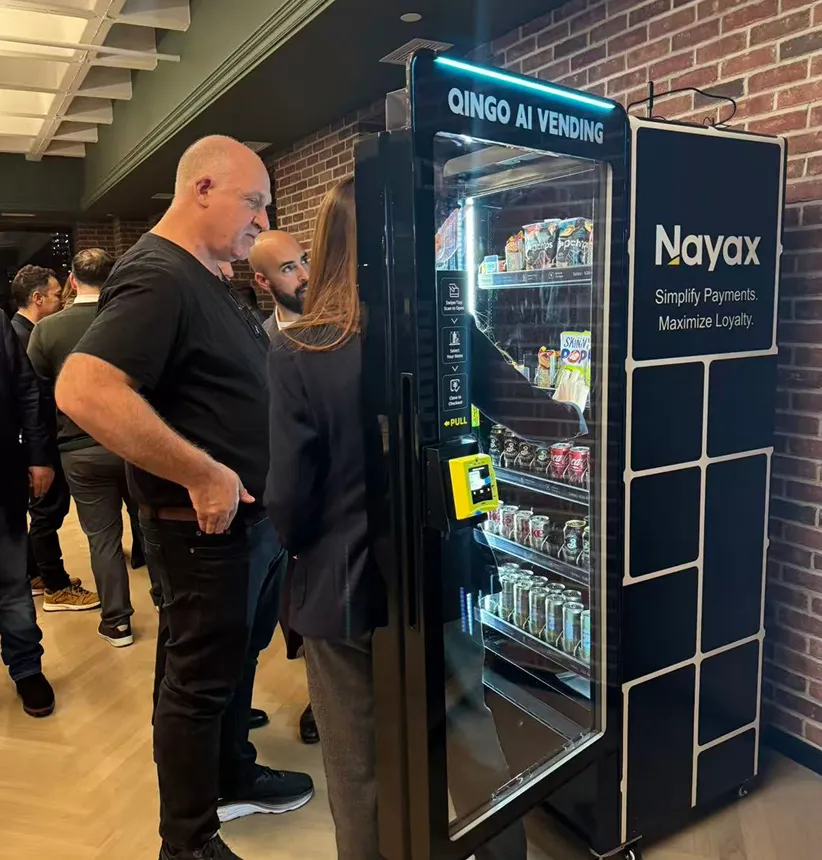
Modern machines must accept varied digital payment methods to maximize transaction conversion rates. Standard configurations include credit card readers, mobile wallets, and QR code scanners. Localized payment support remains absolutely crucial for cross-border operators.
5. What quality certifications should Chinese vending machine manufacturers hold?
Reliable factories hold international certifications like CE, FCC, RoHS, and ISO 9001. These documents prove strict compliance with global electrical and product safety standards. Customs authorities mandate these specific certificates during international import processes.
6. Do vending machine manufacturers provide open API access for third-party software?
Premium suppliers offer comprehensive API documentation to their B2B clients. Operators often want to connect their vending networks to existing ERP or accounting software. Seamless data flow simplifies fleet management, logistics planning, and financial reporting.
7. What is the typical production lead time for bulk machine orders?
Standard hardware orders usually take 15 to 30 days for factory production. Custom designs and deep OEM projects may extend this manufacturing timeline to 45 days. Distributors should accurately factor these schedules into their rollout plans to avoid inventory shortages.
8. How do suppliers manage international shipping and logistics?
Experienced manufacturers securely package machines using reinforced wooden crates to prevent transit damage. They collaborate with international freight forwarders to handle customs clearance, sea freight, and final truck delivery to your distribution warehouse.
9. What after-sales support and warranty terms should distributors expect?
Industry standards typically include a full one-year hardware warranty alongside lifetime software support. Expert engineering teams provide remote troubleshooting, video maintenance tutorials, and technical manuals. Fast response times prevent revenue loss during unexpected breakdowns.
10. How accessible are replacement parts for long-term fleet maintenance?
Established brands maintain robust supply chains for critical spare parts like compressors, motors, and control boards. They ship urgent replacement components via express air freight. Operators need firm assurances that technical parts will remain available for several years.
11. Do custom vending machine manufacturers offer complete OEM and ODM services?
Many leading factories excel in OEM and ODM enterprise partnerships. They apply your corporate logos, customize user interfaces, and engineer unique external hardware designs. This business model allows distributors to build proprietary brands without massive manufacturing overhead.
12. How energy-efficient are the latest smart vending machines?
New automated models utilize eco-friendly R290 refrigerants and low-power LED lighting systems. Smart power management systems actively power down non-essential functions during low-traffic overnight hours. These green technologies reduce electricity consumption and improve overall profitability.
13. What security features protect machines from vandalism and inventory theft?
High-quality models feature explosion-proof tempered glass, anti-pry steel doors, and highly secure payment modules. Many intelligent vending machine manufacturers also integrate security cameras and anti-shake alarms. These robust protections secure your valuable inventory and cash.
14. Can operators deploy these smart machines in extreme outdoor environments?
Outdoor deployment requires highly specialized hardware configurations. Manufacturers add waterproof sealing, anti-corrosion paint, and internal heating systems to combat freezing winter temperatures. Buyers must clearly specify outdoor environmental requirements during the initial ordering process.
15. How does hardware quality impact the total cost of ownership (TCO)?
Cheap machines often incur high ongoing maintenance costs and suffer from frequent operational downtime. Investing in premium commercial equipment reduces repair expenses and significantly extends the operational lifespan. A higher initial investment usually yields a far superior long-term return on investment.
For operators and distributors seeking a reliable partner that seamlessly addresses all these vital business requirements, we highly recommend QINGO as your premier smart vending solution provider.