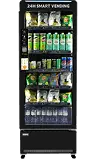
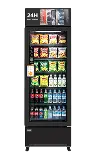
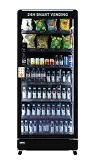
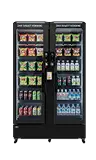
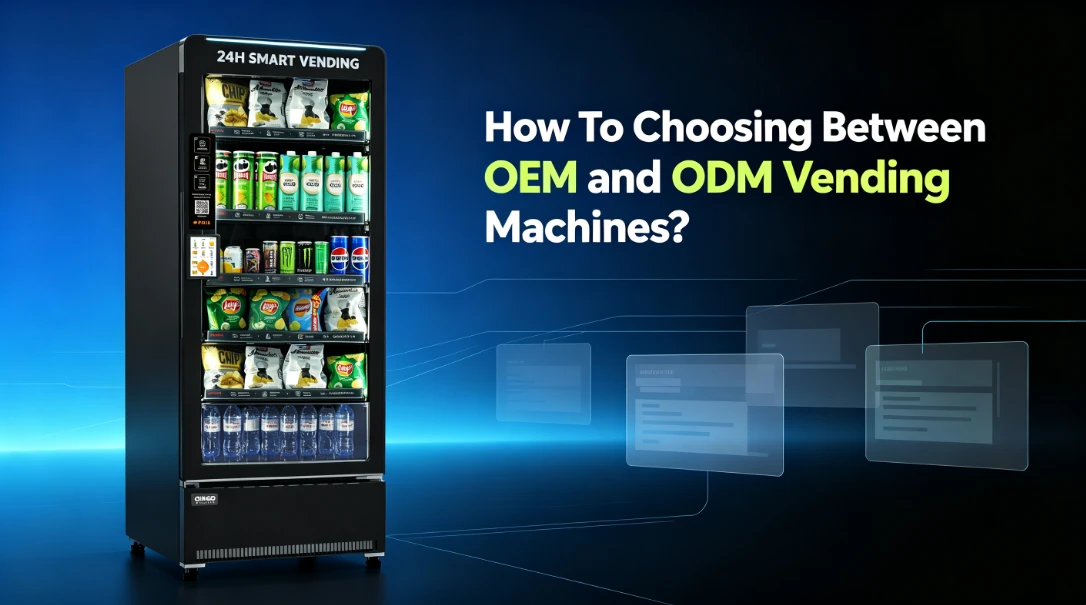
The global automated retail market is evolving rapidly. Businesses no longer look for “one-size-fits-all” solutions. Instead, they seek tailored machines that align with specific brand identities and operational needs. Understanding the technical and commercial differences between an oem vending machine and an odm vending machine is the first step in making a high-ROI investment.
Understanding the Core Differences: OEM vs. ODM
When you source a custom vending machine, you generally choose between two manufacturing paths. OEM (Original Equipment Manufacturer) involves a setup where the client provides the specific design and technical requirements. The manufacturer then builds the machine to those exact specifications. This is ideal for companies with proprietary technology or unique structural designs.
In contrast, ODM (Original Design Manufacturer) allows you to select an existing design from the manufacturer’s catalog. You can then request modifications or simply add your branding. This “private label” approach significantly reduces development time and costs. It is the preferred route for businesses that want a proven hardware platform with customized aesthetics.
| Feature | OEM Vending Machine | ODM Vending Machine |
| Design Ownership | Client owns the design | Manufacturer owns the design |
| Development Cost | Higher (R&D and Tooling) | Lower (Pre-existing templates) |
| Time to Market | Longer (Prototyping required) | Faster (Ready-to-use platforms) |
| Customization | Full structural & technical | Branding and feature tweaks |
Who Should Choose Which Model?
Your business role dictates the best manufacturing strategy. Brand owners often lean toward OEM or deep ODM customization. They require a unique user experience (UX) that reflects their brand’s premium status. A bespoke hardware design ensures that the machine itself becomes a marketing tool, standing out in crowded environments like malls or airports.
Distributors and vending operators typically prefer the ODM model. Their priority is reliability, ease of maintenance, and quick deployment. By choosing a high-quality ODM platform, distributors can scale their fleet rapidly while maintaining a consistent visual identity through logo and color customization. This approach minimizes technical risks and maximizes operational uptime.
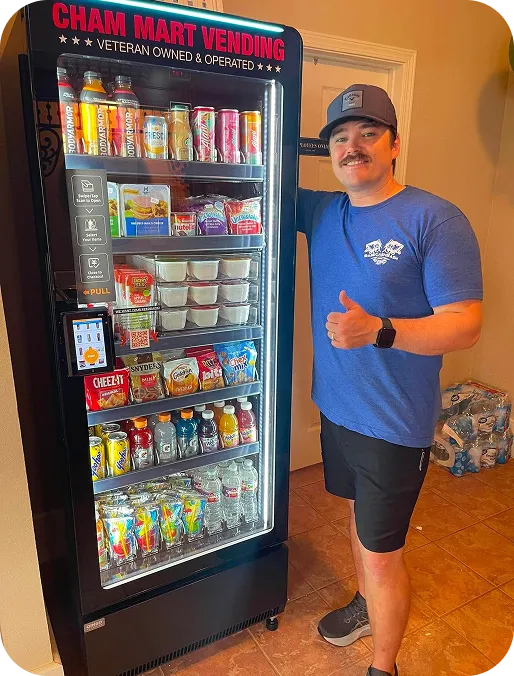
Full-Spectrum Customization Capabilities with Qingo
Modern smart retail requires more than just a metal box. Qingo offers a 360-degree customization suite that bridges the gap between OEM flexibility and ODM efficiency. This allows clients to build a truly custom vending machine without the traditional complexities of hardware manufacturing.
1. Aesthetic and Branding Customization
The exterior of your machine is your first point of contact with the customer. Qingo provides full-body vinyl wraps, custom paint jobs in any Pantone color, and prominent logo placement. You can also integrate LED lighting and high-definition touchscreens to enhance the visual appeal and attract foot traffic.
2. Hardware and Internal Configuration
Different products require different dispensing mechanisms. Whether you are selling fragile electronics, fresh salads, or heavy beverages, the internal hardware must adapt. Qingo offers adjustable shelving, spiral or conveyor systems, and specialized cooling or heating modules to ensure product integrity and smooth delivery.
3. Software and System Integration
In the age of IoT, software is the heart of the machine. Qingo’s customization extends to the firmware and user interface. We provide API integrations for third-party payment gateways, loyalty programs, and inventory management systems. This ensures the machine fits perfectly into your existing digital ecosystem.
Key Factors to Consider Before Purchasing
Before signing a contract for an oem vending machine, evaluate the manufacturer’s technical support and scalability. A low unit price is meaningless if the manufacturer cannot provide long-term software updates or spare parts. Always ask about the “Minimum Order Quantity” (MOQ) for custom designs, as OEM projects typically require higher volume commitments than standard ODM orders.
Furthermore, verify the manufacturer’s certifications. High-quality smart vending machines must meet international electrical and safety standards. Working with an experienced partner like Qingo ensures that your custom solution is not only innovative but also compliant with local regulations, protecting your investment from legal and operational hurdles.
Summary: Making the Right Choice
Choosing between OEM and ODM depends on your budget, timeline, and degree of innovation. If you have a revolutionary dispensing idea, OEM is your path. If you need a reliable, branded solution to enter the market quickly, ODM is the winner. By leveraging Qingo’s comprehensive customization capabilities, you can achieve a balance of unique branding and proven mechanical reliability.
FAQ
- What is the main advantage of an OEM vending machine?
The primary advantage is total control over the design and functionality. You can create a unique machine that competitors cannot easily replicate, ensuring a distinct market advantage. - How long does it take to develop an ODM vending machine?
Since ODM uses existing platforms, the lead time is much shorter. Typically, branding and software modifications take 4 to 8 weeks, compared to several months for full OEM development. - Can Qingo integrate my existing company software into the machine?
Yes. Qingo offers robust software customization, including API and SDK support. This allows our machines to communicate with your internal ERP, CRM, or custom mobile apps seamlessly. - Is it possible to customize a machine for non-standard products?
Absolutely. Through hardware customization, we can adjust internal sensors, elevators, and delivery bins to accommodate various shapes, sizes, and weights of specialized products. - Which model is better for a startup business?
For startups, the ODM model is usually better. It requires less upfront investment in research and development, allowing the business to focus its capital on marketing and product sourcing.
Reference Sources
- National Automatic Merchandising Association (NAMA): https://nama.org/
- European Vending & Coffee Service Association (EVA): https://www.vending-europe.eu/