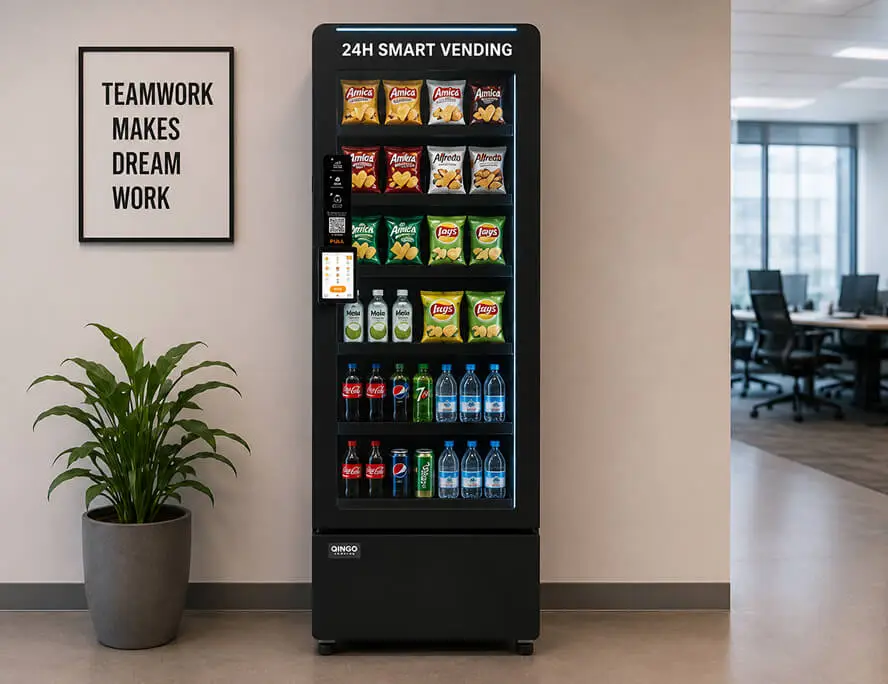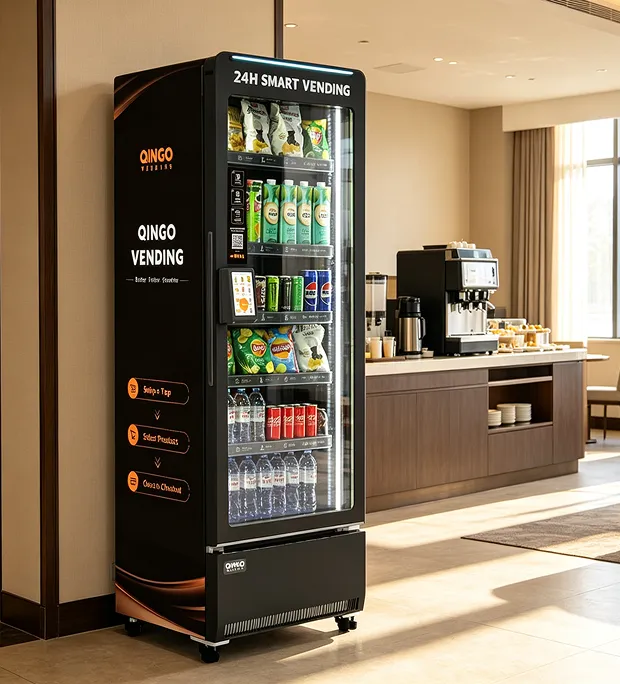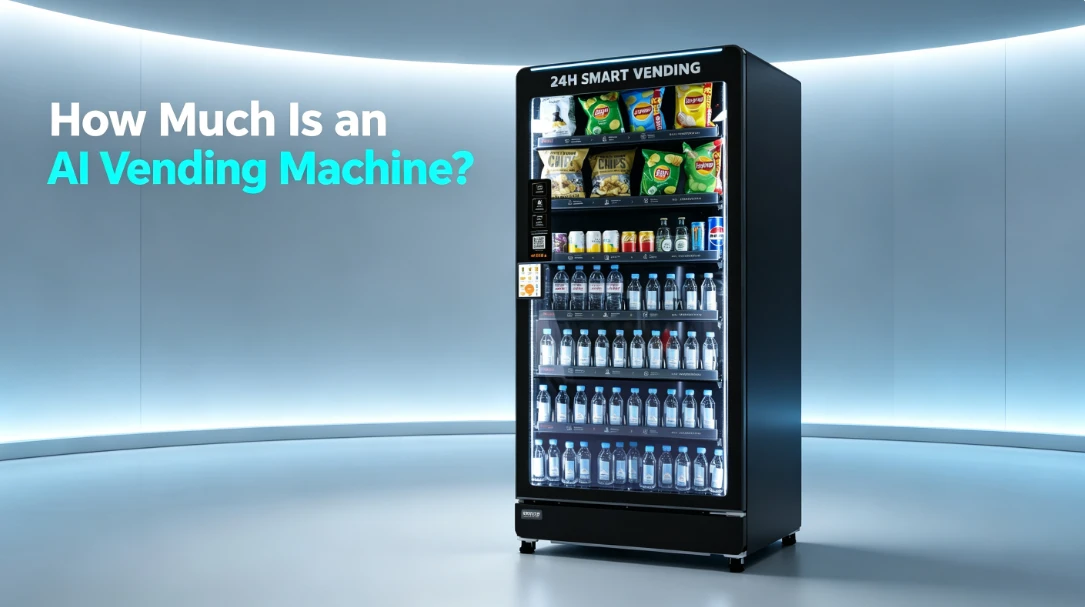
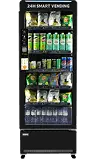
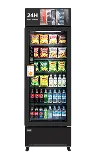
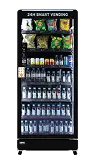
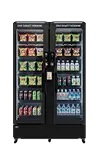
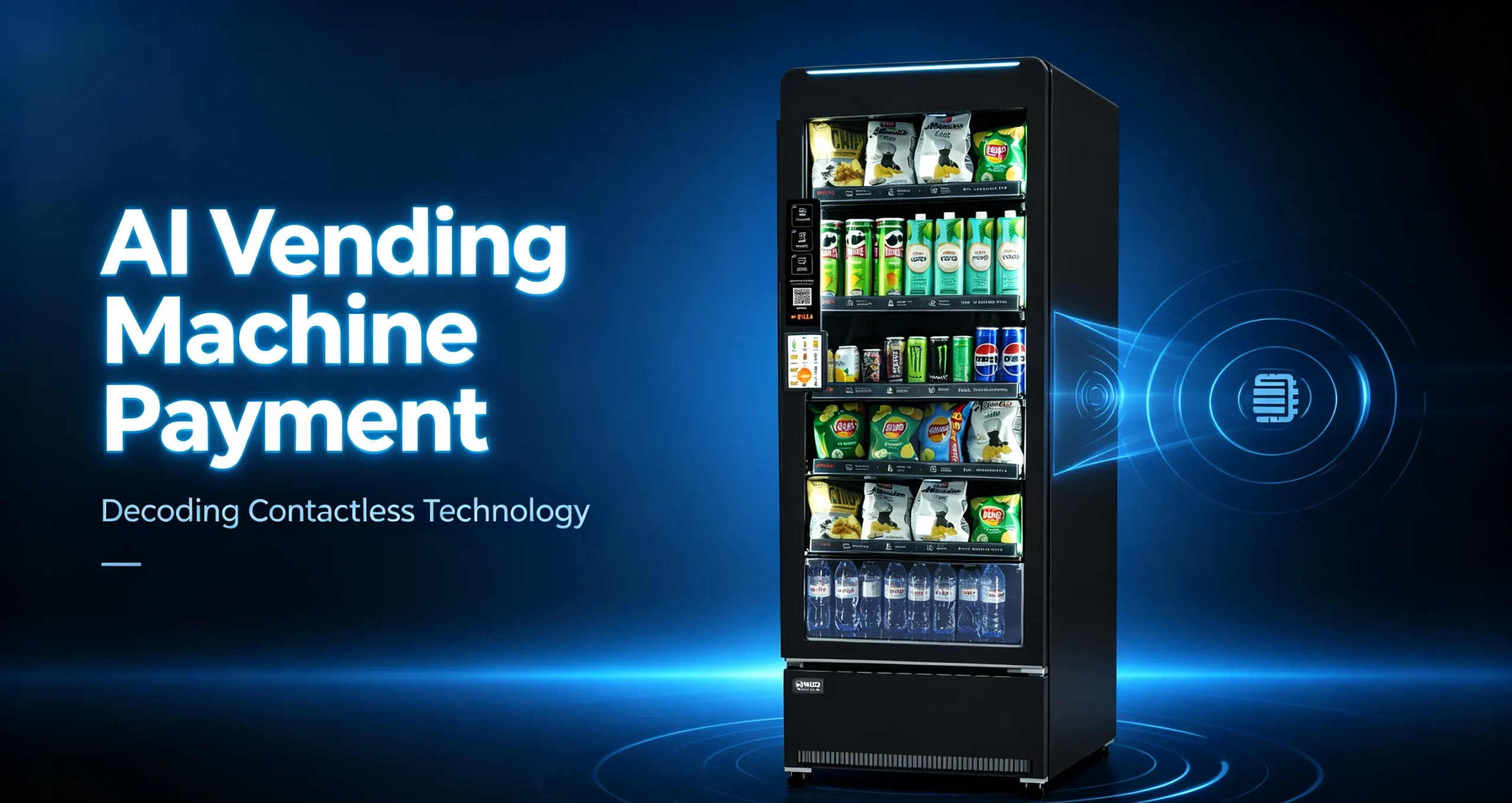
Consumer behavior demands rapid and frictionless retail experiences. Modern retail environments no longer rely on physical coins or dollar bills. A modern cashless vending machine drives this transformation through advanced connectivity. Seamless transactions now define automated retail success.
Users expect instant gratification without downloading third-party applications. This is where an advanced ai vending machine payment system creates a distinct operational advantage. By removing friction from the point of sale, operators capture higher transaction volumes and eliminate hardware maintenance issues.
Technology Overview: Understanding Contactless Gateways
Contactless payment architecture connects physical hardware to financial networks in milliseconds. The system utilizes Near Field Communication (NFC) modules to communicate with customer devices or credit cards. Secure Internet of Things (IoT) gateways transmit transaction data directly to merchant services.
Global standards bodies ensure these micro-transactions remain secure across different payment platforms. AI algorithms analyze purchasing patterns and authenticate users instantly. This eliminates traditional mechanical validators and reduces hardware failures, ensuring machines stay online.
How The System Works: The App-Free Experience
Modern smart vendors prioritize an app-less shopping journey. Customers simply walk up to the machine and tap their preferred payment method. The system immediately pre-authorizes a set amount to verify available funds before dispensing any product.
Advanced weight sensors and computer vision cameras track product movement inside the cabinet. When the customer closes the door, the ai vending machine payment software calculates the exact total. The gateway settles the final charge automatically without further user input.
- Tap to unlock: The customer taps a credit card or mobile wallet on the reader.
- Instant authorization: The secure gateway verifies funds in real time.
- Product tracking: AI sensors identify the taken items with high accuracy.
- Automated billing: The system charges the customer only for the exact items removed.
Key Features of Qingo Payment Integration
Operators need versatile hardware to capture maximum sales. Every machine in the Qingo product line features comprehensive contactless payment integration. This ensures operators never miss a sale due to payment incompatibility or regional digital wallet preferences.
Qingo systems actively support major global transaction methods straight out of the box. Users can seamlessly pay using Visa, Mastercard, Apple Pay, Google Pay, and Samsung Pay. This broad coverage caters to the modern consumer who rarely carries physical currency.
Regional markets often demand unique financial solutions. Operators can request customized payment integrations tailored to specific local digital wallets or campus card networks. Qingo adapts the software infrastructure to fit exact client requirements and enterprise environments.

Business Impact for Vending Operators
Upgrading to a cashless vending machine significantly boosts operator profitability. Industry data reveals that tap-to-pay transactions account for a vast majority of modern automated retail sales. Consumers consistently spend more money when using credit cards compared to cash.
| Metric | Legacy Cash Systems | AI Payment Integration |
| Transaction Speed | 15-30 seconds | Under 3 seconds |
| Average Spend | Limited by pocket change | Increases by up to 37% |
| Maintenance | High (frequent coin jams) | Low (digital only) |
| Data Analytics | Blind inventory | Real-time sales tracking |
Digital transactions completely remove the labor costs associated with cash collection. Operators spend less time counting coins and more time optimizing their route management. Real-time sales dashboards help businesses restock high-performing items efficiently.
Future Development in Automated Retail
The next phase of automated retail introduces even faster checkout protocols. Edge computing processes transaction data locally to ensure rapid response times, even in areas with poor cellular network conditions. This guarantees uninterrupted revenue generation.
Biometric authentication will soon complement current NFC technologies. Customers will use secure palm scans or facial recognition to complete purchases. These advancements further eliminate friction from the buying process and drive unattended retail forward.
FAQ
- Does a cashless vending machine require an internet connection?
Yes, intelligent vending hardware requires a stable cellular or Wi-Fi connection. This connectivity processes secure digital transactions and updates inventory data in real time to the operator dashboard. - Can I use mobile wallets on an ai vending machine payment system?
Modern systems natively support major digital wallets. Customers easily use Apple Pay, Google Pay, and Samsung Pay without downloading proprietary store applications or creating new accounts. - How secure are app-free contactless transactions?
These systems utilize end-to-end encryption and secure tokenization. The payment gateway never stores actual credit card numbers, ensuring complete data security for consumers during every purchase. - What happens if a customer takes an item but the card declines?
The machine pre-authorizes the payment method before unlocking the door. The system denies access if the customer lacks sufficient funds, preventing inventory loss completely. - Can I add employee ID cards as a payment method?
Yes, manufacturers like Qingo offer custom payment integrations. Operators can link the machines to closed-loop campus cards or corporate RFID badges for specialized employee meal programs.