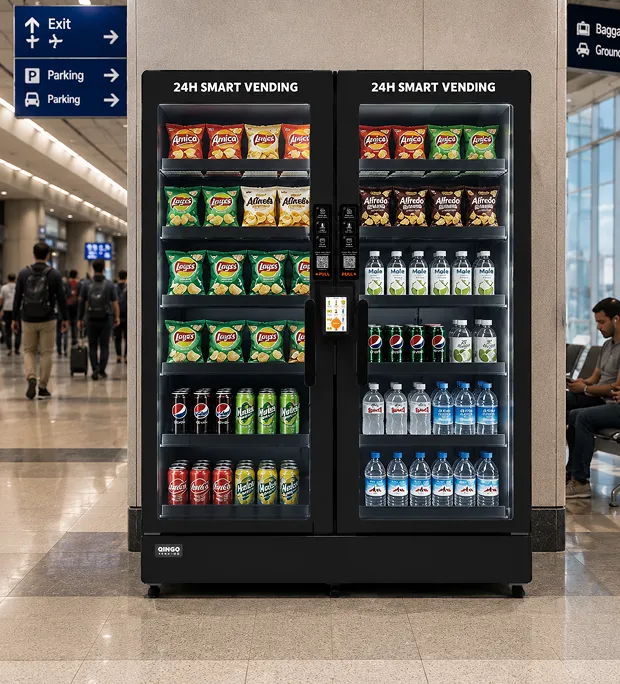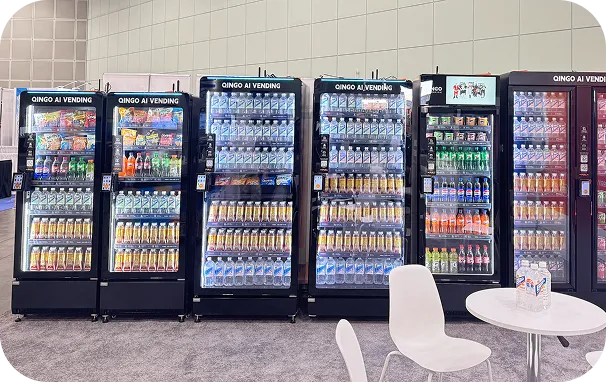
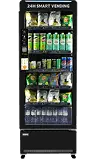
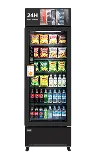
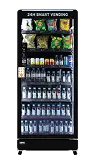
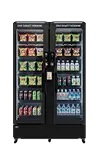
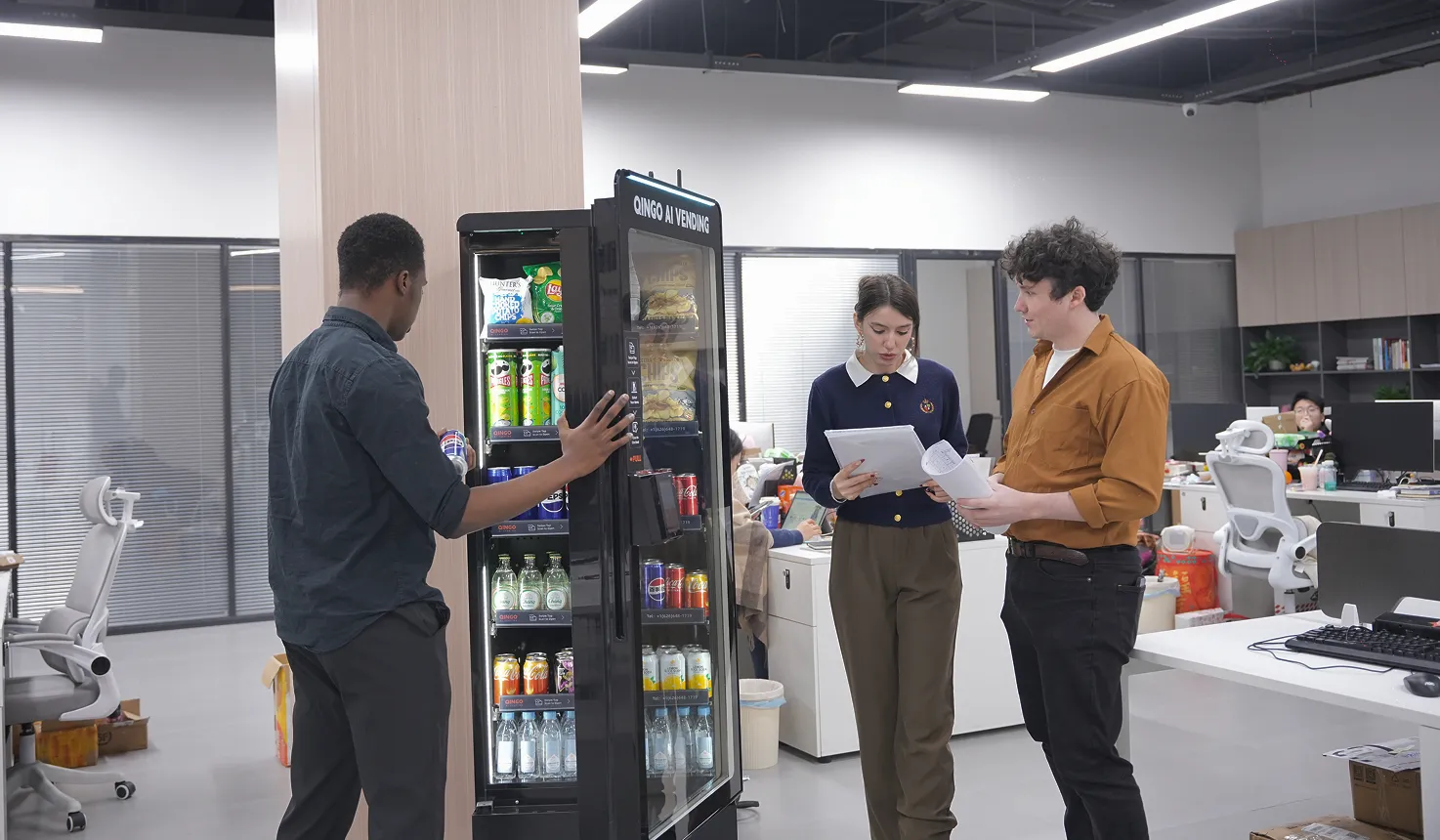
The modern professional environment requires more than standard desks and a coffee pot to keep teams engaged. Workplace amenities play a critical role in retaining top talent, maintaining daily productivity, and shaping corporate culture. Traditional office cafeterias are expensive to staff, while old-school coil snack machines often lead to frustration due to stuck products and limited payment options.
This shift has paved the way for the intelligent office vending machine, a solution that transforms a standard break room into a fully automated, accessible convenience hub. By integrating artificial intelligence, businesses and vending operators can provide frictionless experiences that keep workers energized while creating sustainable avenues for revenue.
Scenario Analysis: The Modern Office Environment
The corporate office presents a highly predictable and enclosed commercial ecosystem. Unlike public transit hubs or retail malls where foot traffic is transient, an office building houses a fixed demographic of employees who spend eight to nine hours a day in the same location.
- High Transaction Frequency: Employees take multiple breaks daily, leading to recurring transactions and predictable purchasing patterns.
- Controlled and Secure Environment: Access control is strict, drastically reducing the risk of machine vandalism or inventory theft.
- Space and Resource Limitations: Many businesses lack the square footage for a full-scale cafeteria or the budget to subsidize a staffed micro-market.
Because of these distinct spatial and operational characteristics, the office building vending machine scenario is highly lucrative. It offers operators a steady, loyal customer base and provides companies with an efficient way to feed their workforce without losing productive hours to off-site food runs.
Identifying Core User Needs in the Workplace
To succeed in an office setting, a smart retail solution must simultaneously address the demands of the end-user and the facility manager.
Employee Demands for Quality and Speed
Data indicates that modern workers increasingly prioritize nutritious meals over heavily processed snacks. They want access to salads, wraps, and high-protein options to sustain focus and avoid the afternoon energy crash.
Furthermore, a quick grab-and-go experience is essential; employees expect seamless, contactless payments via mobile wallets or corporate badges rather than carrying cash.
Operator and Facility Management Requirements
Facility managers and HR departments need reliable machines that operate smoothly without constant maintenance requests. A vending machine for office deployment must have a compact footprint, minimal operational overhead, and clear data visibility. Operators require real-time analytics to understand consumption trends, allowing them to optimize inventory and maximize profit margins.
Solution Matching: How the AI Vending Machine Fits
Traditional machines fall short of meeting modern workplace expectations because they are largely limited to non-perishable items and lack interactive data capabilities. AI-powered smart coolers and intelligent retail systems perfectly match the demands of this specific scenario.
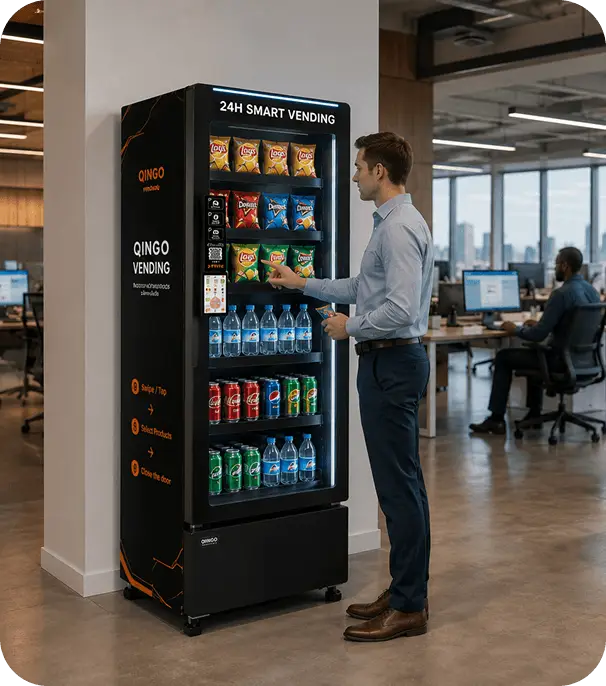
- Frictionless Grab-and-Go Technology: AI machines utilize advanced computer vision and weight sensors. An employee taps their payment method, opens the door, selects a fresh meal or beverage, and simply walks away. The system automatically bills their account, which virtually eliminates the frustration of jammed coils.
- Dynamic Inventory and Telemetry: Smart machines track purchases in real-time. Operators can leverage this data to identify top-performing SKUs, ensuring the vending machine for workplace environments is reliably stocked with crowd favorites and reducing spoilage of fresh items.
- Versatile Merchandising: Unlike spiral coils, open-shelf smart coolers can accommodate products of any size or shape. This allows operators to merchandise delicate yogurt parfaits next to large premium beverages, effectively fulfilling the demand for diverse, healthy options.
Deployment Considerations
Before installing an intelligent system, operators and business owners must evaluate several technical and logistical factors to ensure seamless integration:
- Location Strategy: Position the unit in high-traffic, highly visible areas such as primary break rooms, kitchenettes, or intersecting hallways.
- Network Connectivity: AI technology requires a stable cellular or Wi-Fi connection to process secure cashless payments and transmit real-time telemetry data to cloud servers.
- Power Supply: Ensure the designated space features reliable, dedicated electrical outlets capable of supporting commercial-grade refrigeration hardware continuously.
- Supply Chain Logistics: Establish a dependable localized supply chain for fresh food delivery to maintain product quality and adhere to expiration guidelines.
Maximizing Benefits: Employee Satisfaction and ROI
Deploying AI-driven automation delivers measurable, long-term value across the organization and for the operator.
Driving Employee Satisfaction and Morale
Providing on-site access to high-quality, convenient food makes staff feel valued. Industry studies indicate that organizations offering premium break room perks often experience higher employee retention rates and improved daily morale .
HR departments can further enhance this benefit by implementing subsidized pricing models, where the employer covers a portion of the snack costs directly through employee ID integrations, turning a simple convenience into a tangible workplace benefit.
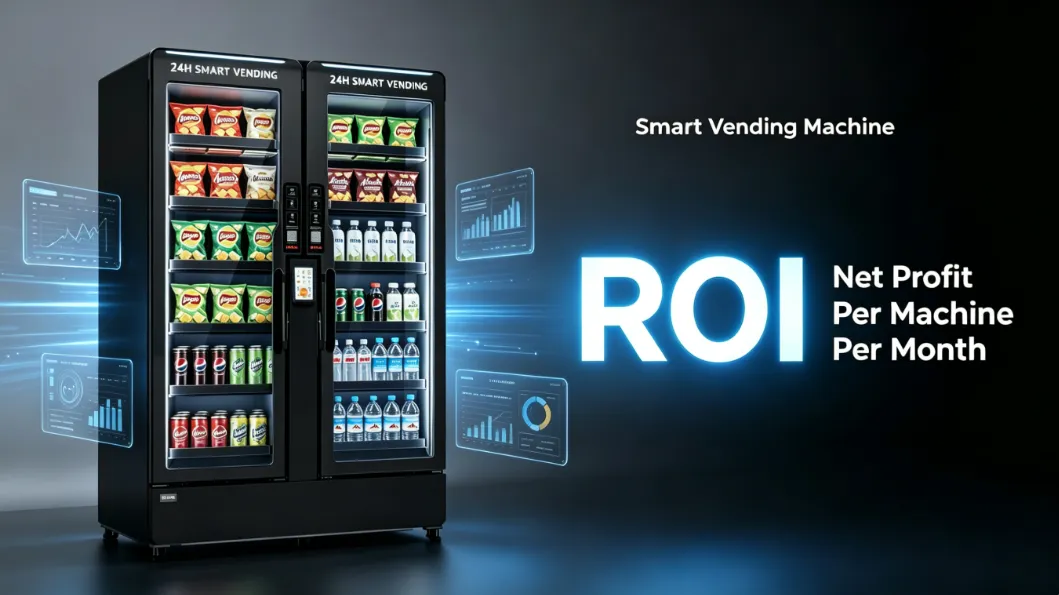
Generating Predictable Revenue and ROI
For operators, the AI model significantly enhances profitability. Open-door smart coolers naturally encourage multi-item purchases—such as grabbing a sandwich and a cold brew simultaneously—which raises the average order value.
Additionally, predictive analytics streamline delivery routes and reduce fresh food waste, actively lowering operational expenditures. The combination of higher sales volume, premium product pricing, and reduced labor overhead makes the AI vending machine a highly profitable investment.
FAQ
- What makes an AI office vending machine different from traditional models?
An AI vending machine uses advanced technologies like weight sensors and computer vision to allow frictionless grab-and-go purchasing. Instead of dealing with keypads and coils, users simply swipe a card, take what they want, and are automatically billed upon closing the door. - Can an office vending machine handle fresh food and meals?
Yes. AI smart coolers feature open commercial-grade refrigeration shelving, making them perfectly suited for delicate, fresh items like salads, sandwiches, fruit, and yogurt, alongside traditional beverages and snacks. - How does a vending machine for workplace environments improve productivity?
By providing on-site access to healthy meals and snacks, employees do not need to leave the building during their breaks. This saves time, keeps them energized, and helps prevent the midday productivity slump associated with poor nutrition. - What are the technical requirements for an office building vending machine?
The primary deployment requirements are a standard power outlet to run the refrigeration and system hardware continuously, and a reliable internet connection (Wi-Fi or cellular) to process cashless payments and sync inventory data to the cloud. - How can operators maximize ROI with smart vending machines?
Operators can increase ROI by utilizing the machine’s real-time data analytics to identify best-selling products, optimize restocking routes, and reduce food waste. Furthermore, the open-door frictionless experience naturally encourages customers to purchase multiple items at once, increasing the average transaction value.