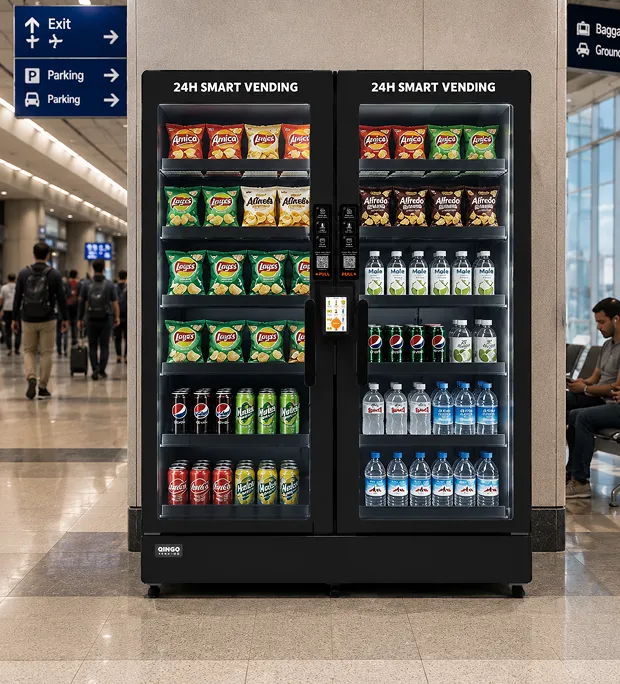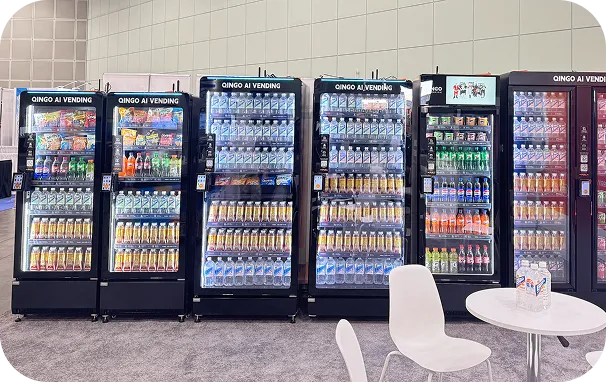
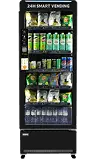
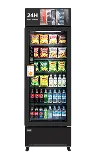
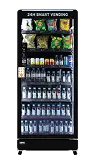
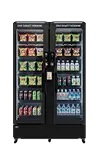
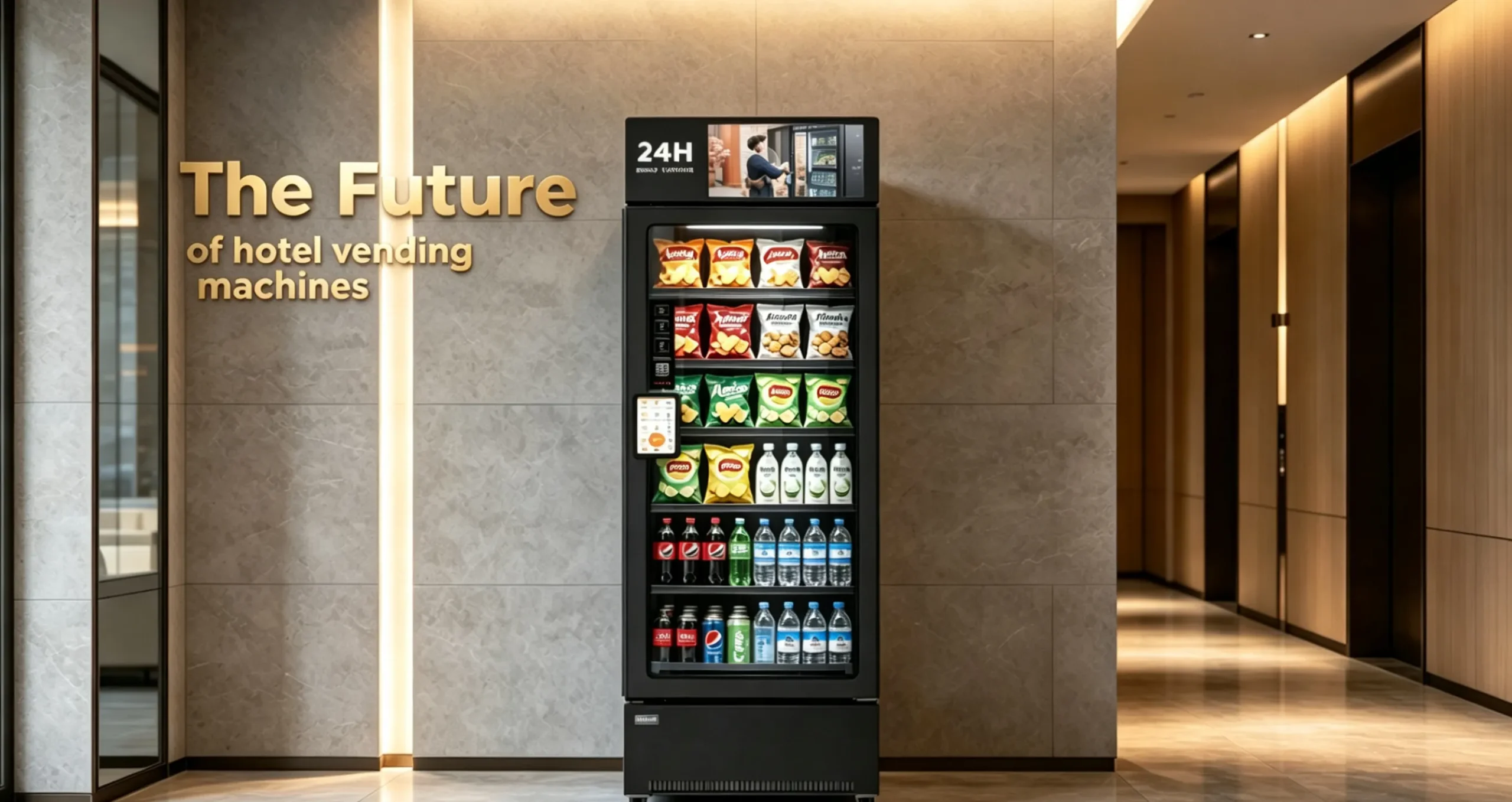
The hospitality industry is undergoing a structural shift. Facing persistent labor shortages and evolving guest expectations for instant, frictionless service, operators are fundamentally rethinking lobby and corridor retail. The future of hotel self-service retail is no longer defined by isolated snack dispensers; it is being rebuilt as an integrated, intelligent ecosystem.
Modern hotel vending machines serve as micro-fulfillment centers, leveraging artificial intelligence, autonomous robotics, and real-time data analytics. For entrepreneurs, vending operators, and hotel managers, understanding these market trends is essential for capturing new revenue streams and reducing operational overhead in the coming decade.
Market Overview: The Rise of Smart Hospitality Retail
Historically, guest retail was limited to expensive minibars, lobby gift shops with restricted hours, or traditional coin-operated machines. Today, automation has transformed these touchpoints into 24/7 profitable retail hubs.
The integration of advanced technologies—such as computer vision, IoT sensors, and seamless mobile payments—has elevated the functionality of hotel vending machines. These systems now accommodate everything from fresh meals and premium electronics to travel essentials and restricted goods, creating a localized retail environment that caters directly to the modern traveler.
Crucial Industry Data Driving Adoption
The transition toward automated retail in the hospitality sector is backed by compelling market data and operational realities:
- Labor Cost Pressures: According to industry reports, labor costs now consume approximately 33% of total hotel revenue, accelerating the need for automated solutions.
- Vending Demand: Hotels contributed approximately 18% of the fully automatic vending machines market demand, driven by the requirement for 24-hour guest services.
- Robotics Expansion: The hotel robotics market, which heavily intersects with automated retail, was valued at $0.76 billion in 2026 and is projected to reach $2.23 billion by 2030.
- Delivery Integration: The autonomous hotel delivery robots market is experiencing rapid expansion, projected to grow at a 17.2% CAGR to attain a value of $1,652.4 million by 2033.
Current Trends in Hotel Self-Service Retail
To remain competitive, operators are deploying advanced configurations that blend hardware reliability with software intelligence.
- AI Predictive Restocking: By analyzing historical purchasing data, seasonal trends, hotel occupancy rates, and even local weather forecasts, AI can predict exactly what products will be needed and when. This allows route operators to optimize their inventory management, reduce food waste in refrigerated machines, and increase overall profitability.
- Integration with Robot Delivery: Next-generation hotel vending machines are designed to communicate directly with autonomous delivery robots. When a guest orders a snack or travel adapter via the hotel’s mobile app, the system triggers the vending unit to dispense the item into the storage compartment of an awaiting robot, which then navigates the elevators and corridors to deliver the purchase directly to the guest’s room.
- Advanced Age Verification for Restricted Goods: Modern machines now incorporate biometric age verification and document scanning technologies. This allows hotels to securely retail age-restricted products 24/7 without requiring manual staff intervention or compromising security.
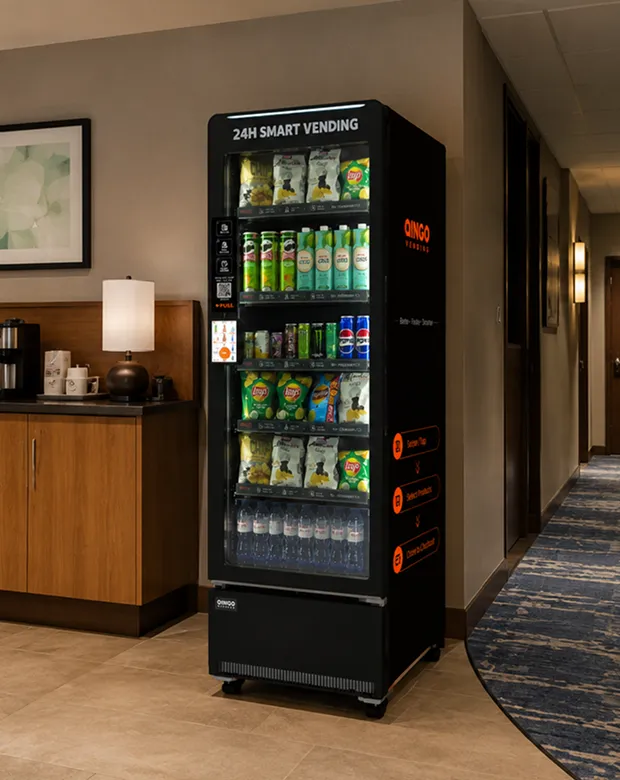
Market Drivers: Why Operators Are Upgrading
Several core drivers are accelerating the deployment of smart vending solutions in hospitality environments:
- Staffing Deficits: With high employee turnover and difficulties in staffing overnight shifts, automated retail ensures that guest needs are met seamlessly at 3:00 AM without requiring desk clerks to abandon their posts.
- Hyper-Personalization: Connected machines track purchasing habits through loyalty program integrations. If a business traveler frequently purchases a specific energy drink or tech accessory, the system can offer customized discounts via the hotel app or the machine’s interactive touchscreen.
- Space Monetization: Hotels are actively looking to maximize revenue per square foot. High-tech vending walls and micro markets require minimal real estate but yield high returns compared to underutilized lounge spaces.
The Future Outlook: Data Monetization
While hardware sales and product margins represent the immediate business opportunity, the long-term value lies in data monetization. Hotel vending machines equipped with high-definition digital displays are evolving into retail media networks.
Operators can monetize screen time by selling advertising space to local businesses, ride-share companies, or event promoters. Furthermore, the anonymized consumer data collected—detailing exactly what business travelers or vacationing families buy at specific times—is highly valuable to FMCG (Fast-Moving Consumer Goods) brands looking to test new products or optimize their packaging.
The blueprint for the future of hotel self-service retail is clear: it is interconnected, autonomous, and data-driven. Operators who invest in AI-powered inventory systems, robotic integrations, and smart hardware today will secure a decisive competitive advantage in the hospitality market of tomorrow.
FAQ
1. How do AI hotel vending machines improve profitability?
AI improves profitability by optimizing inventory management through predictive restocking. By forecasting exactly what products will sell based on hotel occupancy and historical data, operators can eliminate out-of-stock scenarios, reduce food waste, and minimize unnecessary maintenance trips.
2. Can hotel vending machines integrate with delivery robots?
Yes. Modern automated retail systems are being designed with API integrations that allow them to communicate with autonomous hotel delivery robots. The vending machine acts as a micro-fulfillment center, dispensing items directly to the robot for room-to-room delivery.
3. What types of products do smart hotel vending machines sell?
Beyond traditional snacks and beverages, smart machines are equipped to sell fresh meals, premium electronics, travel essentials, health and wellness products, and, using biometric verification, age-restricted items like alcoholic beverages.
4. How does data monetization work in hotel self-service retail?
Operators can generate additional revenue by utilizing the digital touchscreens on vending machines to run targeted advertisements for local attractions or services. Additionally, the purchasing data gathered can be leveraged to negotiate better placement fees and promotions with consumer brands.
5. Are smart vending machines cost-effective for boutique hotels?
Yes. While the initial hardware investment is higher than traditional machines, smart vending systems reduce the need for manual lobby shop staffing, operate 24/7, and offer high-margin products, allowing boutique hotels to achieve a rapid return on investment (ROI) while elevating the guest experience.
Reference Sources
Market Research Reports. (2026). Fully Automatic Vending Machines Market Size & Growth, 2035.
Dataintelo. (2025). Age Verification For Vending In Hotels Market Research Report 2033.
Näpänkangas, E. (2026). Hotel Robots: Integrating Automation in Hospitality. EHL Insights.
Dataintelo. (2025). Autonomous Hotel Delivery Robots Market Research Report 2033.