The hospitality sector operates around the clock, creating a continuous demand for guest convenience. For entrepreneurs and operators, becoming a hotel vending distributor represents a scalable opportunity to generate high-margin revenue without the heavy overhead of traditional retail. Success in this sector requires more than simply dropping a machine in a lobby; it involves strategic market positioning, creating localized service barriers, and deploying smart technology to optimize operations.
This guide explores the business model, revenue potential, and operational strategies required to build a profitable hotel vending distribution network.
The Business Opportunity in Hotel Environments
Hotels offer a unique deployment scenario with distinct advantages over public retail spaces or corporate offices. Understanding these environmental benefits is crucial for pitching your distribution services to hotel management:
- 24/7 Guest Demand: Travelers frequently require refreshments, late-night snacks, and travel essentials outside of standard restaurant hours, requiring unattended 24/7 operation.
- Emergency Purchases: Guests often forget daily necessities or personal care products, creating a high-intent buying environment where price sensitivity is low.
- Premium Spending Behavior: Visitors prioritize immediate convenience over price comparison, allowing operators to maintain higher retail markups.
- High Guest Turnover: A steady flow of new customers ensures continuous sales and prevents the product fatigue often seen in static environments like offices.
Structuring Your Profit Model
A successful hotel vending distributor can leverage multiple revenue streams depending on their capital and operational capacity:
- Direct Operation (Revenue Share): The distributor owns the machines, manages inventory, and shares a percentage of gross sales (typically 10-15%) with the hotel property. This yields the highest long-term profit and gives the distributor full control over the consumer experience.
- Hardware Sales & Leasing: Selling machines directly to hotel management groups or independent local operators with a markup. This provides immediate cash flow with lower ongoing labor costs.
- SaaS & Maintenance Fees: Charging operators a recurring fee for AI analytics software access, payment gateway management, and routine machine maintenance.
Cost Factors and ROI Analysis
Understanding the capital requirements is essential for assessing investment viability and projecting payback periods.
Core Cost Components:
- Capital Expenditure (CapEx): Purchasing AI vending machines, initial delivery logistics, and installation.
- Operational Expenditure (OpEx): Inventory sourcing, restocking labor, software subscriptions, and credit card transaction fees.
Realistic ROI Projection:
Deploying an advanced AI vending machine in a mid-sized hotel can yield attractive payback periods. Based on industry performance data for smart solutions:
- Daily Foot Traffic: 100 guests
- Purchase Conversion Rate: 7%
- Average Transaction Value: $9.00
- Average Gross Margin: 50%
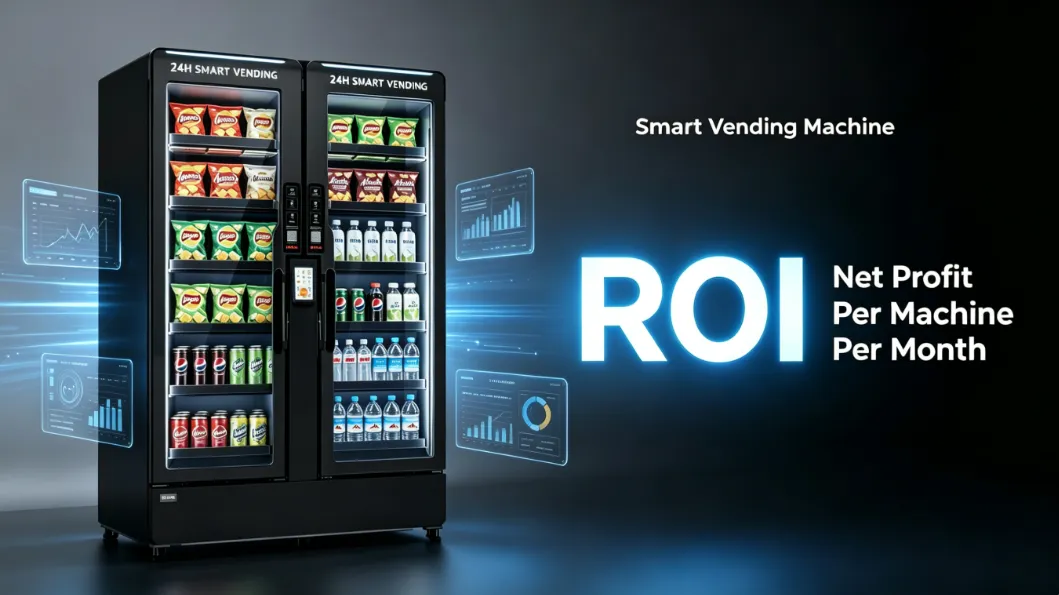
Under these operational conditions, a single machine can generate over $940 in monthly profit. This performance allows distributors to recoup their initial equipment investment within just 4 to 6 months, making it a highly scalable business model.(Visit https://qingo.com/solutions/hotel/ for Payback Calculator)
Building a Localized Service Barrier
To protect your market share from competing operators, a distributor must establish strong competitive moats that make it difficult for hotels to switch providers.
1. Co-Branding and Customization (OEM/ODM)
Hotels highly value aesthetics and brand consistency. Distributors who offer machines with custom branding, specific colors, and tailored exterior designs integrate seamlessly into the hotel’s premium environment. Partnering with a manufacturer that provides extensive OEM and ODM services allows you to offer exclusive visual identities for major hotel chains.
2. Data-Driven Inventory Management
Utilizing AI Business Analytics helps you turn raw transaction data into better business decisions. By tracking which products sell fastest in specific hotel tiers (e.g., luxury business hotels vs. budget family resorts), you can optimize planograms, reduce inventory waste, and increase the average transaction value.
3. Unattended 24/7 Reliability
Machine downtime destroys profitability and damages your reputation with hotel partners. Deploying machines equipped with AI Vision Recognition ensures fast, accurate product recognition and frictionless checkout. Furthermore, remote monitoring software reduces physical maintenance visits, lowering operational costs and demonstrating reliability.
Selecting the Right Equipment for Hotels
The physical footprint and operational capabilities of the machine dictate its success in a hospitality setting. The ideal equipment should offer wide product compatibility to dispense both fragile items (like glass skincare bottles or electronics) and heavy beverages simultaneously.
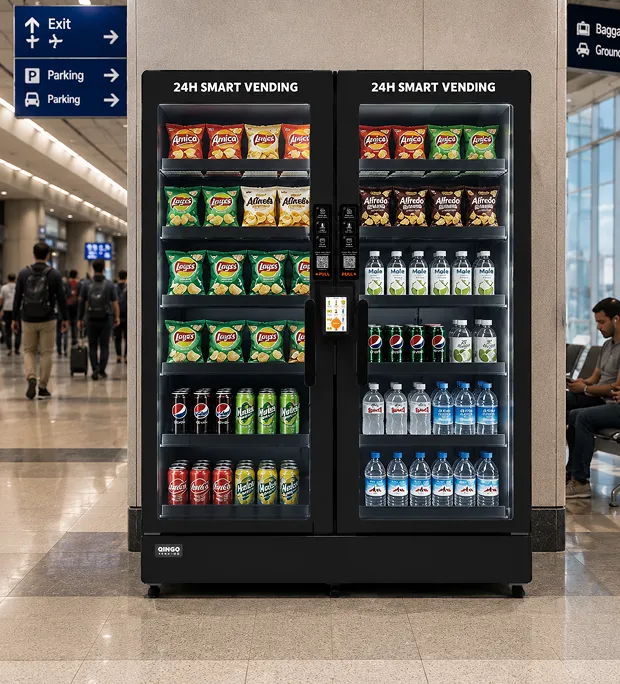
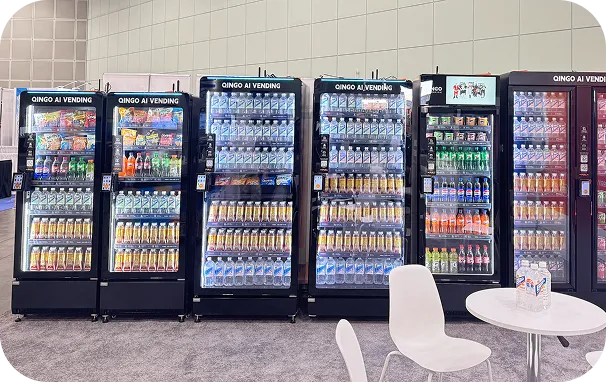
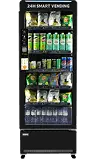
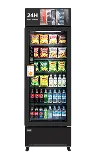
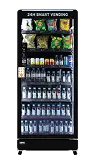
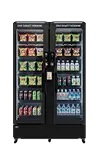
For instance, models like the Qingo King 509 are highly recommended for hotel deployments because they balance high capacity with a compact footprint, perfectly matching the traffic volume and spatial constraints of hotel lobbies and hallways. Choosing smart systems with easy deployment characteristics reduces upfront investment risk while maximizing the utility for guests.
Conclusion
Becoming a dominant hotel vending distributor requires shifting your focus from simply selling snacks to providing a comprehensive, automated retail solution. By understanding the unique purchasing behavior of hotel guests, structuring a sustainable profit model, and leveraging AI-powered hardware, distributors can secure lucrative, long-term contracts and achieve rapid ROI.
FAQ
What is the average profit margin for a hotel vending machine?
The gross profit margin for a well-managed hotel vending machine typically ranges from 40% to 70%, depending on the product mix. Non-food items like travel adapters and personal care products generally yield higher margins than standard beverages.
How do I negotiate revenue sharing with hotel management?
Focus on the value you provide, such as removing the labor burden from their front desk staff and enhancing guest satisfaction. Offer a tiered commission structure where the hotel receives a percentage of gross sales (usually 10% to 15%) once a specific monthly revenue threshold is met.
What products sell best in hotel vending machines?
Sales data indicates a high demand for premium beverages, late-night snacks, over-the-counter health remedies, phone chargers, and travel-sized personal care items. Fast-moving consumer goods tailored to emergency purchases perform best.
How does AI improve the ROI for a hotel vending distributor?
AI improves ROI by reducing operational friction and enabling smarter inventory management. Features like AI Vision Recognition ensure accurate billing, while AI Business Analytics allow operators to optimize stock levels and reduce the labor costs associated with unnecessary restocking trips.
Can I customize vending machines with my own brand?
Yes, partnering with manufacturers that offer OEM and ODM solutions allows distributors to build their own vending brand. You can customize the exterior logos, colors, and even the software interface to match local market requirements or a specific hotel’s aesthetic.