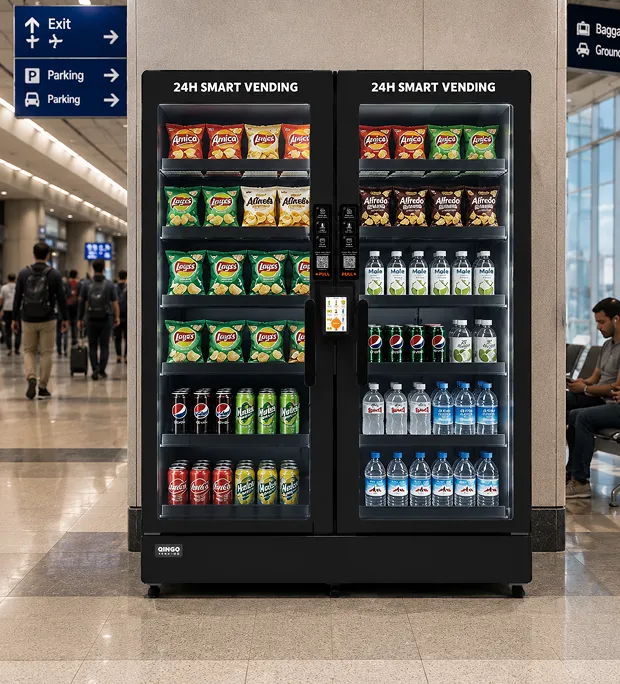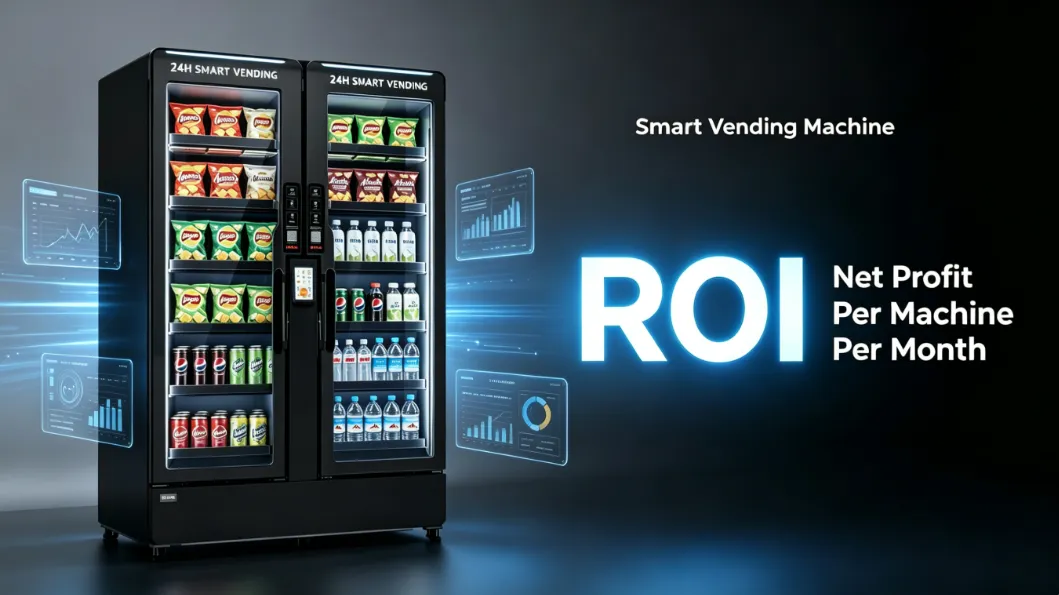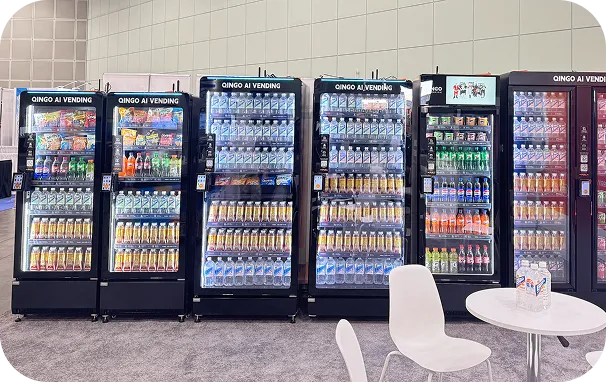
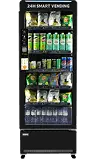
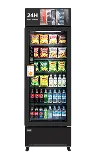
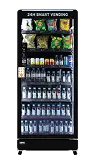
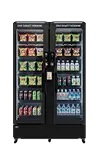
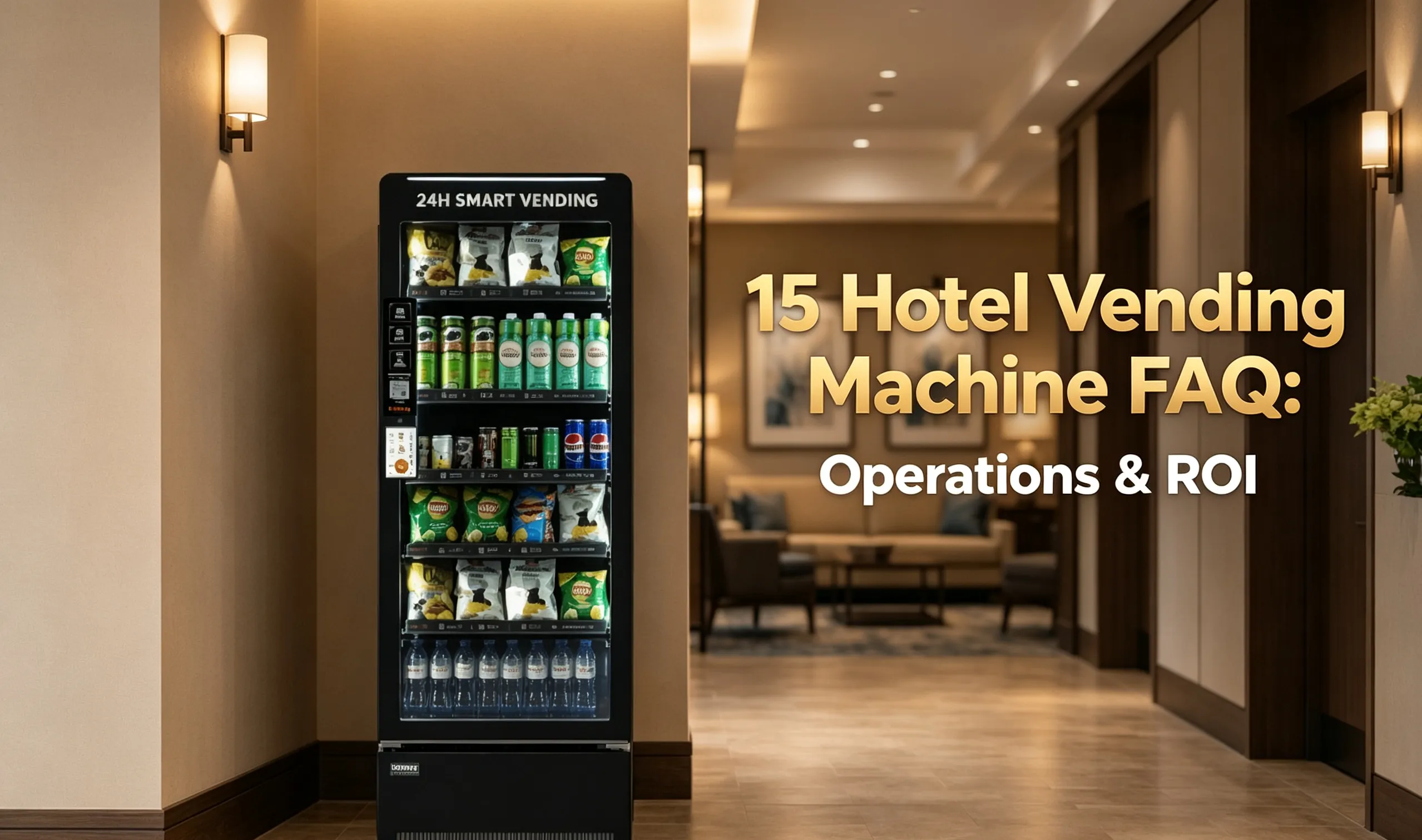
Adding automated retail solutions to a hospitality environment is a proven way to enhance guest satisfaction while generating passive income. For business owners, distributors, and hotel operators, understanding the operational logistics, costs, and hardware requirements is critical before making an investment.
To help you navigate this business opportunity, we have compiled the most comprehensive hotel vending machine faq, covering everything from basic installations to profitability and daily operations.
1. Do all hotels have vending machines?
No, not all hotels feature traditional vending equipment, but they are a standard amenity in economy, mid-scale, and limited-service properties. While luxury resorts historically relied on in-room minibars, the trend is shifting. Today, high-end hotels are increasingly adopting smart vending machines and automated retail boutiques designed to blend seamlessly with premium lobbies.
2. Are vending machines in hotels safe?
Yes, modern commercial vending machines are highly secure. They are built with shatter-proof, anti-vandalism glass and reinforced steel cabinets. Furthermore, the widespread adoption of cashless payment systems has minimized the risk of cash theft. Placing these machines in well-lit, CCTV-monitored areas like hotel lobbies or dedicated ice machine rooms further ensures the safety of both the equipment and the guests using them.
3. Is it profitable to put a vending machine in a hotel?
Yes, operating vending equipment in a hotel can be highly profitable. Hotels offer a “captive audience” with 24/7 demand for convenience, especially late at night when local stores are closed. Profitability depends on the hotel’s occupancy rate, foot traffic, and the product mix. Gross profit margins for snacks and travel essentials typically range from 40% to over 100%.
4. What are the best items to sell in a hotel vending machine?
To maximize revenue, operators should stock a mix of immediate-consumption items and emergency supplies. Highly profitable categories include:
- Beverages: Bottled water, energy drinks, and sodas.
- Snacks: Chips, protein bars, and chocolates.
- Travel Essentials: Phone chargers, travel adaptors, earplugs, and toiletries.
- Healthy Options: Kombucha, fresh sandwiches, and salads (using smart fridges).
5. Where is the best place to install a vending machine in a hotel?
Location directly dictates sales volume. The most effective placement locations inside a hotel include:
- The main lobby or reception area.
- Next to guest elevators on the ground floor.
- Inside dedicated vending and ice machine rooms on guest floors.
- Near the hotel gym, pool, or fitness center.
6. What payment methods should hotel vending machines accept?
Cashless payment capability is mandatory for modern hospitality environments. Machines must be equipped with card readers that accept major credit and debit cards, as well as mobile wallets like Apple Pay and Google Pay. Advanced systems can also integrate with the hotel’s property management system (PMS) to allow guests to charge purchases directly to their room keys via RFID.
7. How often do hotel vending machines need to be restocked?
Restocking frequency depends entirely on sales velocity, but typically averages once every one to two weeks. Modern machines utilize cloud-based telemetry software, allowing operators to track real-time inventory remotely. This data-driven approach eliminates unnecessary site visits and ensures high-demand items are replenished before they run out.
8. How much does a commercial hotel vending machine cost?
Capital investment varies based on machine size, configuration, and technology.
- Standard combo machines (snacks/drinks): $3,000 to $5,000.
- Elevator-style machines (for fragile items like electronics): $4,000 to $7,000.
- Smart fridges and AI-powered retail kiosks: $6,000 to $10,000+.
9. How much space is required for installation?
A standard freestanding vending machine typically requires an area roughly 36 to 40 inches wide, 30 to 35 inches deep, and 72 inches high. Operators must also leave a 4-to-6-inch clearance gap between the back of the machine and the wall to ensure proper compressor ventilation and prevent overheating.
10. Do hotel vending machines consume a lot of electricity?
Modern equipment is designed to be highly energy-efficient. Machines featuring Energy Star certifications utilize LED lighting, high-efficiency insulation, and smart power management systems that power down the compressor during low-traffic hours. On average, a standard refrigerated unit consumes about 7 to 14 kWh per day.
11. Can I manage and monitor the machine remotely?
Yes. Modern vending technology is heavily software-driven. Through a backend management dashboard, operators can remotely monitor stock levels, adjust digital pricing, track real-time revenue, and receive instant diagnostic alerts if a machine experiences a hardware failure or temperature drop.
12. Can the machine’s design match the hotel’s branding?
Absolutely. Hotels often require equipment that matches their interior aesthetics. Vending machines can be customized with bespoke vinyl wraps featuring the hotel’s logo and colors. Additionally, machines with large digital touchscreen interfaces can display custom promotional videos or hotel branding when not in use.
13. Can hotel vending machines sell age-restricted items like alcohol?
Yes, but it requires specific technological add-ons and adherence to local laws. Smart vending systems can be integrated with secure ID scanners or biometric verification software to confirm a guest’s age before dispensing alcoholic beverages, CBD products, or tobacco.
14. What happens if the machine breaks down or fails to drop an item?
Guest experience is a top priority in hospitality. To prevent frustration, high-quality machines are equipped with guaranteed delivery technology (drop sensors). If a purchased item gets stuck and fails to pass the sensor beam, the machine will automatically attempt to spin the coil again or instantly refund the transaction to the customer’s card.
15. Should a hotel buy the machine outright or partner with an operator?
This depends on the hotel’s operational bandwidth.
- Buying outright: Ideal for hotels that want 100% of the profits and total control over the product mix and pricing. The hotel’s staff handles restocking and maintenance.
- Partnering with an operator: Ideal for hotels wanting a hands-off, zero-hassle amenity. A local vending operator provides the machine, handles all maintenance and restocking, and pays the hotel a predetermined percentage of the monthly revenue.
By understanding the hardware, software, and operational models detailed above, hoteliers and vending operators can deploy automated retail solutions that maximize ROI while providing seamless, 24-hour service to guests.