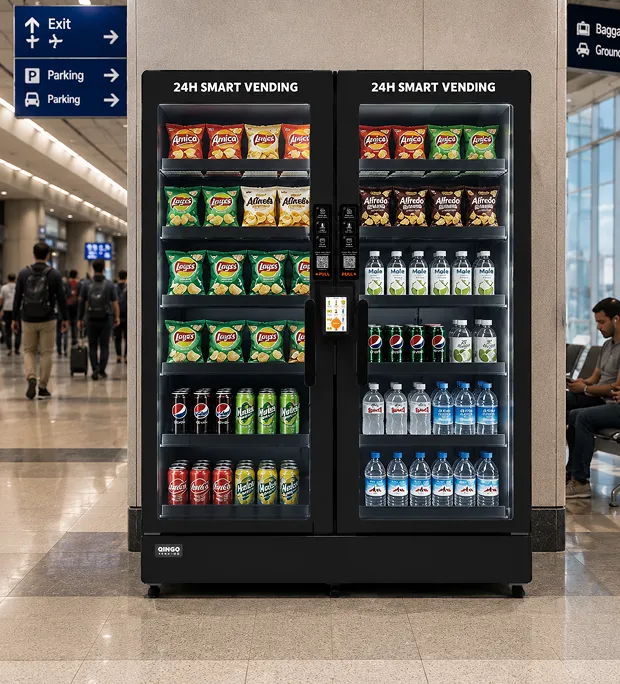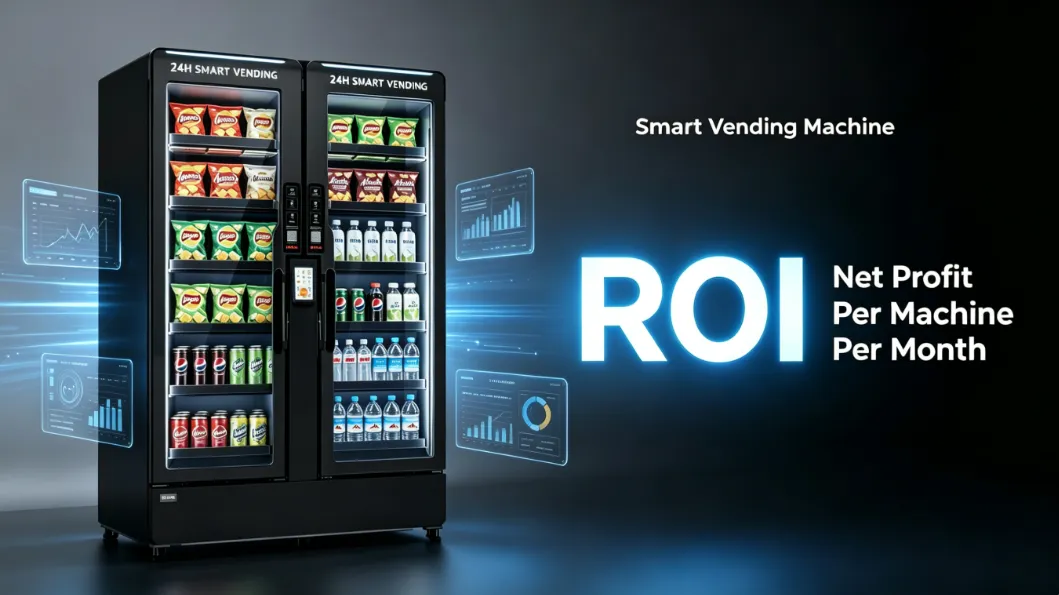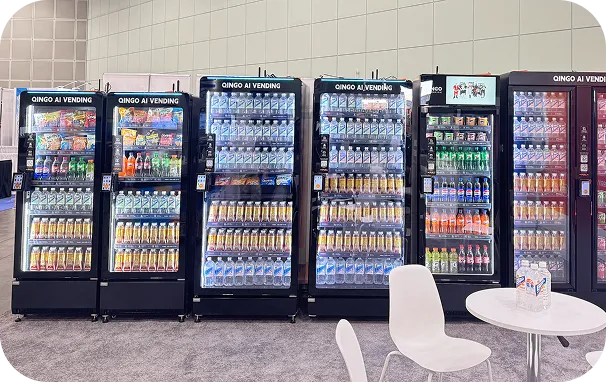
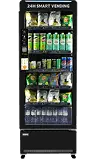
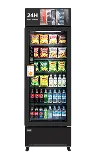
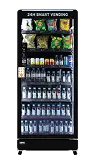
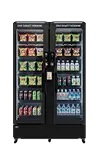
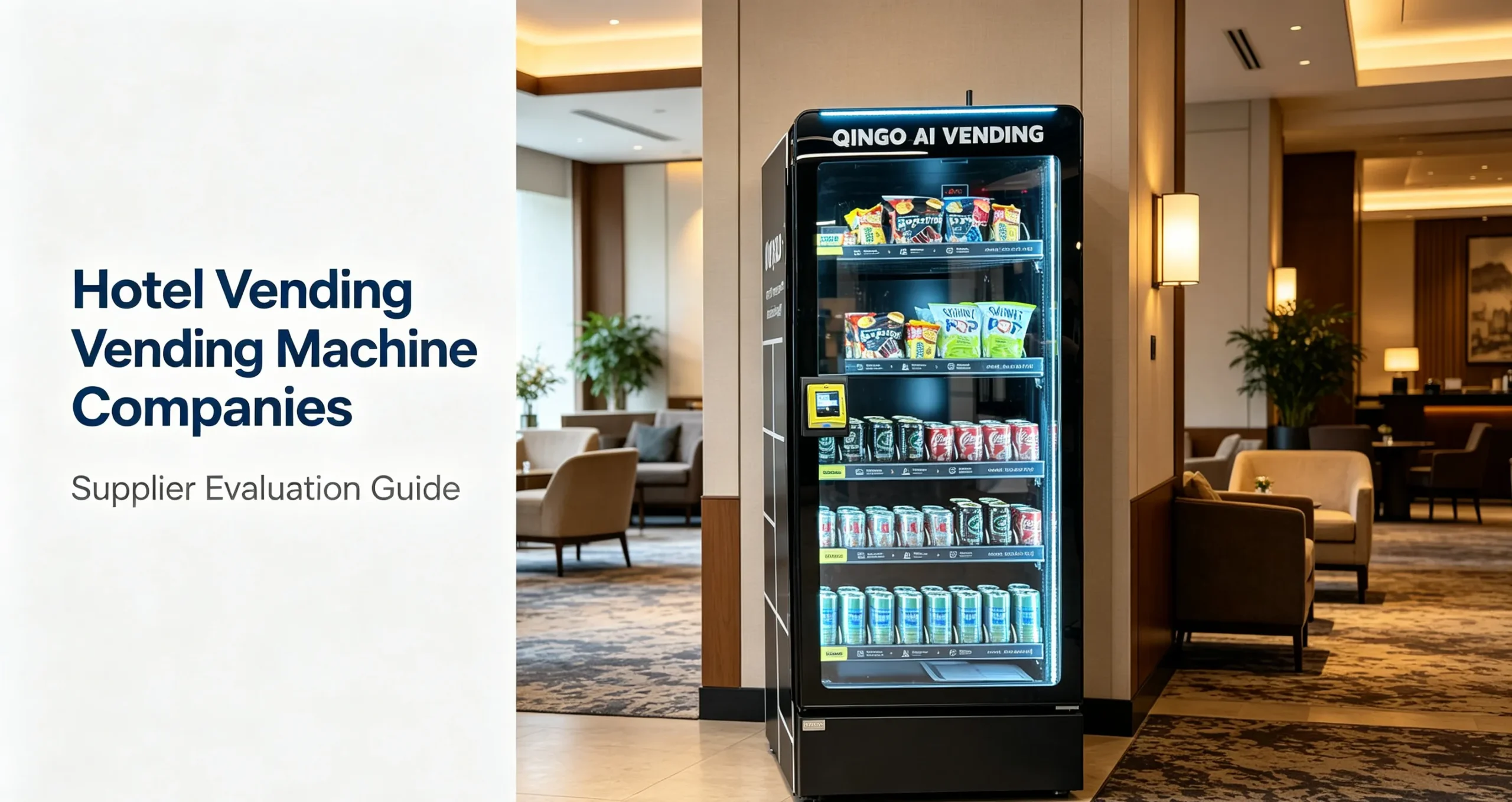
The hospitality industry is rapidly shifting toward automated retail to combat rising labor costs while meeting modern guest expectations. For hotel owners, asset managers, and operators, a smart vending machine is no longer just a snack dispenser; it is a high-margin ancillary revenue channel that operates 24/7 without staffing requirements.
However, realizing this revenue potential depends entirely on the hardware and software solutions you choose. Evaluating hotel vending machine companies requires a strategic approach that goes beyond upfront pricing. To maximize Return on Investment (ROI) and protect the guest experience, operators must assess potential manufacturing partners based on industry experience, service capacity, customization capabilities, and flexible business models.
The Business Opportunity in Hospitality Vending
Before evaluating suppliers, it is vital to understand the business logic behind hotel automated retail. Guests arrive at all hours, and traditional hotel retail channels—such as restaurants or gift shops—often close by 10 PM. When a late-arriving traveler needs a phone charger, travel adapter, or midnight snack, they demonstrate a high willingness to pay convenience pricing.
By deploying smart vending solutions in lobbies or corridors, hotels capture this immediate demand. The business model offers compelling advantages:
- Zero Labor Costs: No cashiers or inventory staff required for daily sales.
- High Profit Margins: Travel essentials and premium late-night food items command higher retail prices.
- Reduced Operational Friction: Replacing manually tracked, expensive room minibars with centralized, automated lobby retail.
4 Key Factors to Evaluate Hotel Vending Machine Companies
When reviewing potential manufacturing partners and suppliers, utilize the following criteria to ensure long-term commercial success.
1. Industry Experience and Deployment Scale
A hotel environment presents unique challenges that standard vending operators often overlook. The machines must operate quietly, fit seamlessly into specific architectural constraints (like narrow guest corridors), and maintain a premium aesthetic.
When evaluating suppliers, prioritize manufacturers that demonstrate clear hospitality experience. Look for companies that have a track record of large-scale, global deployment. A supplier with an integrated manufacturing facility and substantial annual production capacity is generally better equipped to ensure consistent quality control and reliable delivery timelines for multi-property hotel chains.
2. Service Capacity and Technical Support
In automated retail, machine downtime directly equates to lost revenue. Hardware is only half of the equation; the backend management software is what actually drives operational efficiency.
Evaluate the supplier’s technical infrastructure based on:
- AI-Powered Analytics: Does the software provide real-time inventory tracking to prevent out-of-stock scenarios?
- Remote Management: Can operators adjust pricing, run diagnostics, and monitor machine health remotely?
- Localized Support: For global hotel brands, ensure the manufacturer has a global presence—spanning North America, Europe, and Asia—to provide localized technical support and replacement parts.
3. Customization Level and Hardware Flexibility
A rusty, standard metal box will detract from a premium hotel lobby. Hotel vending machine companies must offer deep customization to align with the property’s branding and the specific needs of the guests.
Leading AI vending machine manufacturers offer advanced customization, including:
- Aesthetic Branding: Full exterior wraps and UI screen customization to match the hotel’s interior design.
- Flexible Configurations: The ability to dispense non-standard items. Traditional coil machines struggle with heavy electronics, fragile cosmetics, or uniquely shaped souvenirs. Modern AI-vision and robotic dispensing systems allow hotels to sell a much broader, higher-margin product mix.
- OEM/ODM Capabilities: Large hospitality groups or national distributors should look for manufacturers capable of OEM (Original Equipment Manufacturer) and ODM (Original Design Manufacturer) partnerships to build proprietary smart retail brands.
4. Flexible Cooperation Models
Different hotels have different financial structures. The right supplier should offer business models that align with your CapEx (Capital Expenditure) budgets and operational preferences. Common models include:
- Outright Purchase: The hotel buys the hardware and software outright. This requires higher CapEx but yields the highest long-term ROI, as the hotel keeps 100% of the retail profits.
- Leasing/SaaS Model: Spreads the cost of the machine and AI software over time, lowering the barrier to entry and preserving cash flow.
- Distributor Partnerships: For operators looking to scale across multiple local hotels, partnering with a primary manufacturer that provides wholesale pricing and comprehensive supply chain support is essential.
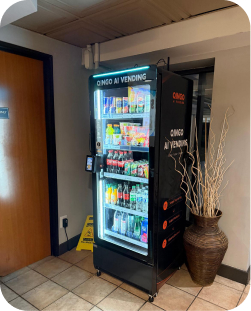
Revenue Factors and ROI Analysis
Understanding the return on investment involves analyzing both the revenue drivers and the total cost of ownership.
Revenue Factors:
Hotel vending revenue is largely driven by occupancy rates, location within the property, and product mix. A property with frequent late-night arrivals and limited overnight food service typically sees stronger demand. High-margin items like electronics, premium personal care items, and health products can significantly boost average transaction values compared to standard snacks.
Cost Factors:
- Acquisition Cost: The initial price of the smart machine.
- Software Fees: Monthly or annual SaaS fees for the backend management system and AI vision processing.
- Operational Costs: Cost of Goods Sold (COGS), restocking labor, and routine maintenance.
ROI Expectation:
While performance varies by location, properly placed and well-managed smart retail units in high-occupancy hotels often see a payback period ranging from 4 to 8 months. Choosing a supplier with stable technology and low maintenance requirements is the most effective way to shorten this payback period and accelerate profitability.
Conclusion
Choosing between hotel vending machine companies is not just a hardware purchasing decision; it is a strategic partnership. By prioritizing suppliers with deep industry experience, robust AI software, extensive customization options, and scalable manufacturing capabilities, hotel operators can successfully turn unused floor space into a highly profitable, automated retail channel.
FAQ
1. How much revenue can a hotel vending machine generate?
Revenue depends on hotel occupancy, guest demographics, and product mix. Properties with high foot traffic, late-night arrivals, and limited 24-hour food options tend to generate higher daily sales, especially when stocking high-margin items like electronics and premium travel essentials.
2. What products yield the highest ROI in hotel vending machines?
While water and snacks have high turnover, the highest ROI typically comes from travel adapters, phone chargers, personal care items (like toothpaste and sunscreen), and over-the-counter health products. These items command convenience pricing and fulfill immediate guest needs.
3. Do hotel vending machine companies offer revenue-sharing models?
Many local operators offer revenue-sharing models where they place the machine for free and give the hotel a percentage of sales. However, hotels purchasing machines directly from manufacturers often retain 100% of the profits, resulting in higher long-term ROI despite the initial capital expenditure.
4. How does AI technology improve hotel vending ROI?
AI technology, such as computer vision and smart analytics, eliminates the mechanical failures common in traditional coil machines. It also provides real-time inventory data, preventing lost sales from out-of-stock items and reducing the labor costs associated with unnecessary restocking trips.
5. What is the typical payback period for a smart hotel vending machine?
Depending on the initial hardware cost, product margins, and hotel occupancy rates, the typical payback period for a smart vending machine in a hospitality setting generally ranges from 4 to 8 months.