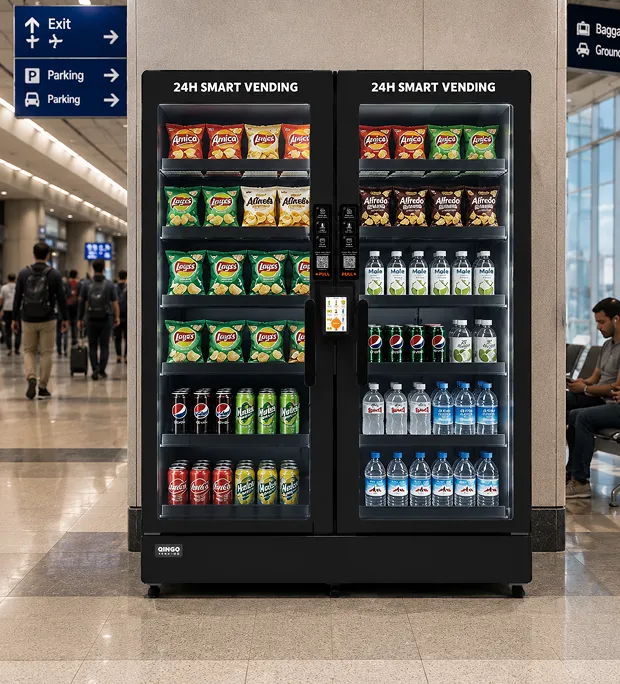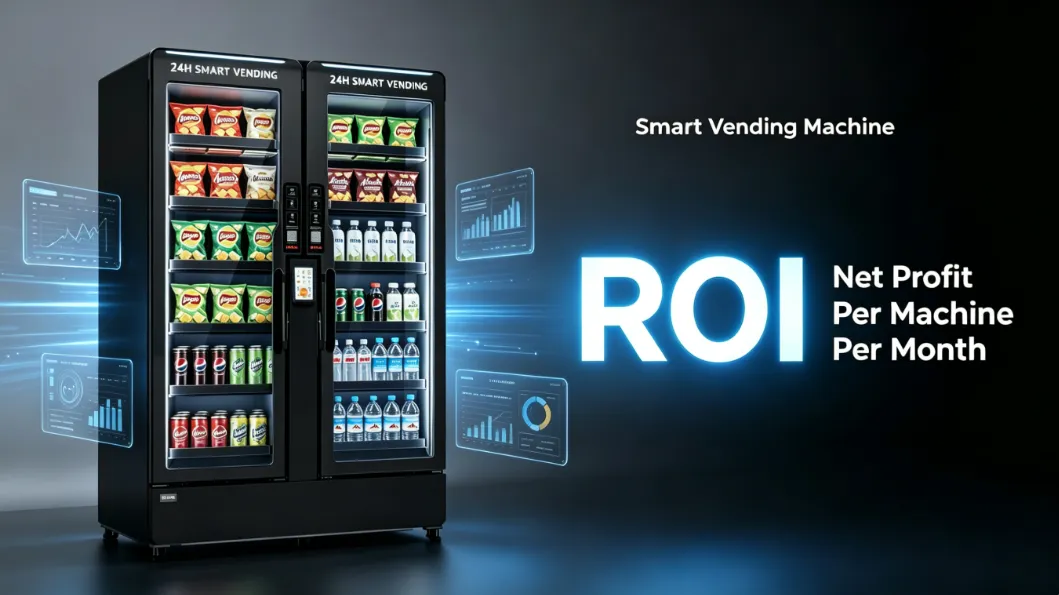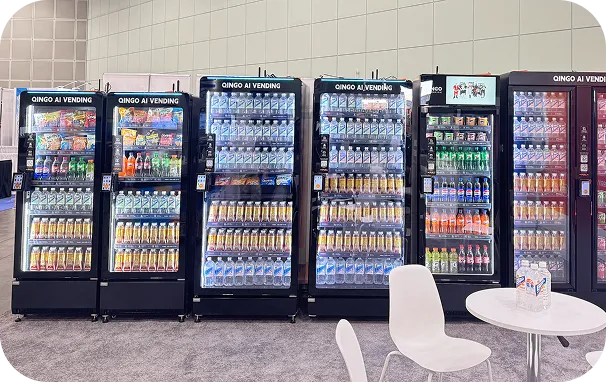
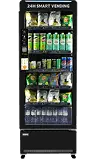
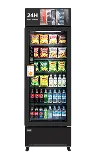
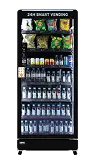
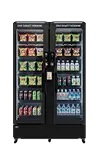
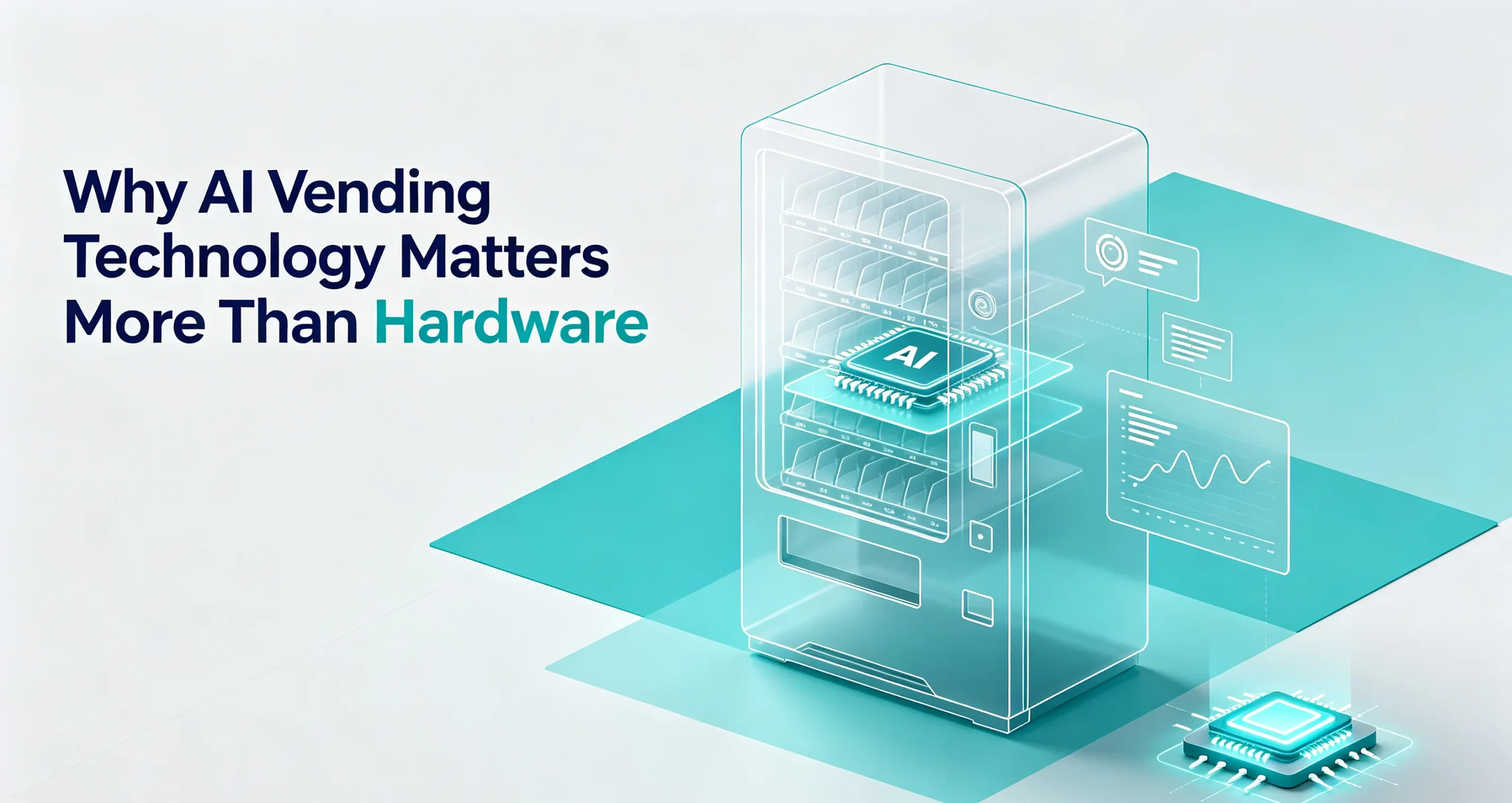
The global vending industry is undergoing a radical transformation. For decades, the “vending machine” was viewed primarily as a piece of hardware—a refrigerated metal box with a mechanical coil system. However, as the market shifts toward unattended retail, the focus has moved from the physical machine to the intelligence powering it.
In the modern landscape, AI vending technology is the true differentiator. While hardware provides the physical presence, it is the integration of software and Artificial Intelligence that determines the profitability, scalability, and longevity of a vending business.
Understanding AI Vending Technology: More Than a Digital Screen
At its core, AI vending technology refers to the cohesive ecosystem of computer vision, machine learning, and cloud-based management software. Unlike traditional machines that rely on mechanical triggers, AI-powered systems (like those developed by Qingo) use sensors and cameras to “see” and “understand” consumer behavior in real-time.
This shift represents a move from Passive Vending (waiting for a sale) to Proactive Retail (optimizing for every transaction).
The Triad of Success: Hardware + Software + AI
When evaluating an investment in automated retail, looking at the price tag of the hardware alone is a common pitfall. The real value lies in how three specific components work together:
1. The Hardware (The Body)
High-quality hardware ensures reliability, temperature control, and physical security. It is the foundation, but without a brain, it is merely a static asset with high maintenance potential.
2. The Software (The Nervous System)
Software handles the “how” of the operation. This includes remote monitoring, payment processing, and inventory alerts. Robust software ensures that an operator can manage 100 machines as easily as they manage five.
3. The AI (The Brain)
The AI layer is where the competitive advantage is born. Through computer vision and data analytics, AI minimizes “shrinkage” (theft), enables “grab-and-go” frictionless payments, and analyzes purchasing patterns to suggest the optimal product mix for specific locations.
Why Software and AI Dictate Your ROI
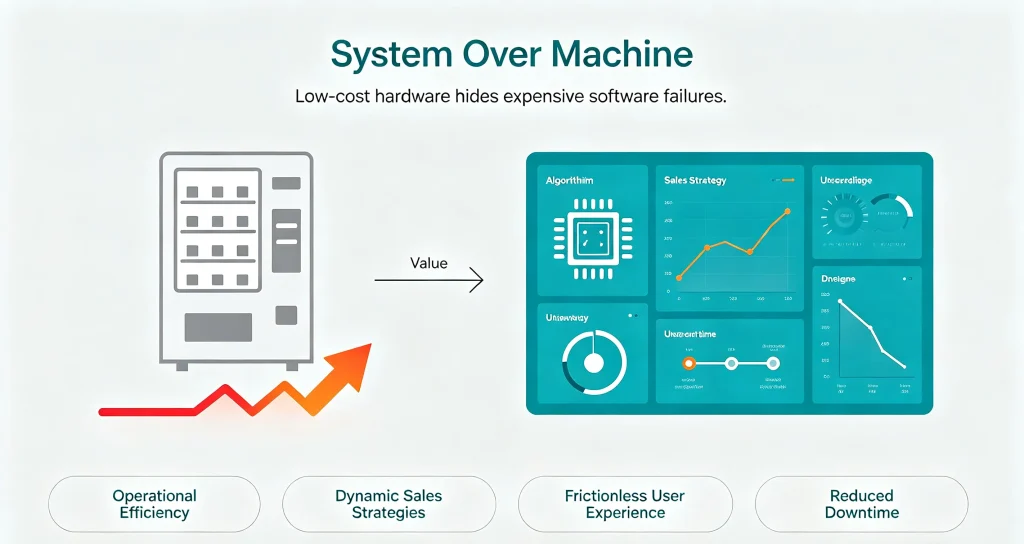
Many operators choose low-cost hardware only to find that the hidden costs of poor software erode their margins. Here is why the system matters more than the machine:
- Operational Efficiency: Traditional vending requires manual inventory checks. AI vending technology provides real-time data, allowing operators to optimize restocking routes, saving fuel and labor costs.
- Dynamic Sales Strategies: AI software allows for remote price adjustments and promotional triggers. If a product is nearing its expiration date, the system can automatically apply a discount, a feature impossible with basic hardware.
- Frictionless User Experience: Modern consumers demand speed. AI-integrated systems allow for “Open-Take-Close” transactions, which significantly increase the average transaction value compared to slow, mechanical coil machines.
- Reduced Downtime: Predictive maintenance software can alert an operator that a cooling unit is likely to fail before it actually breaks, preventing lost sales and spoiled inventory.
The “Price” Trap: Why Cheap Hardware is Often Expensive
In the vending world, “cheap” hardware usually comes with closed, basic software that cannot be upgraded. Choosing a comprehensive “Hardware + Software + AI” system might require a higher initial investment, but it protects the business from obsolescence.
An integrated system provides a data-driven feedback loop. It tells you which products are high-margin, which hours are peak traffic times, and which demographics are frequenting your machine. This level of business intelligence is what transforms a “vending route” into a scalable “unattended retail brand.”
Conclusion
The future of the industry isn’t just about selling snacks; it’s about smart retail. While the physical machine is necessary, it is the AI vending technology—the seamless integration of software and data—that drives the bottom line. By prioritizing a holistic system over a standalone piece of equipment, operators ensure they are building a business that is efficient, scalable, and ready for the next generation of retail.
FAQ
1. What is the main difference between a “smart” vending machine and an AI vending machine?
A smart vending machine usually features a touchscreen and internet connectivity for payments. An AI vending machine uses computer vision and machine learning to recognize products automatically and analyze consumer behavior, enabling frictionless “grab-and-go” experiences.
2. Why should I pay more for AI software if the machine looks the same?
While the exterior may look similar, the AI software reduces long-term costs by preventing theft, optimizing inventory routes, and providing data analytics that help you sell more products at higher margins.
3. Does AI vending technology require a constant internet connection?
Yes, to leverage the full benefits of real-time inventory tracking, remote monitoring, and AI-driven data analysis, a stable internet connection (4G/5G or Wi-Fi) is essential for the system to communicate with the cloud.
4. How does AI help in reducing the “shrinkage” or theft in vending?
AI systems, specifically those using computer vision, track exactly which item is removed from the shelf. Since the transaction is tied to a pre-authorized payment method, the user is charged accurately the moment the door closes, making theft nearly impossible compared to traditional open-shelf models.
5. Is it difficult for a non-technical person to manage the software?
Modern AI vending platforms are designed with user-friendly dashboards. Operators can manage their entire fleet from a smartphone or laptop, receiving simple alerts and automated reports that don’t require technical expertise to interpret.
Reference Sources
- Qingo Official Insights: Why AI Vending Matters
- Vending Market Watch: Trends in Automated Retail and AI Integration
- Grand View Research: Intelligent Vending Machines Market Size & Share Report