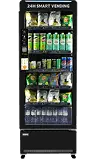
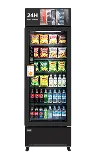
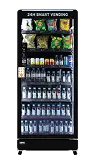
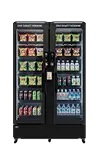
For decades, vending machine operations relied heavily on guesswork and static schedules. Operators drove fixed routes, manually counted stock, and often discovered empty slots or expired products only upon opening the machine. Today, the landscape of automated retail is shifting rapidly. With the global intelligent vending machine market projected to reach $37.52 billion by 2031, operators are increasingly turning to advanced software to maintain profitability.
At the center of this transformation is AI vending technology, a sophisticated approach to automated retail that replaces reactive physical checks with proactive, data-driven management. For distributors and operators, understanding how AI inventory management improves daily operations is critical to scaling a modern vending business.
What Is AI Inventory Management in Vending?
AI inventory management goes beyond traditional telemetry. While basic telemetry tells an operator what has been sold, AI vending technology uses machine learning algorithms to predict what will sell.
By continuously analyzing data points—such as historical sales velocity, seasonal trends, time of day, and even local weather patterns—the AI system creates an accurate demand forecast. Instead of merely acting as a digital ledger, the software acts as an automated operational manager, telling distributors exactly which machines need attention, what products to load into the truck, and how to optimize the planogram for maximum revenue.
How AI Vending Technology Works
The implementation of AI in vending operations primarily targets the supply chain and route management. Here is how the core systems function:
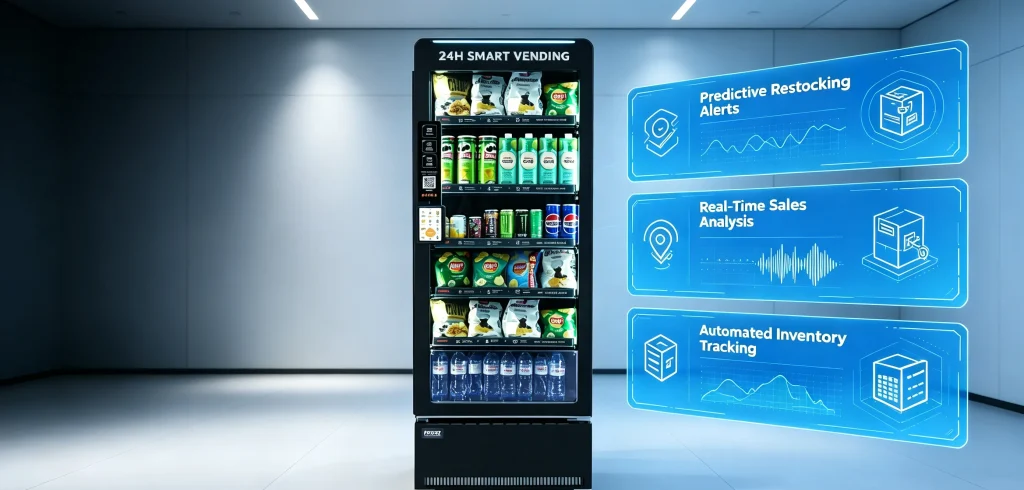
1. Predictive Restocking Alerts
Traditional operators visit machines based on a calendar schedule (e.g., every Tuesday and Friday). AI vending technology introduces dynamic scheduling. The system analyzes real-time inventory levels and predictive demand to trigger restocking alerts only when a machine is about to reach a critical low-stock threshold.
- Dynamic Routing: The software automatically generates daily route maps tailored specifically to the machines that require immediate restocking, ignoring machines that are still adequately stocked.
- Pre-Kitting Accuracy: Warehouse staff receive precise pick-lists generated by the AI, ensuring drivers only carry the exact inventory needed for the day’s specific route.
2. Real-Time Sales Analysis
Merchandising a vending machine effectively requires understanding hyper-local consumer preferences. AI systems process real-time sales data to perform complex automated analytics.
- Planogram Optimization: The AI identifies slow-moving items and suggests high-velocity replacements based on performance data from similar locations.
- Spoilage Prevention: By tracking expiration dates alongside sales velocity, the system can predict which perishable items will not sell in time, allowing operators to adjust pricing or modify future purchasing orders.
3. Automated Inventory Tracking
Modern AI vending technology integrates seamlessly with back-end enterprise resource planning (ERP) systems. When a product is purchased, the AI not only deducts it from the machine’s virtual inventory but also updates the central warehouse stock. Once warehouse stock dips below a designated safety level, the system can automatically generate purchase orders for suppliers.
The Business Benefits for Vending Operators
Investing in AI-driven management systems delivers measurable returns on investment by cutting operational waste and maximizing machine uptime.
- Drastic Reduction in Stockouts: Empty spirals equate to lost revenue. Research shows that implementing AI-powered inventory forecasting can reduce retail stockouts by up to 35%. By predicting demand spikes, machines remain fully stocked with top-selling items.
- Lower Operational Costs: Fuel and labor are two of the highest expenses for vending operators. By eliminating unnecessary service trips to half-full machines, dynamic AI routing drastically cuts fuel consumption and labor hours.
- Maximized Revenue: Optimized product placement driven by AI sales analysis directly impacts the bottom line. Data from industry deployments indicates that AI-driven optimization engines can increase vending sales by up to 15%.
Common Applications and Deployment Scenarios
While AI vending technology is beneficial across the board, it is particularly valuable in high-stakes environments:
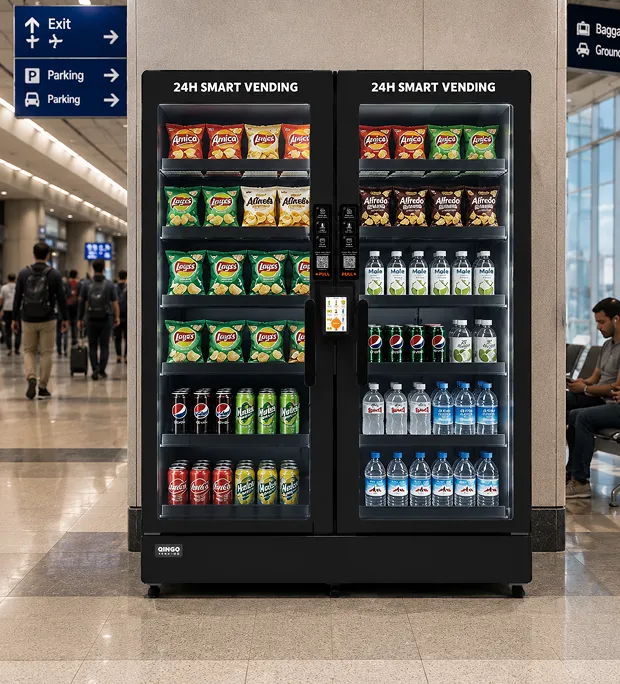
- High-Traffic Transit Hubs: Airports and train stations experience erratic foot traffic. AI helps predict sudden demand surges based on flight schedules or holiday travel, ensuring machines never run dry during peak hours.
- Fresh Food Vending & Micro Markets: In hospitals or corporate campuses where fresh sandwiches and salads are sold, shelf-life is extremely short. AI inventory management minimizes food waste by accurately predicting exact daily consumption rates.
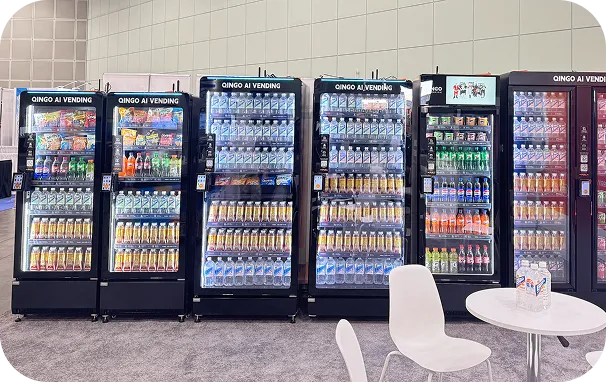
- Large-Scale Multi-Route Operations: For distributors managing hundreds of machines across different cities, AI centralization provides a singular dashboard to manage warehouse stock, driver efficiency, and machine health simultaneously.
Summary
The transition from static vending to AI-powered automated retail is no longer just a futuristic concept; it is an operational necessity. By leveraging AI vending technology for predictive restocking alerts, real-time sales analysis, and automated inventory tracking, operators can eliminate route inefficiencies, prevent lost sales from stockouts, and significantly improve their return on investment.
FAQ
- What is AI vending technology?
AI vending technology refers to the integration of artificial intelligence, machine learning, and advanced telemetry into automated retail systems to analyze real-time data, optimize inventory, and automate operational decision-making. - How does AI inventory management reduce stockouts?
The AI system analyzes historical sales data, local demand trends, and real-time stock levels to accurately predict when a product will sell out, triggering an automated restocking alert before the machine becomes empty. - Can AI vending technology improve route planning?
Yes. AI systems replace fixed servicing schedules with dynamic routing, directing drivers to visit only the machines that require inventory replenishment, which saves labor time and fuel costs. - What data does the AI sales analysis use?
AI sales analysis utilizes transaction timestamps, product velocity, seasonal variations, weather data, and location demographics to determine which products will perform best in a specific machine. - Is AI vending technology suitable for small operators?
Yes. While large operators benefit from scale, small operators can utilize AI inventory management to maximize the profitability of a limited number of machines, ensuring they do not waste money on excess warehouse inventory or unnecessary service trips.