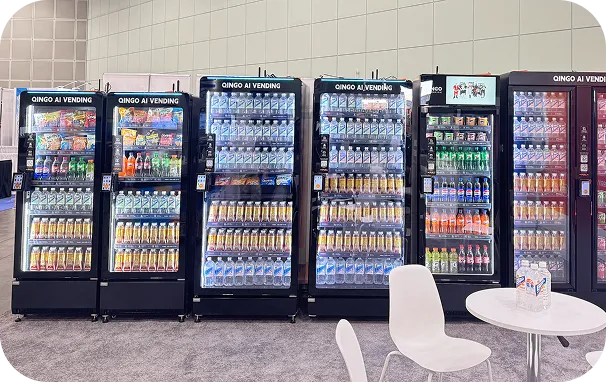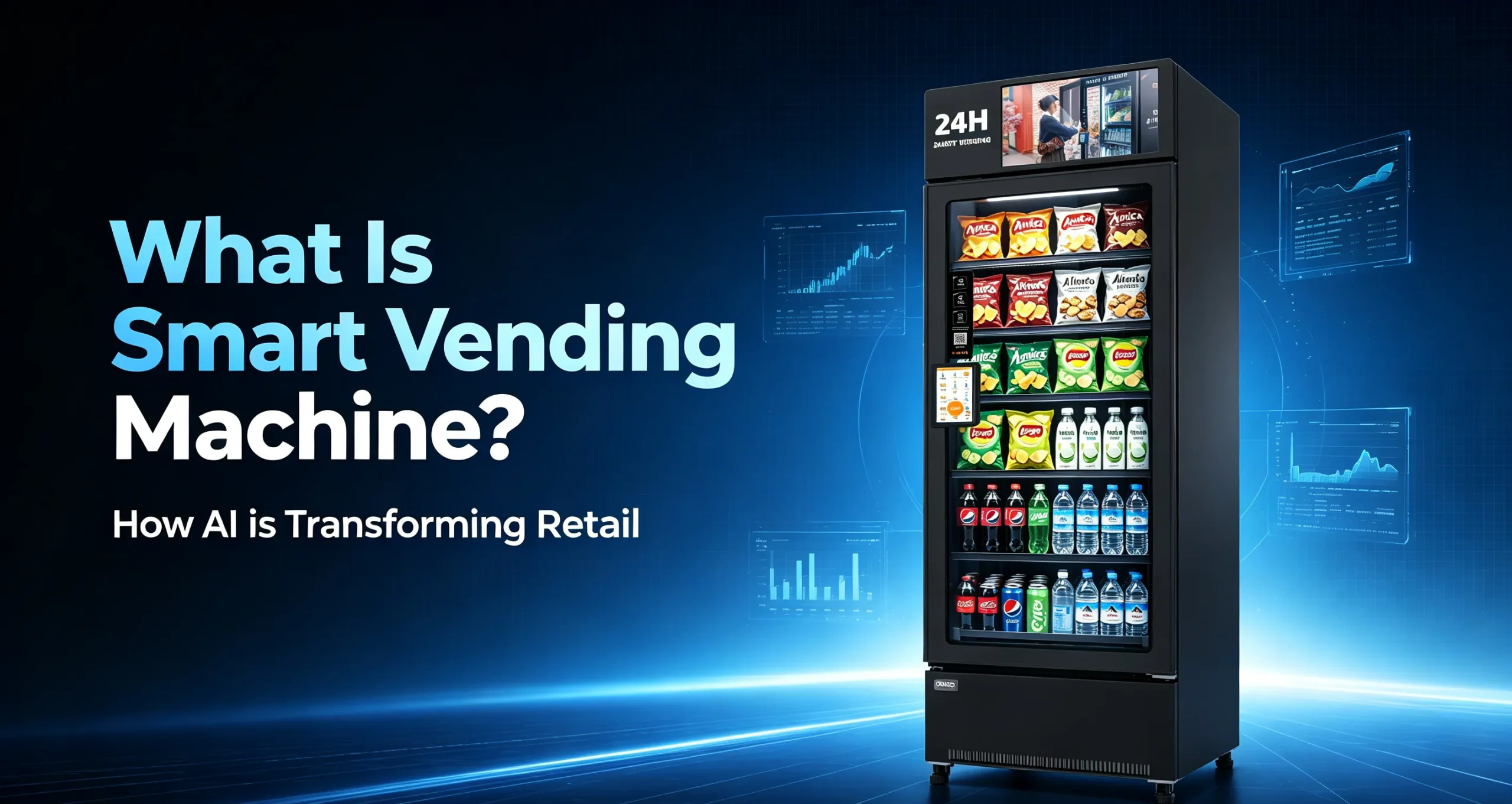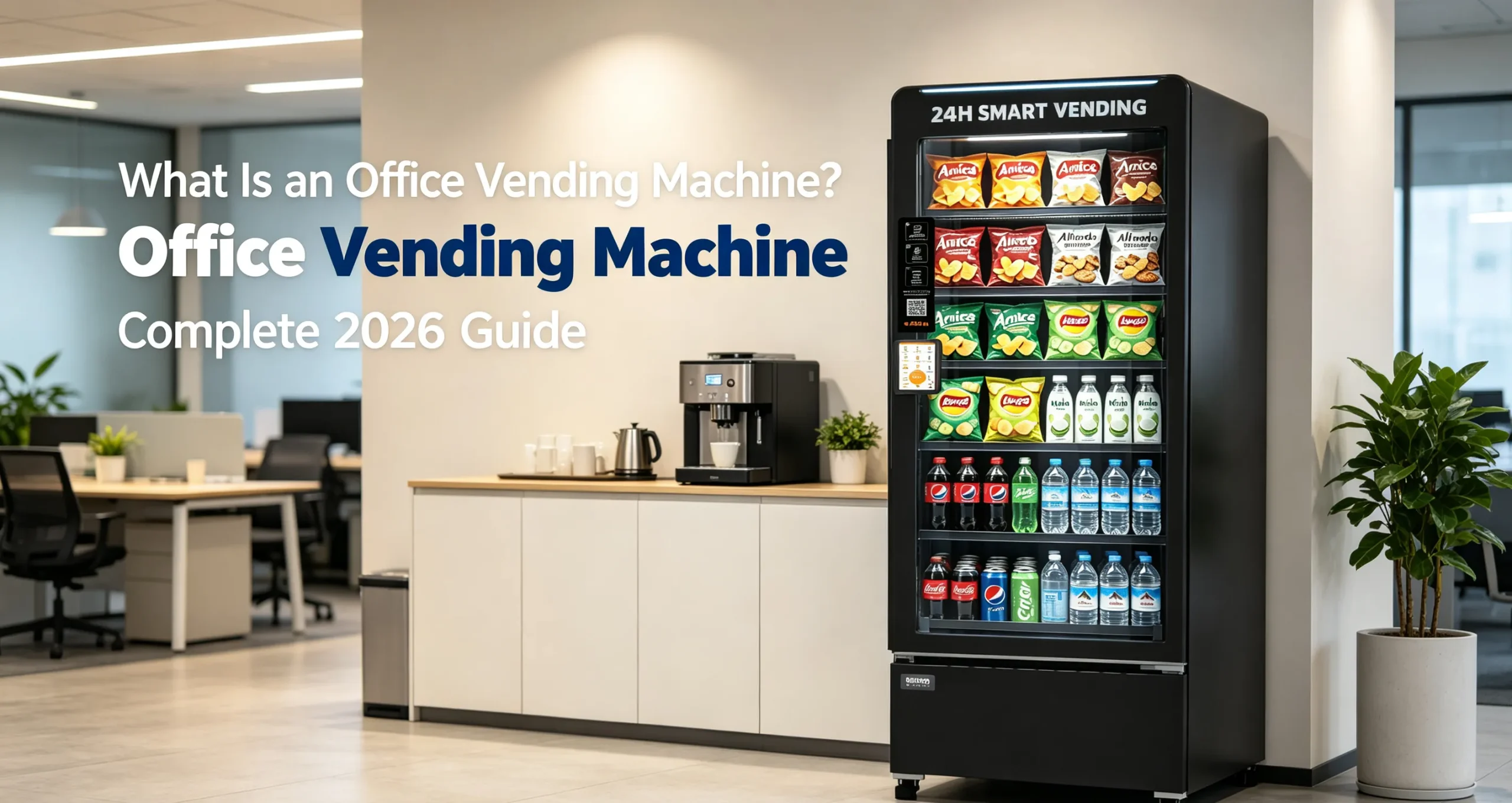
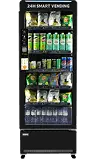
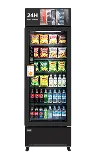
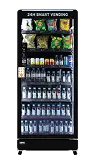
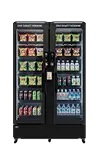
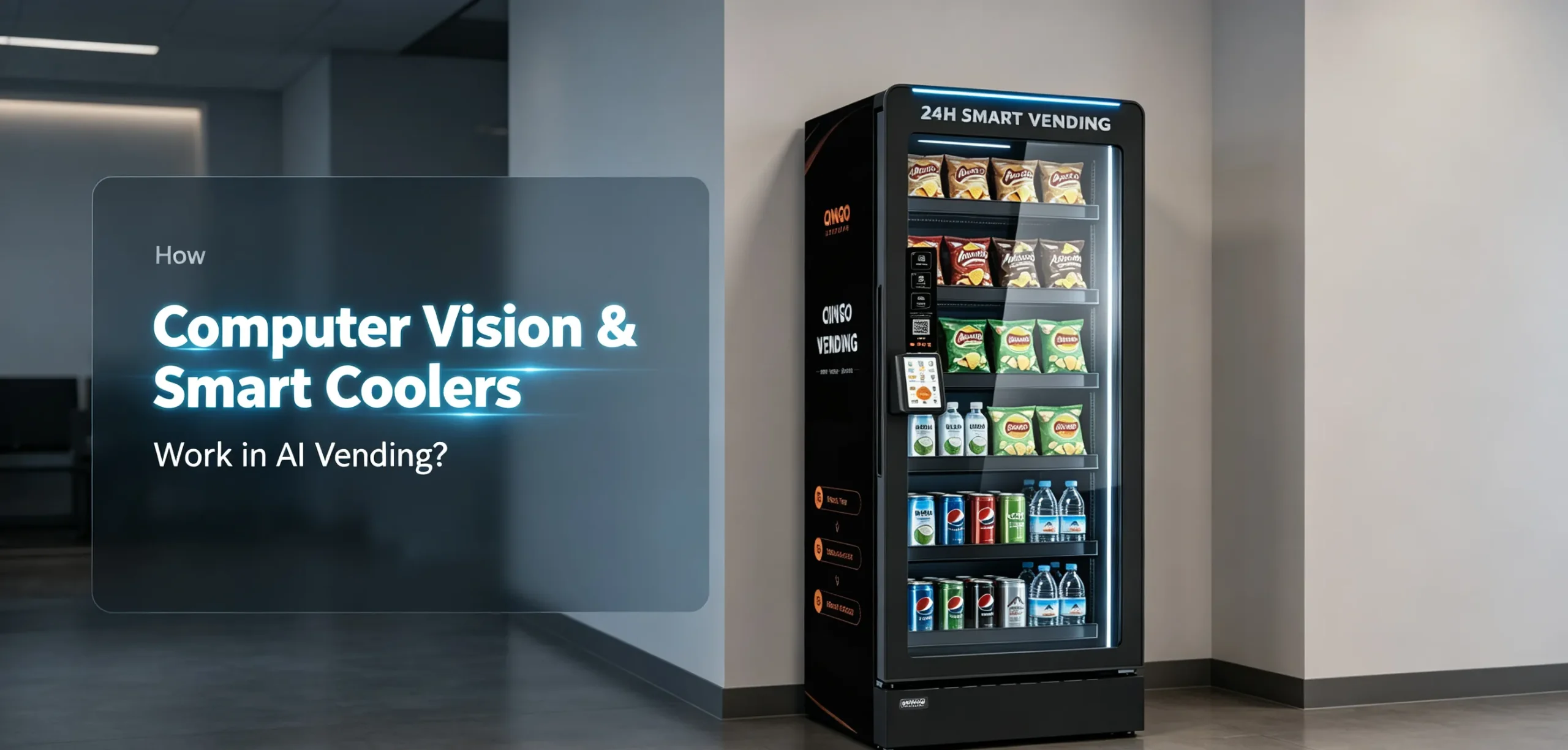
The unattended retail market is undergoing a massive transformation. For decades, traditional vending machines relied on mechanical coils, motors, and fixed slots. While functional, they introduced limitations like product jams, strict packaging constraints, and a frustrating user experience. Today, AI Vending Technology has fundamentally changed how autonomous retail operates. By leveraging computer vision and edge computing, modern smart coolers provide a seamless grab-and-go experience that functions more like a mini convenience store than a traditional vending box.
Understanding how this technology works is essential for operators, entrepreneurs, and distributors looking to scale their businesses and increase location profitability.
What Is AI Vending Technology?
AI vending technology refers to self-service retail systems that utilize artificial intelligence—specifically machine learning and computer vision—to recognize products and process transactions automatically. Instead of a customer paying first and pushing a button to drop a single product, AI smart coolers allow users to unlock a door, physically browse items on shelves, and walk away.
The system acts as an intelligent retail space. By using advanced algorithms to identify exactly what was removed, this technology eliminates the need for manual scanning or cashiers. It successfully bridges the gap between automated dispensing and a premium, frictionless shopping experience, shifting the industry from rule-based kiosks to advanced AI-driven commerce.
How Computer Vision Enables Frictionless Checkout
At the core of an AI vending machine is its computer vision system. This technology relies on cameras placed inside the cabinet and sophisticated AI models trained on a 3D map of the cooler and an image catalog of the merchandise.
Here is the step-by-step process of how grab-and-go checkout works:
- Authentication and Unlocking: The transaction begins when a consumer taps a credit card, mobile wallet, or employee badge. The machine verifies the payment method in real-time and unlocks the cabinet door.
- Dynamic Object Recognition: Once the door opens, the computer vision system tracks hand movements and product interactions. The machine learning models can identify items even in challenging conditions, such as poor lighting, inconsistent product facings, or when a customer picks up an item and puts it back.
- Sensor Fusion (Optional but Common): Many high-end units combine visual recognition with highly sensitive weight sensors beneath the shelves. This “sensor fusion” cross-verifies the visual camera data with the physical weight reduction on the shelf. If the camera sees a beverage being removed and the weight sensor confirms the exact weight drop, the system registers the transaction with supreme confidence.
- Frictionless Checkout: When the customer finishes browsing and closes the door, the edge computing controller finalizes the virtual shopping cart and automatically charges the authorized payment method. There are no buttons to press, no barcodes to scan, and no waiting.
Core Business Benefits for Vending Operators
Upgrading to AI Vending Technology offers significant commercial advantages for route operators and business owners aiming to maximize ROI:
- Elimination of Mechanical Failures: Because there are no moving coils or drop bins, product jams are virtually impossible. This drastically reduces maintenance tickets, machine downtime, and customer refund requests.
- Unrestricted Merchandising: Mechanical constraints dictate what you can sell in a standard machine. AI vision allows operators to sell products of almost any shape or size, easily accommodating high-margin fresh salads, delicate fruit, varying beverage sizes, and premium meals.
- Data-Driven Operations: Cloud-connected analytics dashboards provide itemized, real-time tracking across a fleet. This helps operators optimize their routes, minimize perishable spoilage, and restock based on highly accurate demand forecasting.
- Higher Revenue Potential: The frictionless, multi-item grab-and-go experience encourages users to buy complementary items (e.g., a sandwich and a drink) at the same time, typically leading to larger average transaction values compared to single-vend legacy machines.
Ideal Scenarios for AI Vending Deployment
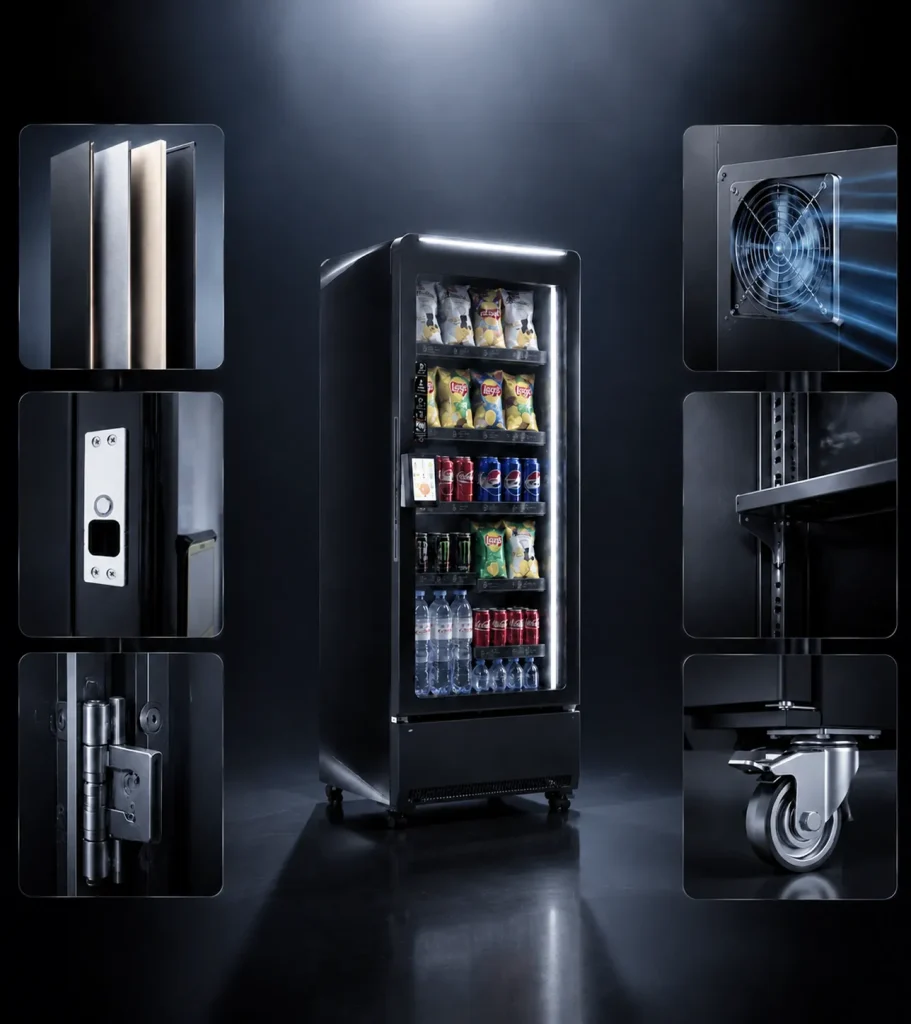
While AI smart coolers represent a higher initial investment, they thrive in high-traffic, semi-closed environments where users value convenience and premium product selection. Top deployment scenarios include:
- Corporate Offices: Replacing outdated breakroom machines with fresh-food micro-markets.
- Healthcare Facilities: Providing hospital staff and visitors with 24/7 access to nutritious meals and beverages.
- Transportation Hubs: Offering high-speed, cashless essentials and food for busy travelers in airports and train stations.
- Educational Campuses: Delivering quick, card-only convenience for university students between classes.
Summary
AI Vending Technology represents the inevitable future of unattended retail. By moving away from failure-prone mechanical dispensing and adopting advanced computer vision, operators can lower maintenance costs, offer diverse product mixes, and provide a superior shopping experience. For businesses evaluating their next equipment investment, smart coolers offer a highly scalable pathway to autonomous retail success.
FAQ
- What is AI vending technology?
AI vending technology is an automated retail solution that uses artificial intelligence and computer vision to track and bill product selections automatically. It replaces traditional mechanical coils with smart shelves, allowing customers to freely grab items and walk away while the system instantly handles the checkout process. - How accurate is computer vision in vending machines?
Computer vision systems in modern smart coolers consistently achieve an accuracy rate of over 99%. By combining advanced image recognition algorithms with optional weight sensors, the AI can correctly identify similar-looking products, even if they are misplaced or partially obscured by the user’s hand. - Can AI smart coolers sell products of any shape or size?
Yes, AI smart coolers can dispense virtually any item that physically fits on the shelf. Because they do not rely on fixed-size mechanical coils or slots, operators can freely stock irregularly shaped products like fresh salads, square sandwich boxes, and varying beverage bottle sizes. - How do AI vending machines prevent theft?
AI vending machines prevent theft by requiring secure payment pre-authorization before the glass door will unlock. Once open, the computer vision system meticulously tracks every item removed and automatically charges the user’s payment method the exact moment the door closes, effectively eliminating casual shoplifting. - Does AI vending technology require an internet connection?
Yes, a stable internet connection is required to process secure cashless payments and sync real-time inventory data to the cloud. However, many modern systems utilize edge computing to process the visual AI recognition locally, ensuring the machine operates smoothly during the actual transaction.