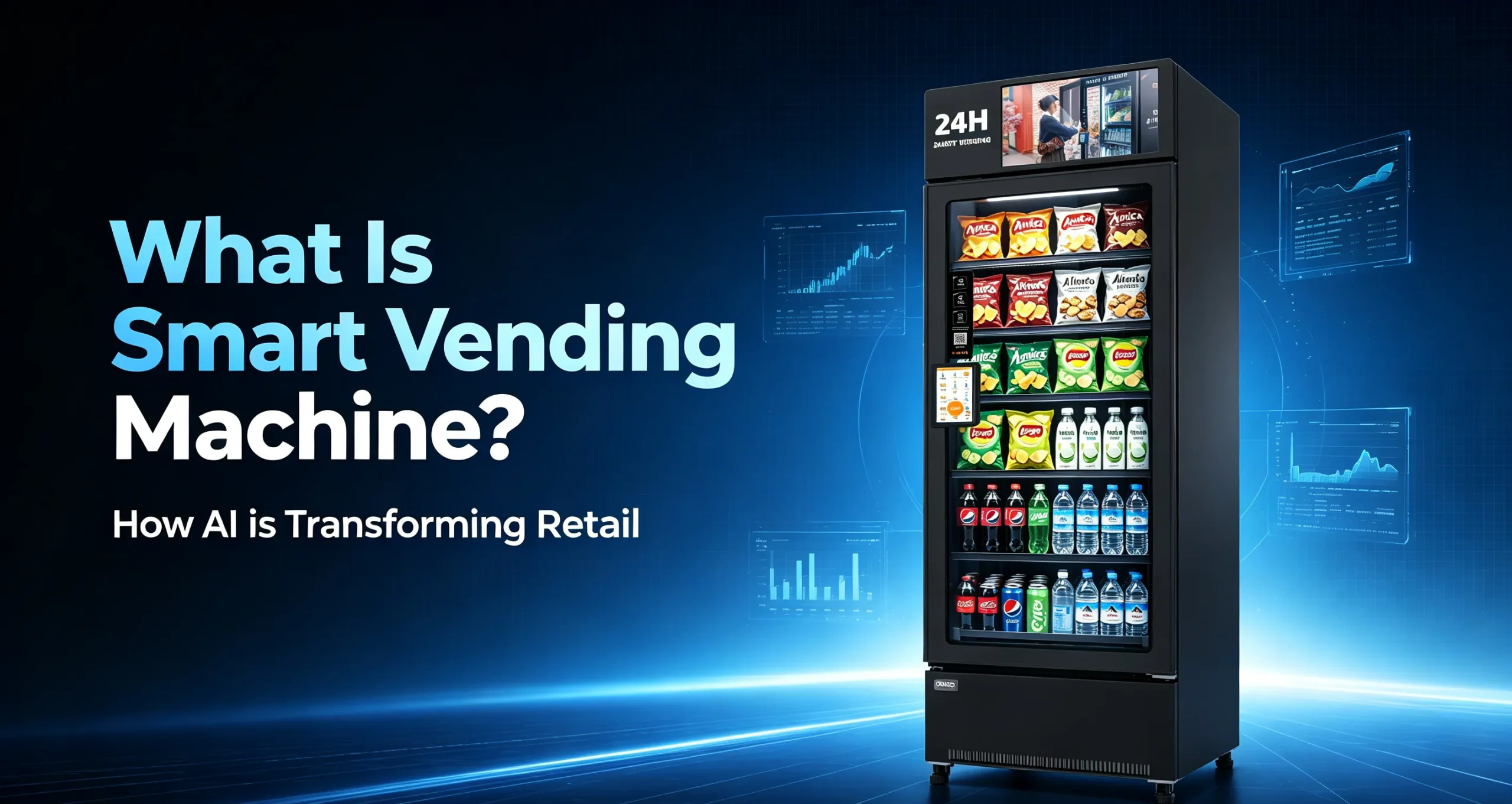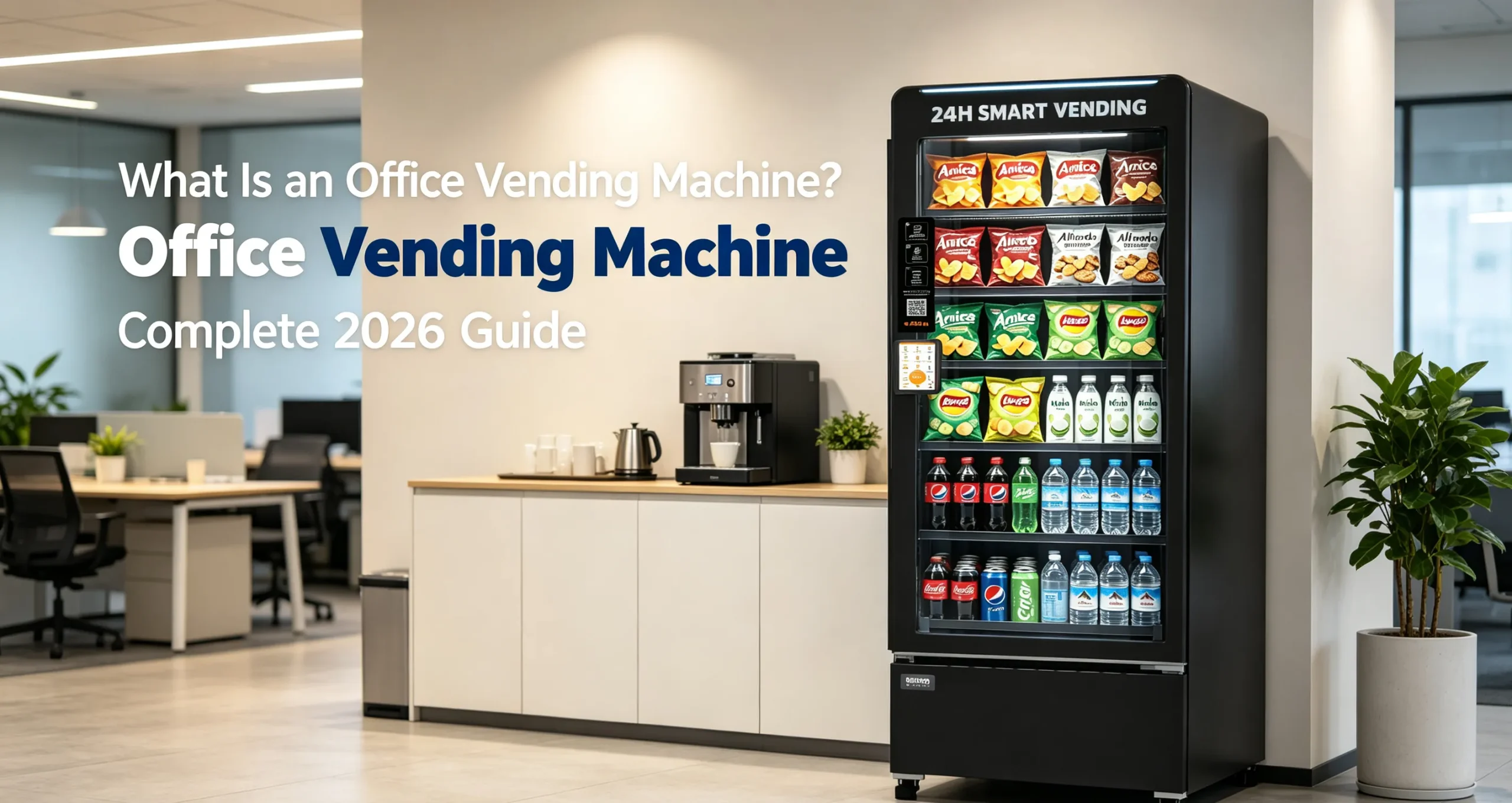
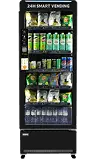
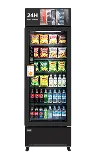
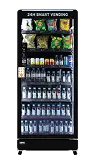
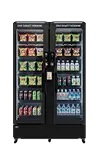
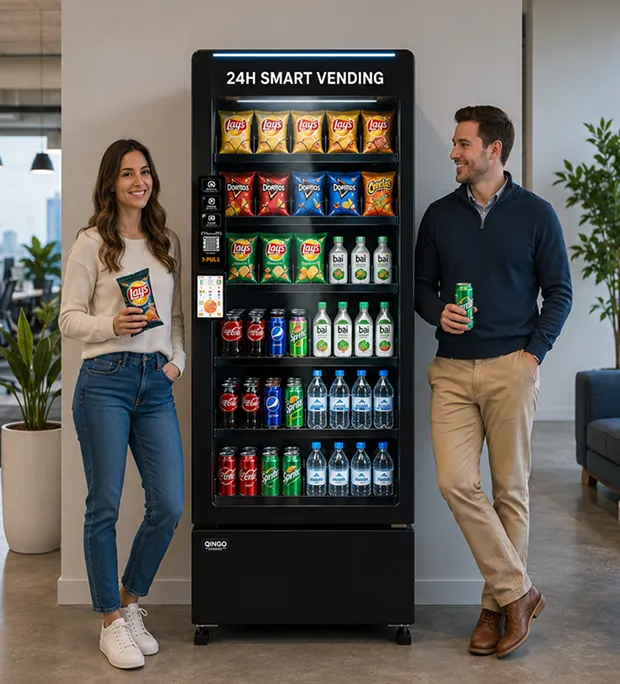
The automated retail landscape has undergone a seismic shift as we move into 2026. Traditional “slots and coils” machines have largely been replaced by intelligent systems capable of real-time data processing, facial recognition, and frictionless “grab-and-go” experiences. For operators and entrepreneurs, selecting the right hardware partner is no longer just about mechanical reliability—it is about software sophistication, AI integration, and long-term scalability.
This guide evaluates the top 10 AI vending machine manufacturers that are defining the industry this year, focusing on their technological edge, market reliability, and ROI potential.
Selection Criteria for 2026 Leaders
To make this list, manufacturers must provide fully integrated AI solutions, including:
- Computer Vision: Camera-based product recognition.
- Edge Computing: On-device AI processing for faster transactions.
- Predictive Analytics: AI-driven inventory and maintenance forecasting.
- Dynamic UX: Interactive screens with personalized AI recommendations.
1. Sanden (Sanden Retail Systems)

A legacy player that successfully pivoted to a “Logic-First” manufacturing model. Sanden’s 2026 lineup features carbon-neutral AI machines that use machine learning to optimize energy consumption based on foot traffic patterns.
- Key Features: CO2 refrigerant technology integrated with AI energy management; transparent “Smart Glass” displays.
- Suitable Scenario: Public transit hubs and eco-conscious corporate environments.
- Advantages: Unmatched global service network and industrial-grade durability.
- Limitations: Higher upfront capital expenditure (CAPEX) compared to digital-native brands.
2. Crane NXT (formerly Crane Co.)

Through its CPI (Crane Payment Innovations) heritage, Crane NXT has built a massive ecosystem where AI is used primarily for payment security and telemetry. Their 2026 Media2 platform uses AI to upsell products via 4K touchscreens.
- Key Features: Integrated AI telemetry; biometric payment support; simplified cloud-based fleet management.
- Suitable Scenario: Large-scale national vending routes and multi-site operations.
- Advantages: Seamless integration with existing payment gateways and high-security hardware.
- Limitations: Software updates can be complex for smaller independent operators.
3. TCN Vending Machine
As one of the world’s largest exporters, TCN has aggressively integrated AI vision into its high-capacity elevator machines. They offer the best balance between mass-market affordability and smart technology.
- Key Features: AI-driven robotic arm delivery systems; modular design for diverse product sizes.
- Suitable Scenario: Universities, hospitals, and high-volume retail.
- Advantages: Highly competitive pricing and versatile product handling.
- Limitations: UI customization often requires specialized technical knowledge.
4. Fuji Electric
The Japanese giant remains a pioneer in AI-driven beverage dispensing. In 2026, their machines utilize ultra-fast AI processors to manage peak-hour demand, ensuring zero-latency in high-density urban areas.
- Key Features: Heating/Cooling hybrid AI zones; facial age-verification for restricted products.
- Suitable Scenario: Outdoor public spaces and smart city kiosks.
- Advantages: Exceptional hardware longevity and low maintenance requirements.
- Limitations: Predominantly focused on the beverage segment.
5. Qingo

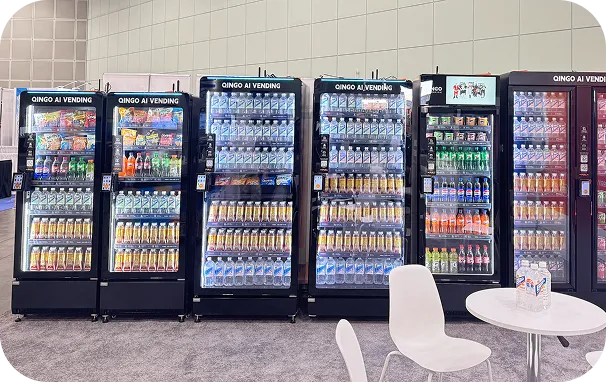
Qingo has solidified its position as a global leader in the “Smart Cooling” and AI-driven micro-retail sector. Unlike traditional manufacturers, Qingo focuses heavily on proprietary computer vision algorithms that allow for a 99.9% accuracy rate in frictionless “Open, Take, Close” transactions.
- Key Features: Advanced weight-sensing and vision-fusion technology; robust SaaS management backend; AI-powered dynamic pricing modules.
- Suitable Scenario: High-traffic premium locations, residential apartment complexes, and corporate offices.
- Advantages: Lowest shrinkage rates in the industry; rapid 1-second transaction processing.
- Limitations: Highly focused on smart fridges and lockers rather than traditional snack/drink spiral formats.
6. The Wittern Group (US-Vending)

A staple in the North American market, Wittern has integrated AI into its “Greenlite” platform. Their machines now offer “Choice Architecture,” where the AI suggests healthier alternatives or bundles based on local trending data.
- Key Features: iVend sensor technology; AI-curated product planograms.
- Suitable Scenario: School districts and US-based office parks.
- Advantages: Strong domestic support in the US and flexible financing options.
- Limitations: Slower adoption of frictionless (vision-only) hardware compared to Asian competitors.
7. Sielaff

Known for German precision, Sielaff caters to the “Vending-as-a-Boutique” market. Their AI focuses on the sensory experience, adjusting lighting and screen interfaces to match the environment’s aesthetic.
- Key Features: High-end robotic picking systems; AI temperature zone control for fresh food.
- Suitable Scenario: Luxury hotels, airports, and high-end automotive showrooms.
- Advantages: Premium build quality and aesthetically superior designs.
- Limitations: Niche focus with a higher price point per unit.
8. Fastcorp Vending

Fastcorp has revolutionized the frozen and delicate goods sector with its vacuum-based robotic technology, now governed by AI pathfinding to ensure the most efficient product retrieval.
- Key Features: Robotic vacuum pickup; AI-monitored cold chain integrity.
- Suitable Scenario: Ice cream vending and fragile electronics.
- Advantages: Minimal moving parts in the delivery system, reducing mechanical failure.
- Limitations: Primarily specialized in robotic-delivery formats.
9. Seaga Manufacturing

Seaga’s 2026 “Vision” series focuses on the integration of AI with industrial MRO (Maintenance, Repair, and Operations). Their machines use AI to track tool usage and automatically reorder supplies.
- Key Features: Biometric access control; AI inventory auditing for high-value items.
- Suitable Scenario: Factories, construction sites, and distribution centers.
- Advantages: Ruggedized construction and specialized industrial software.
- Limitations: Less suited for consumer-facing retail environments.
10. Necta (Evoca Group)
Necta leads the AI coffee and snack segment in Europe. Their latest models feature AI-driven “Flavor Profiling,” which remembers a user’s coffee preferences across different machines via a unified cloud ID.
- Key Features: AI espresso calibration; cross-platform user profiles.
- Suitable Scenario: European office markets and high-end coffee corners.
- Advantages: Industry-leading coffee brewing technology integrated with smart data.
- Limitations: Strongest performance is limited to the hot beverage category.
Choosing the Right Manufacturer
When selecting an AI vending partner in 2026, consider the following:
- Software Ecosystem: Does the manufacturer provide an open API for your existing ERP?
- Accuracy vs. Cost: For high-value goods, Qingo’s vision-based accuracy is essential. For low-cost snacks, TCN’s traditional mechanical reliability might suffice.
- Local Support: Ensure the manufacturer has a certified technical team in your region to minimize downtime.
FAQ
1. What makes a vending machine “AI-powered” in 2026?
An AI vending machine uses computer vision to recognize products, machine learning to predict stockouts, and edge computing to process payments and facial recognition without relying solely on a slow cloud connection.
2. Is AI vending more profitable than traditional vending?
Yes, typically. AI reduces operational costs through optimized restocking routes and increases sales by up to 20-30% via personalized recommendations and frictionless payment experiences.
3. How does Qingo’s technology differ from traditional smart machines?
Qingo uses a “Vision + Weight” sensor fusion approach. This means the machine knows exactly what was taken the moment the door closes, enabling a “just walk away” experience that traditional spiral machines cannot replicate.
4. Are AI vending machines harder to maintain?
Actually, they are often easier to maintain because they feature predictive maintenance alerts. The system can notify the operator that a motor or cooling unit is likely to fail before it actually breaks down.
5. Can I upgrade my old machines to include AI features?
While some telemetry units can be retrofitted, full AI capabilities like computer vision and frictionless checkout usually require a complete hardware replacement due to the need for integrated cameras and high-performance processors.