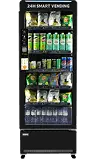
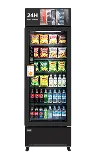
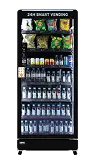
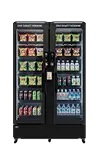
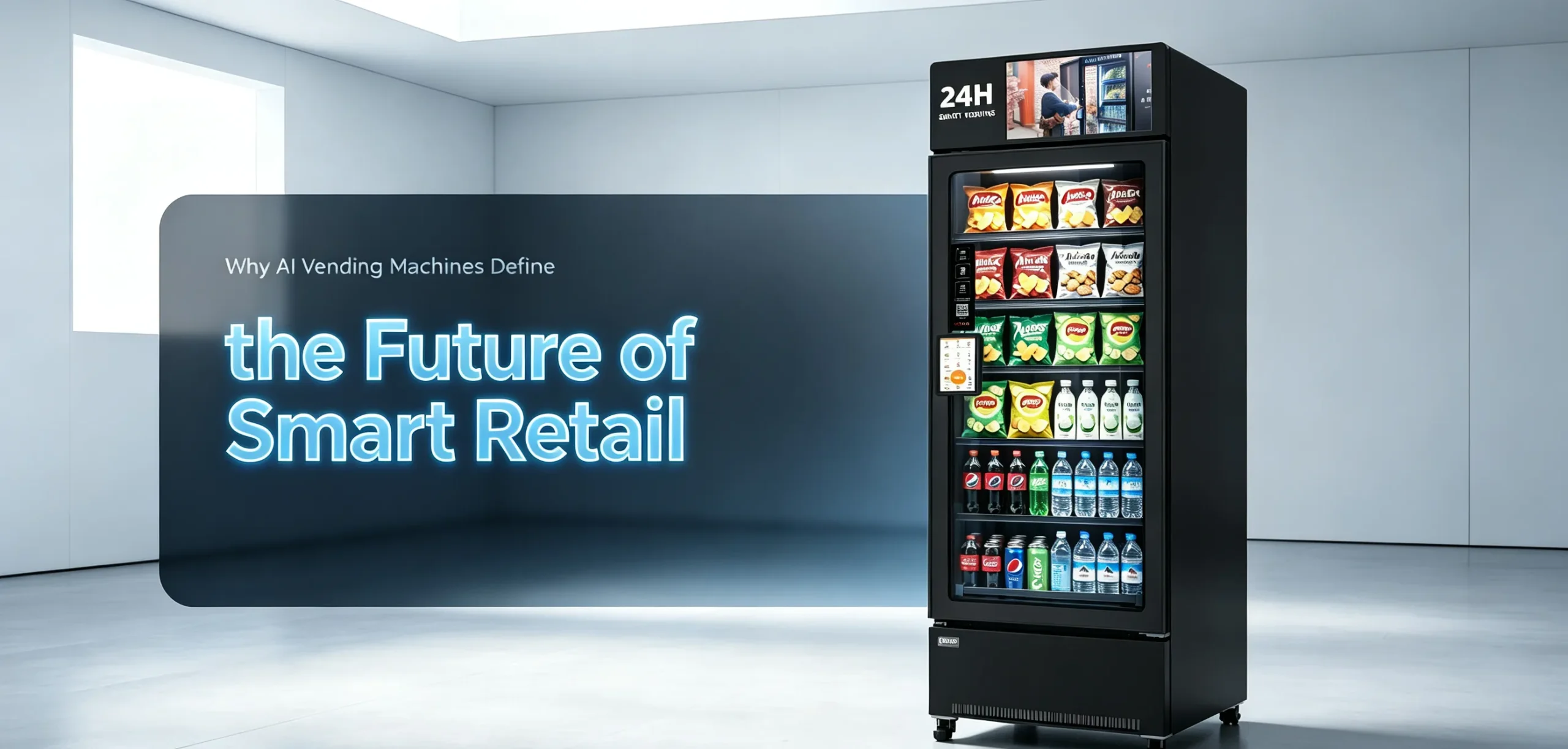
The global retail landscape is undergoing a fundamental transformation, driven by the convergence of automation and artificial intelligence. At the heart of this evolution is the ai vending machine, a technology that has moved far beyond simple snack dispensing to become a sophisticated, data-driven retail hub. For entrepreneurs and vending operators, understanding the market trajectory of these intelligent systems is no longer optional—it is a prerequisite for long-term viability in smart retail.
Global Market Landscape: Growth and Projections
The automated retail market is experiencing a period of unprecedented expansion. According to industry valuations, the global smart vending machine market was valued at approximately USD 20.2 billion in 2023 and is projected to reach over USD 43 billion by 2032, growing at a Compound Annual Growth Rate (CAGR) of roughly 9.5% to 10.3%.
Market Growth Projection (2024–2030)
| Year | Estimated Market Value | Growth Driver |
| 2024 | $22.1 Billion | Integration of contactless payments |
| 2026 | $27.4 Billion | Expansion into fresh food & pharma |
| 2028 | $34.2 Billion | Advanced AI computer vision adoption |
| 2030 | $41.8 Billion | Hyper-personalized consumer profiles |
This upward trajectory is fueled by the demand for “grab-and-go” convenience and the need for retailers to reduce physical footprints while maintaining 24/7 availability.
Key Drivers Propelling the AI Vending Revolution
Several macroeconomic and technological factors are pushing the industry toward an AI-first approach. These drivers highlight why the transition to intelligent hardware is a strategic necessity.
1. Labor Shortages and Rising Operational Costs
Global labor markets are tightening, particularly in the service and retail sectors. AI vending machines mitigate this risk by providing a fully automated storefront that requires zero on-site staff. Unlike traditional units, AI-integrated machines utilize predictive maintenance and remote monitoring, significantly reducing the frequency of unnecessary technician visits and manual inventory checks.
2. The Demand for Real-Time Data Analytics
Data is the currency of modern retail. AI vending machines provide operators with granular insights that were previously impossible to capture:
- Dwell Time: How long a customer interacts with the machine.
- Conversion Rates: The ratio of passersby to actual purchasers.
- Inventory Optimization: AI algorithms predict when a specific SKU will run out based on historical trends, weather patterns, and local events, ensuring the machine is always stocked with high-margin items.
3. Hyper-Personalization and Enhanced UX
Modern consumers expect a digital-first experience. Through facial recognition (where compliant) and machine learning, AI vending systems can offer personalized recommendations, loyalty rewards, and targeted advertisements. This level of engagement increases the average transaction value (ATV) compared to non-intelligent systems.
Technological Pillars of Smart Automated Retail
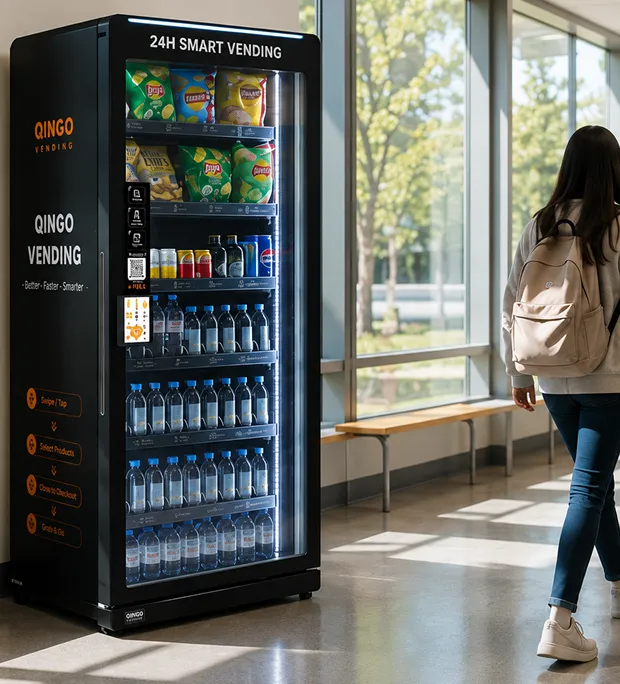
The “Intelligence” in an ai vending machine is supported by three core technologies that are redefining the industry standard:
- Computer Vision: Replacing mechanical coils with “smart shelves” or sensor-fusion technology allows for a frictionless “pick and go” experience. This technology accurately tracks which items are removed, reducing mechanical failure and expanding the range of sellable products (e.g., fragile electronics or premium glass-bottled beverages).
- Edge Computing: By processing data locally on the machine rather than relying solely on the cloud, AI vending units can execute transactions and inventory updates with near-zero latency, ensuring a seamless user experience.
- Dynamic Pricing Engines: Similar to e-commerce platforms, AI-enabled machines can adjust pricing in real-time based on product expiration dates or peak demand hours, maximizing the Return on Investment (ROI) per square foot.
Regional Market Maturity and Opportunity
The adoption of AI vending technology varies significantly by region, offering distinct opportunities for distributors and investors:
- North America: Leads in the adoption of AI-integrated “Micro-Markets” within corporate offices and healthcare facilities.
- Asia-Pacific: Currently the fastest-growing region. China and Japan are pioneering the use of AI for high-end retail, including cosmetics and hot meals, driven by high urban density and mobile payment ubiquity.
- Europe: Seeing a surge in “Smart Pharmacy” and automated grocery kiosks, focused heavily on sustainability and energy-efficient AI hardware.
The Road Ahead: Future Outlook for 2026 and Beyond
As we move toward 2026, the AI vending machine will cease to be a “niche” solution and become the standard for unmanned retail. Future developments will likely focus on 5G integration for even faster data processing and sustainability AI, which optimizes energy consumption for cooling systems based on ambient temperature and usage patterns.
For operators, the window for early adoption is narrowing. Transitioning to AI-driven infrastructure is no longer about keeping up with trends—it is about securing a position in the future of autonomous commerce.
FAQ
1. What is the expected ROI for an AI vending machine compared to traditional units?
While initial capital expenditure is higher, AI vending machines typically see a 20-30% increase in revenue due to reduced stock-outs, personalized upselling, and significantly lower operational costs associated with manual inventory management.
2. How does AI improve inventory management in vending?
AI uses predictive analytics to analyze sales velocity. It alerts operators exactly when and what to restock, optimizing the supply chain route and ensuring that high-demand products are never unavailable, which maximizes daily turnover.
3. Is computer vision technology reliable for high-traffic areas?
Yes, modern computer vision and sensor fusion technologies have reached over 99% accuracy in item detection. This allows for high-speed transactions in busy environments like airports or transit hubs where traditional mechanical systems often jam or fail.
4. Can AI vending machines handle “non-traditional” retail products?
Absolutely. Because AI systems (especially those using computer vision) do not rely on coils or elevators, they can dispense everything from fresh salads and hot coffee to high-value electronics and fragile glassware without risk of damage.
5. How do AI vending machines contribute to a business’s digital transformation?
They act as physical touchpoints for a digital ecosystem. By integrating with mobile apps and loyalty programs, they allow businesses to collect valuable consumer behavior data, bridging the gap between online and offline retail analytics.
Reference Sources
- Grand View Research: Smart Vending Machines Market Size & Share Report, 2030
- Mordor Intelligence: Automated Retail Market – Growth, Trends, and Forecasts
- Statista: Number of Vending Machines Worldwide by Region
- Vending Market Watch: Annual State of the Vending Industry Report