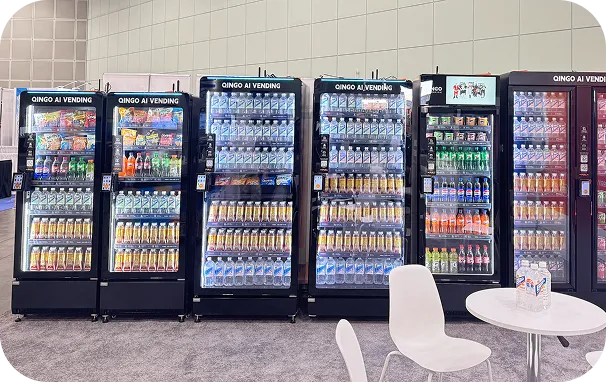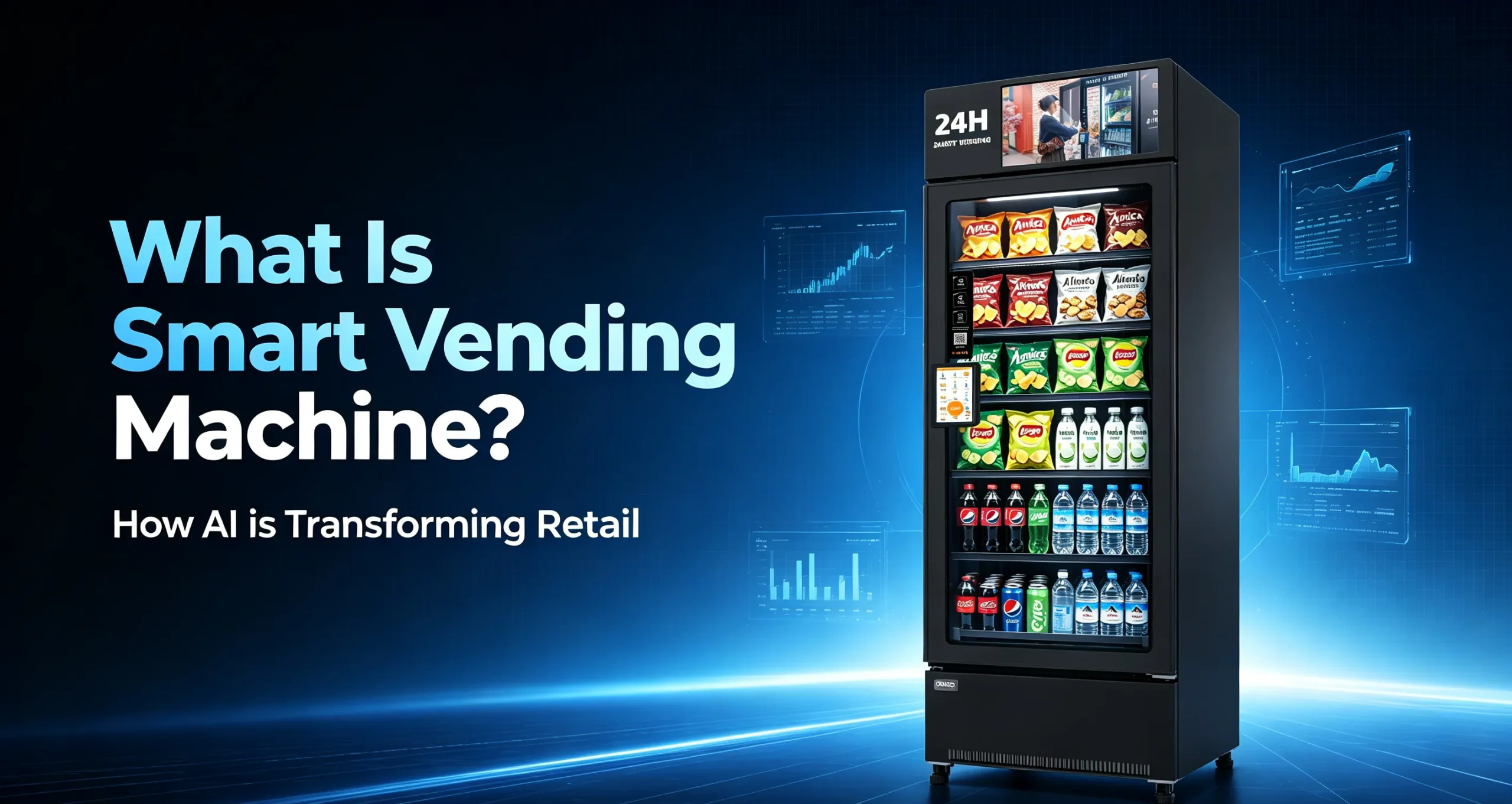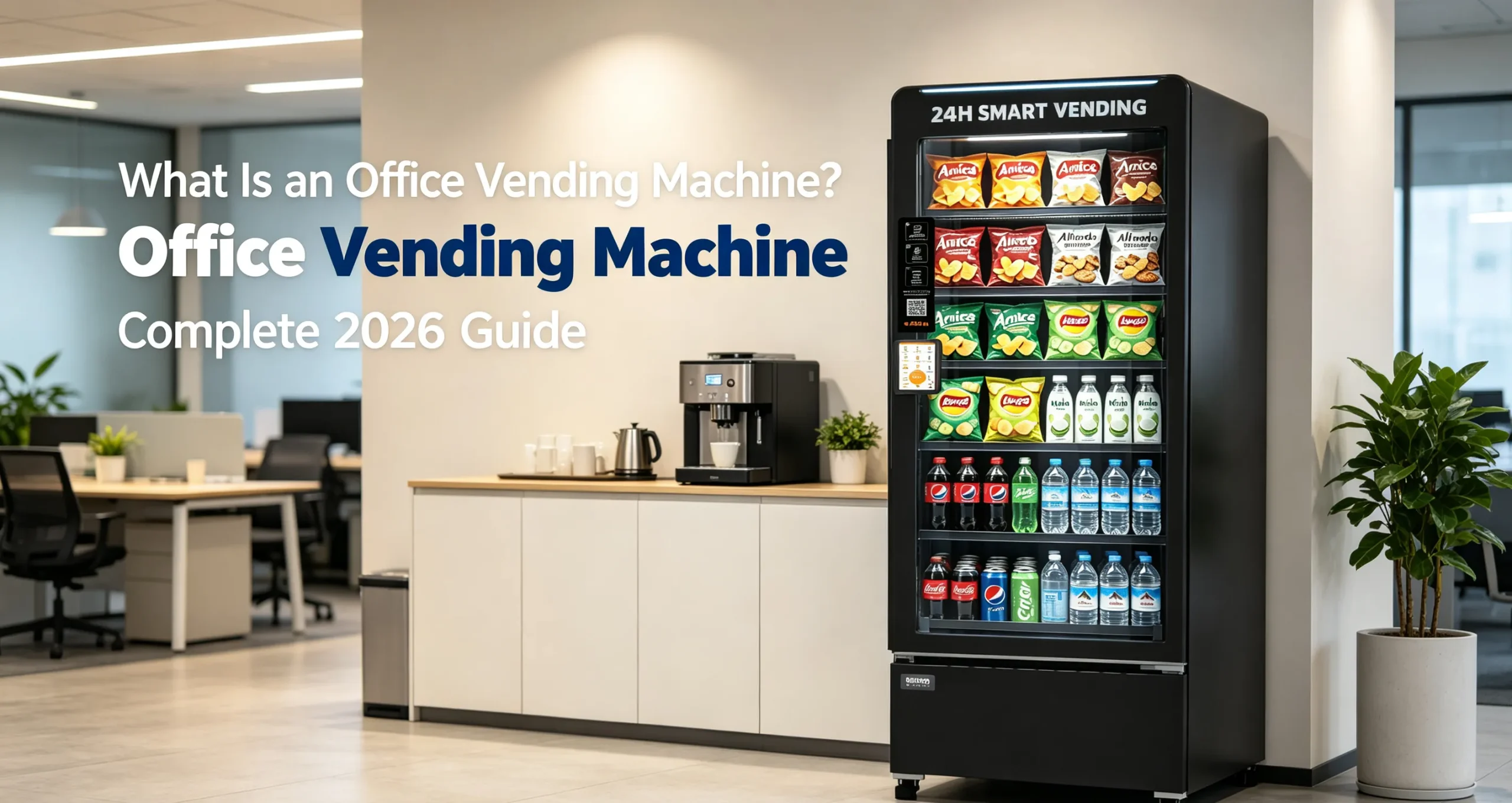
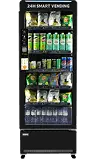
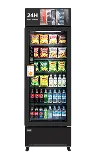
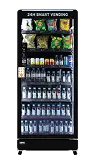
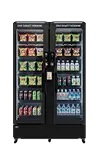
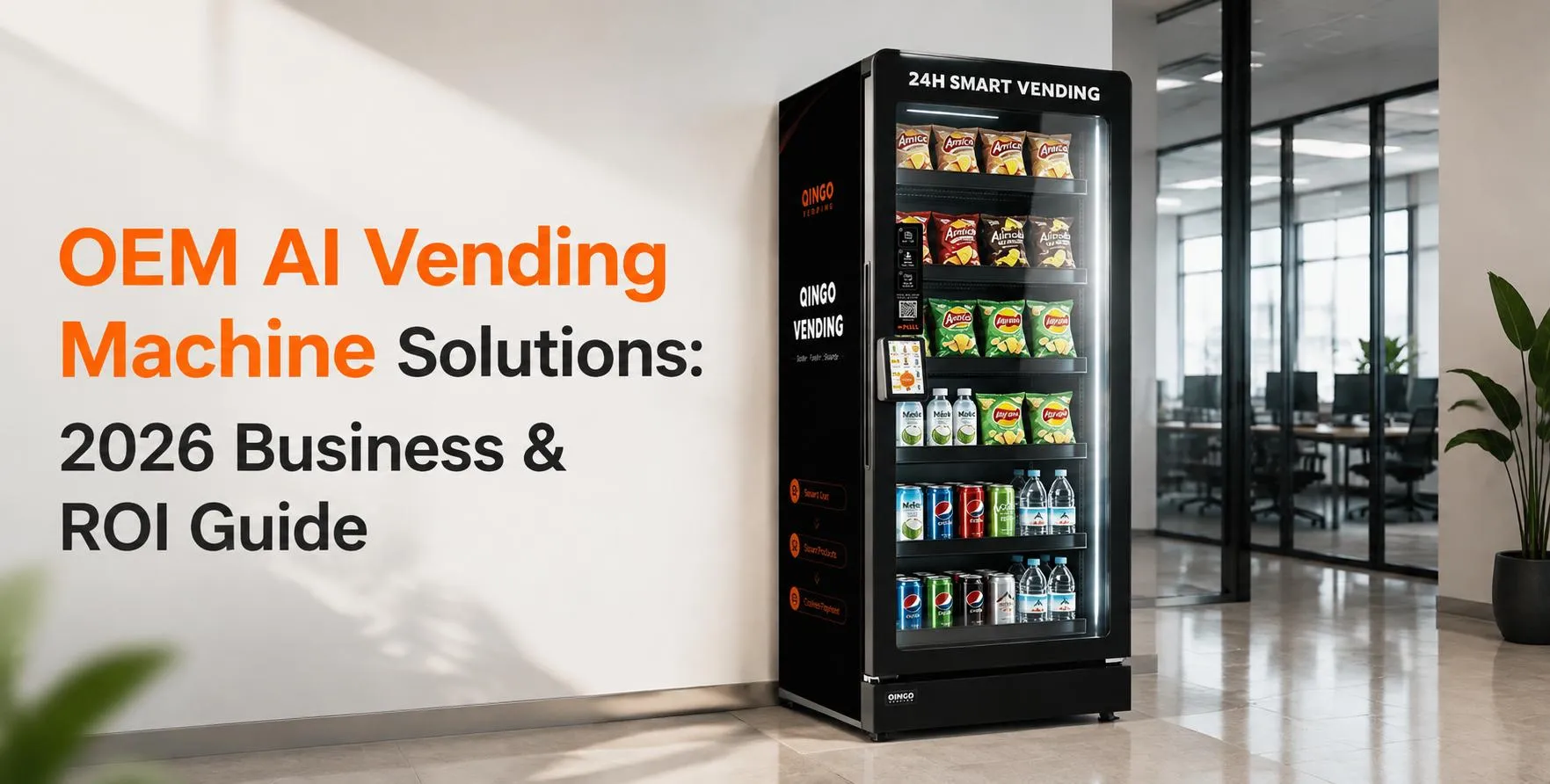
Unattended retail has shifted from mechanical dispensers to intelligent, frictionless storefronts. For entrepreneurs, distributors, and brand owners in 2026, investing in an OEM AI vending machine is no longer just about hardware—it is about deploying a highly optimized, custom-branded business model. By leveraging Original Equipment Manufacturer (OEM) and Original Design Manufacturer (ODM) solutions, businesses can bypass generic constraints and tailor their automated retail systems to specific market demands. This guide analyzes the business case, revenue factors, and true return on investment (ROI) of deploying custom AI vending solutions.
The Business Opportunity in Unattended Retail
The global intelligent vending machines market is projected to reach $53.95 billion by 2033, expanding at a CAGR of 11.45%. This aggressive market growth is driven by consumer demand for 24/7 convenience, higher labor costs in traditional retail environments, and rapid advancements in computer vision and artificial intelligence.
For brands and distributors, an OEM AI vending machine offers a scalable physical footprint. Instead of retrofitting off-the-shelf equipment, an OEM approach allows companies to design the exterior aesthetics, integrate proprietary payment systems, and configure the interior for unique product dimensions—ranging from fresh pre-packaged meals to high-end consumer electronics.
Revenue Factors: How AI Vending Drives Profitability
Deploying an AI-powered system fundamentally changes the revenue mechanics compared to legacy coil machines.
- Multi-Item Transactions: Traditional machines limit customers to single, sequential purchases. AI machines operate like open-shelf micro-markets. Consumers swipe or tap a card, open the door, and grab multiple items simultaneously. This “grab-and-go” convenience frequently increases average order value (AOV) by 30% to 50%.
- Dynamic Pricing and Upselling: Connected machines allow operators to adjust pricing remotely based on the time of day, demand surges, or product expiration dates. Interactive touchscreens can display targeted promotions or bundle offers, encouraging higher spending per visit.
- Premium Product Viability: Unlike mechanical machines that can damage fragile goods during dispensing, AI smart coolers use computer vision, RFID, and weight sensing to identify products safely. This enables the sale of high-margin items like fresh salads, glass-bottled beverages, cosmetics, and electronics, dramatically increasing revenue potential per square foot.
Cost Factors: CAPEX, OPEX, and OEM Advantages
While the initial capital expenditure (CAPEX) for an OEM AI vending machine is higher than a standard mechanical unit, the operational expenditure (OPEX) savings are substantial over the machine’s lifespan.
- Hardware Acquisition: An OEM partnership reduces per-unit costs at scale compared to buying through third-party resellers. Businesses pay for the exact specifications they need, ensuring no capital is wasted on redundant features.
- Inventory Shrinkage & Waste: Real-time data analytics track every product interaction. Systems log what customers pick up and put back, preventing stockouts of best-sellers and reducing the spoilage of perishable goods.
- Maintenance & Labor: Traditional vending routing requires drivers to visit locations simply to check stock levels. AI systems feature cloud-based management platforms that monitor inventory levels and machine health in real time. This cuts unnecessary service visits, significantly reducing fuel and labor costs by optimizing route planning.
Operational Considerations for Distributors and Brands
To ensure a successful deployment and a rapid ROI, distributors and operators must align the hardware with local operational realities.
- Payment Infrastructure: With 71% of U.S. vending transactions being cashless, seamless integration with regional payment gateways (mobile wallets, credit cards, QR codes) is critical. OEM solutions allow for pre-certified payment integrations tailored to specific countries and consumer habits.
- Data Connectivity: AI visual recognition relies on continuous data transmission to process transactions. Operators must ensure stable 4G/5G or Wi-Fi connectivity at deployment locations to avoid transaction failures and revenue loss.
- Custom Packaging Recognition: When working directly with an ODM/OEM manufacturer, brand owners can train the AI algorithms to accurately recognize unique packaging shapes, preventing billing errors and improving the frictionless customer experience.
ROI Analysis: OEM AI Vending vs. Traditional Machines
Calculating the return on investment requires looking beyond the sticker price. Operators must evaluate the net profit after deducting product costs, payment gateway fees, and software subscriptions.
| Business Metric | Traditional Vending Machine | OEM AI Vending Machine |
| Average Transaction | Single item (Low AOV) | Multi-item bundling (High AOV) |
| Product Flexibility | Fixed slots/coils limiting sizes | Any shape or size accommodated |
| Payment Experience | Coin/Card (Slower processing) | Frictionless Contactless / Mobile Wallet |
| Inventory Efficiency | Blind restocking routines | Data-driven, predictive restocking |
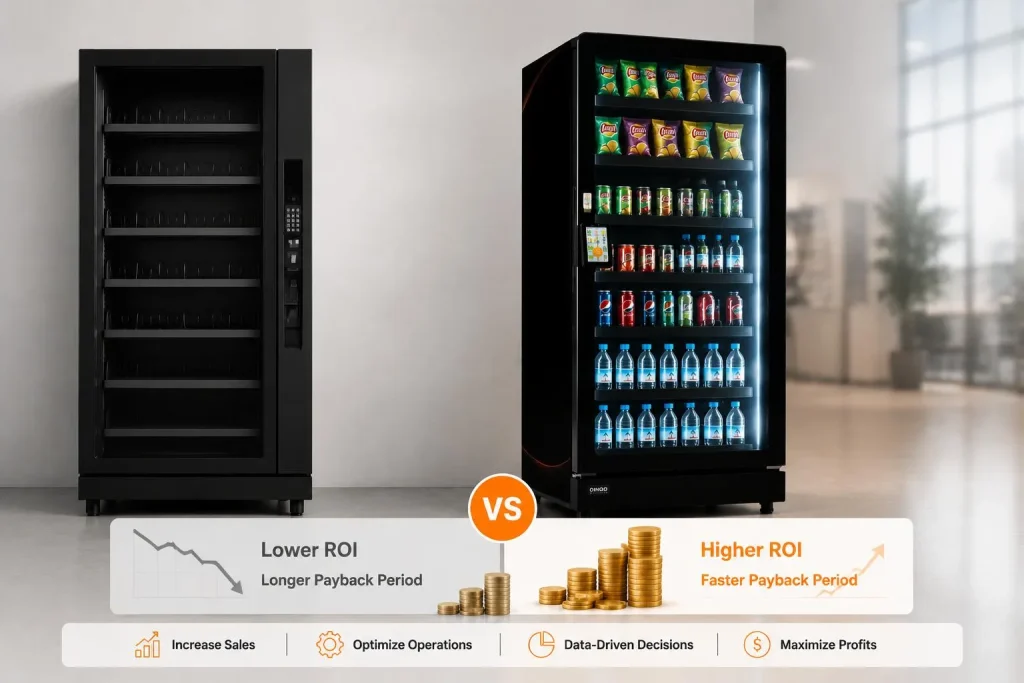
| Typical Payback Period | 18 – 24 months | 10 – 15 months (accelerated by sales volume) |
By maximizing the revenue per transaction and minimizing unnecessary maintenance trips, an OEM AI vending machine can achieve profitability much faster, provided it is strategically placed in high-traffic, relevant locations such as corporate offices, hospitals, or luxury apartment complexes.
Conclusion: Scaling with the Right Manufacturing Partner
For B2B operators and brands aiming to dominate the automated retail space, off-the-shelf equipment is often insufficient. An OEM AI vending machine solution provides the hardware reliability, software flexibility, and custom branding required to build a scalable and highly profitable network. By understanding the revenue drivers and actively managing operational costs, businesses can secure a dominant market position in the rapidly growing smart retail sector.
FAQ
What is an OEM AI vending machine?
An OEM AI vending machine is a customized automated retail system manufactured to a brand’s specific hardware and software requirements. It utilizes artificial intelligence, such as computer vision and smart sensors, to process frictionless, cashierless transactions.
How does AI technology increase vending machine revenue?
AI technology increases revenue by enabling multi-item purchases and eliminating mechanical dispensing limitations. Customers can freely browse and grab multiple products at once, which frequently increases the average order value by 30% to 50%.
What are the ongoing costs of running an AI vending machine?
The primary ongoing operational costs include inventory replenishment, payment processing fees, and software subscription fees for cloud management. Additional expenses may include location rent, cellular telemetry data plans, and routine hardware maintenance.
How do I calculate the ROI for a smart vending machine?
To calculate the ROI, subtract the daily operational costs, product costs, and payment processing fees from the gross daily revenue to find your net profit. Divide the total initial investment (machine cost, shipping, setup) by the net monthly profit to determine the payback period in months.
Can OEM vending machines support localized payment methods?
Yes. A primary advantage of choosing an OEM solution is the ability to integrate specific payment hardware and software gateways during the manufacturing process. This allows operators to accept regional digital wallets, local transit cards, and diverse currencies seamlessly.
Reference Sources
How AI Vending Machines Work: Technology Behind Smart Retail – Neuroshop
Smart Store vs Vending Machine: Which Has Better ROI? – Reyeah
Vending Machine Industry Statistics USA 2026
AI Smart Cooler Vending Machine: Boost Sales 50% with Contactless Multi-Item Shopping