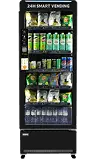
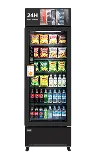
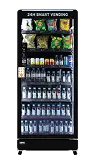
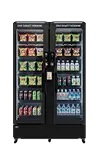
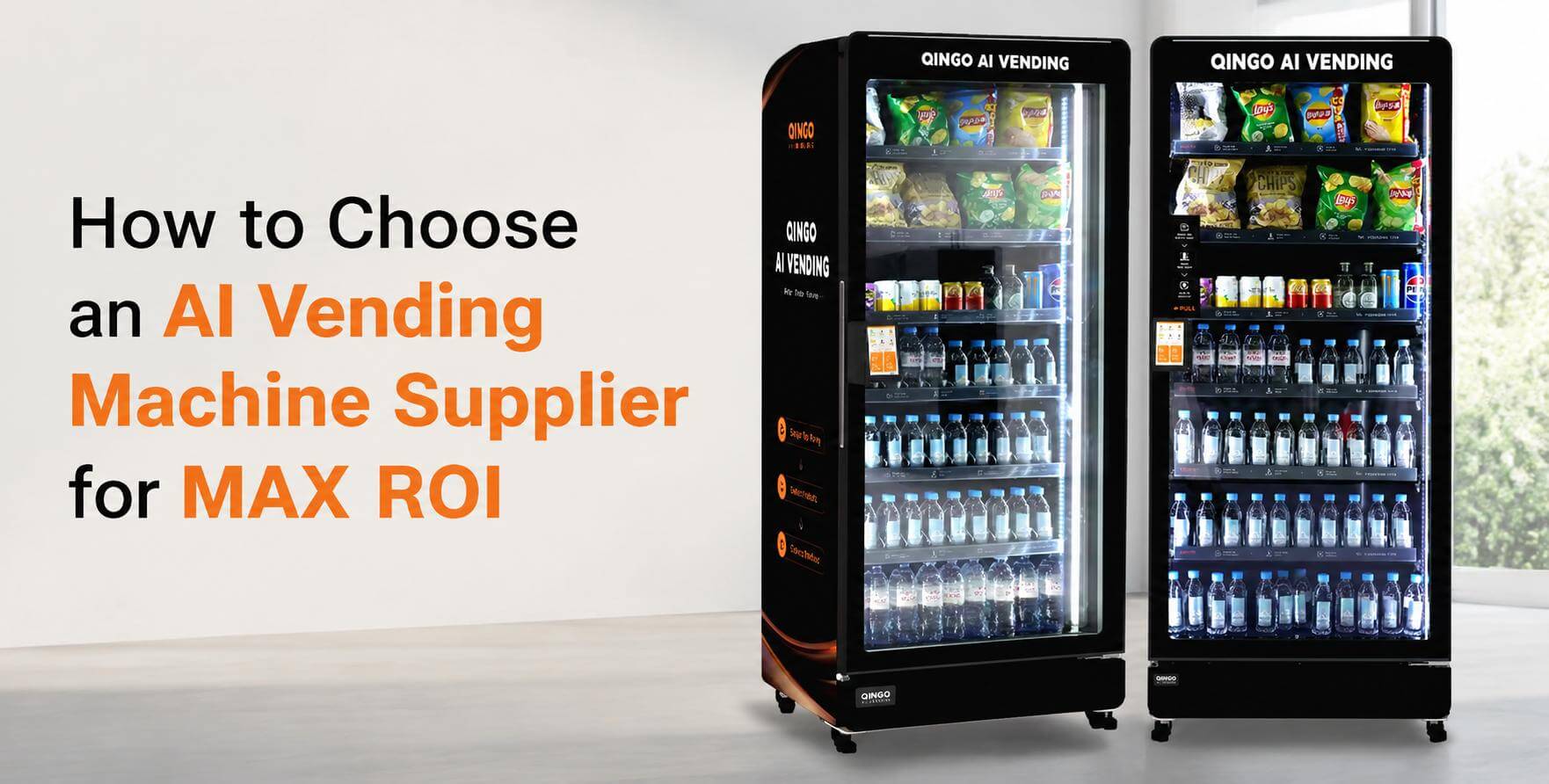
In my years working in the automated retail industry, I have seen operators make the same mistake repeatedly: treating their equipment purchase as a simple hardware transaction. When upgrading to smart, cashierless systems, you are not just buying a metal box; you are investing in a technology ecosystem.
Choosing the right ai vending machine supplier is one of the most critical decisions an operator can make. The right partner provides the software stability, data analytics, and operational efficiency needed to maximize your Return on Investment (ROI). In this guide, I will walk you through the business factors you need to evaluate before signing a contract.
The Business Opportunity in Smart Vending
The automated retail landscape is shifting. With the global smart vending machine market expanding at double-digit growth rates and projected to reach nearly $90 billion by 2034, the opportunity for high-margin, unattended retail is clearer than ever.
Unlike traditional coil machines, AI-powered smart fridges and micro-markets use computer vision, weight sensors, and machine learning to offer a frictionless “tap, grab, and go” experience. This shift allows operators to sell high-margin premium products—such as fresh salads, artisan sandwiches, and fragile electronics—that would otherwise get stuck or damaged in a traditional drop-dispense machine.
However, realizing this revenue potential requires a supplier whose technology can accurately track inventory and process transactions without frustrating delays.
Revenue Factors: How Your Supplier Impacts the Top Line
The AI vending machine supplier you select directly influences your revenue ceiling. Here is how:
- Product Recognition Accuracy: High-quality AI systems generally achieve recognition accuracy rates above 99%. If a supplier’s AI struggles to differentiate between a diet cola and a regular cola, you will face revenue leakage and customer disputes.
- Dynamic Merchandising: Top-tier suppliers provide backend analytics that reveal exactly which items are selling at specific times. Research shows that optimizing product mix based on AI data can significantly increase revenue, as operators can eliminate slow-moving inventory and double down on high-demand items.
- Frictionless Payments: A reliable supplier will integrate with modern, low-latency payment gateways, supporting NFC, mobile wallets, and credit cards. Faster transaction times mean higher throughput during busy periods, like office lunch rushes.
Cost Factors: Evaluating Total Cost of Ownership (TCO)
A common trap is choosing an AI vending machine supplier based solely on the lowest upfront hardware price. AI vending ROI is determined by the Total Cost of Ownership (TCO).
When reviewing proposals, I advise operators to model the following costs:
- Hardware Capital Expenditure (CapEx): The initial cost of the machine, sensors, and cooling units.
- Monthly SaaS / Platform Fees: Most AI systems require ongoing cloud computing for image processing, inventory management, and telemetry.
- Payment Processing Fees: Understand if the supplier locks you into their proprietary payment gateway with high transaction rates, or if they allow third-party integrations.
- Maintenance and Spares: IoT sensors and cameras require different maintenance than traditional coils. Evaluate whether your supplier offers accessible spare parts and over-the-air (OTA) software updates.
Operational Considerations for Scaling
Scaling your route from one machine to fifty requires seamless operations. Your supplier must provide a robust management dashboard.
You need to evaluate:
- Real-Time Inventory Tracking: Can the system send low-stock alerts to your route drivers to prevent unnecessary trips?
- Predictive Maintenance: Does the software monitor compressor temperatures and door-close status to prevent food spoilage?
- Customer Support Service Level Agreements (SLAs): If the payment terminal goes offline on a Friday evening, how quickly will the supplier’s technical team respond?
ROI Analysis: Traditional vs. AI Vending
To help you visualize the financial impact, here is a breakdown of how the right AI vending machine supplier alters the ROI equation compared to traditional models:
| Business Metric | Traditional Vending | AI-Powered Vending | Supplier Impact |
| Average Basket Size | Usually 1 item | Often 2-3 items | Smooth UX encourages multiple item purchases. |
| Product Margins | Low (Snacks/Soda) | High (Fresh Food/Meals) | Gentle handling allows for premium item sales. |
| Restocking Efficiency | Fixed schedules | Data-driven routing | Software reduces labor hours and fuel costs. |
| Typical Payback Period | 18 – 24 months | 12 – 18 months | Reliable AI uptime accelerates break-even points. |
Checklist: Questions to Ask Your Potential Supplier
Before signing a contract, ask your supplier these specific questions to protect your investment:
- What is the documented accuracy rate of your product recognition model?
- Are ongoing software updates included in the monthly platform fee?
- Do you provide API access to integrate with my existing route management software?
- What is the hardware warranty period for the camera and weight sensor components?
Conclusion: Partnering for Long-Term Profitability
Choosing an ai vending machine supplier is a strategic business partnership. You are integrating their software into your daily operations. By prioritizing recognition accuracy, transparent software fees, and strong operational support over just the lowest hardware price, you can build a resilient, high-margin automated retail business. Focus on the data, evaluate the true TCO, and choose a partner that scales with your business ambitions.
FAQ
Q: What is the average ROI period when working with an AI vending machine supplier?
A: Most operators experience a payback period of 12 to 18 months, depending on location traffic and product margins. High-traffic corporate offices or residential buildings with high disposable income tend to reach profitability much faster.
Q: Does an AI vending machine supplier charge ongoing software fees?
A: Yes, almost all suppliers charge a monthly SaaS (Software as a Service) fee. This covers cloud hosting, AI image processing, real-time telemetry, and remote dashboard access.
Q: How does AI technology reduce my operational costs?
A: AI systems provide real-time inventory data, which means your drivers only visit machines that actually need restocking. This reduces fuel costs, minimizes labor hours, and helps eliminate food waste from expired products.
Q: Can I sell fresh food in AI vending machines?
A: Yes, AI smart fridges are specifically designed for fresh food, salads, and fragile items. Because there are no traditional drop mechanisms, premium products are handled safely by the consumer.
Q: What technical support should I expect from a reliable supplier?
A: A strong supplier should offer over-the-air (OTA) software updates, remote troubleshooting capabilities, comprehensive hardware warranties, and a clear Service Level Agreement (SLA) to minimize machine downtime.
Reference Sources
- Custom Market Insights. (2026). “Smart Vending Machine Market Size, Share & Trends, 2034.”
- VMFS USA. (2026). “AI Vending Machine ROI: Real Payback Data by Venue Type.”
- Neuroshop. (2026). “Micromarket ROI Explained Profitability Guide.”
- VendSoft. (2026). “AI Vending Machines: How they work, costs & examples.”