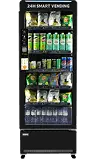
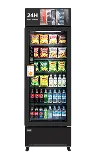
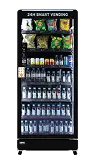
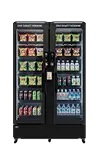
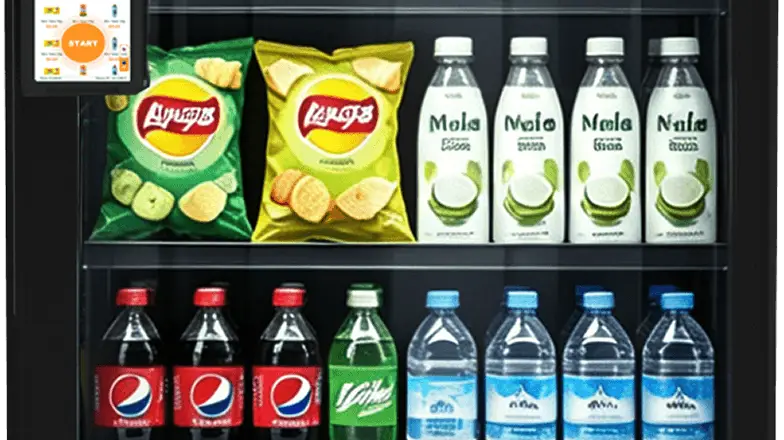
As a manufacturer deeply embedded in the automated retail industry, I am frequently asked by entrepreneurs: “What are the limits of an AI vending machine?” In the past, we were confined by mechanical spirals and simple drop-delivery systems that limited us to bags of chips and bottled sodas.
Today, that has changed. The integration of Artificial Intelligence (AI) has transformed the humble vending machine into a sophisticated micro-market. From my perspective, the question is no longer “What can it sell?” but rather “How can we optimize the machine for your specific product?”
What Is an AI Vending Machine?
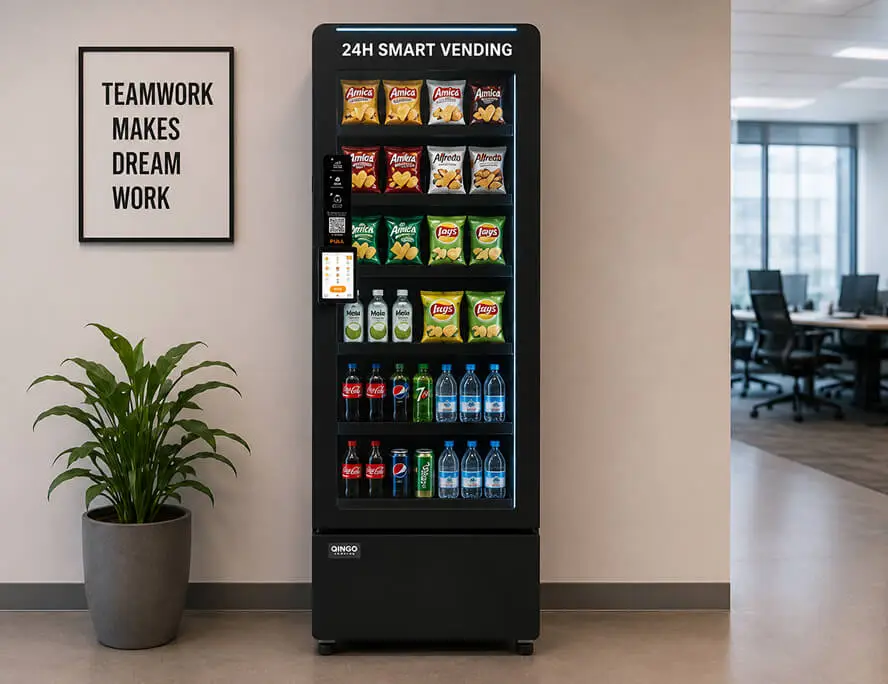
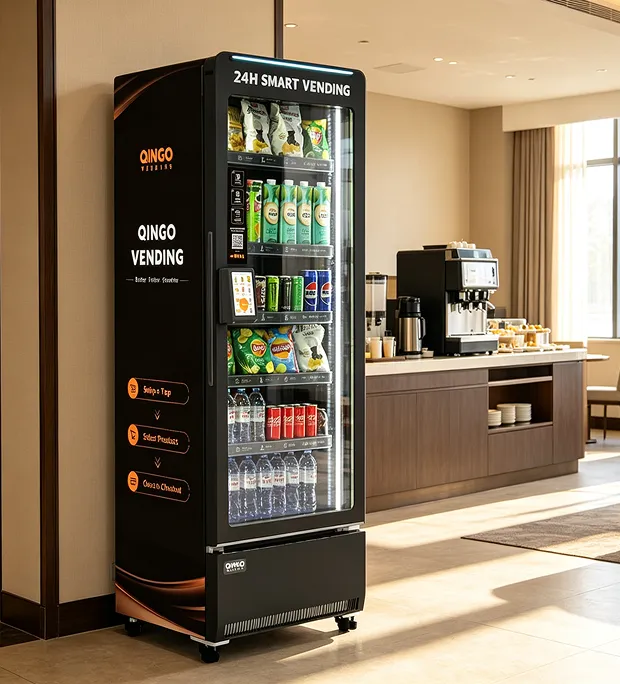
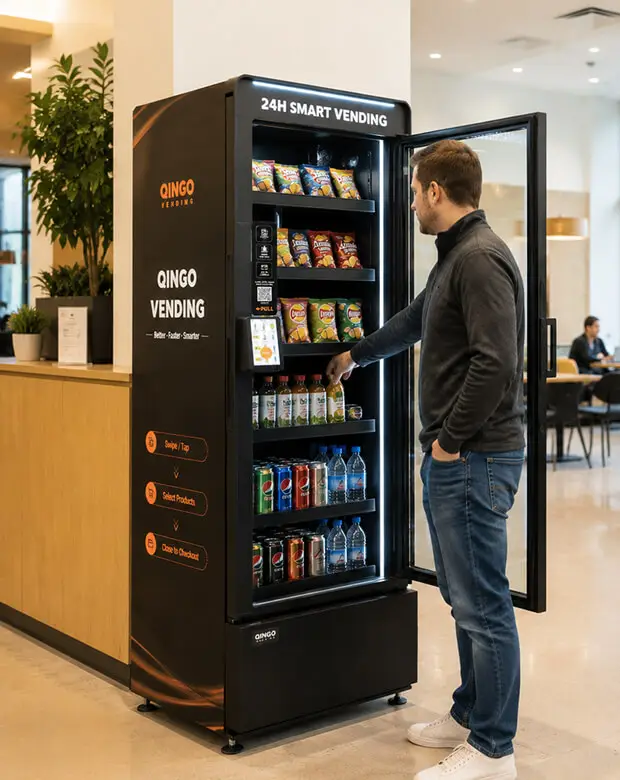
An AI vending machine is an automated retail unit that utilizes technologies such as computer vision, machine learning, and weight sensors to manage transactions and inventory. Unlike traditional machines that rely on a motor to turn a coil, AI-powered “Grab-and-Go” machines often allow customers to open a door, pick up an item to inspect it, and simply walk away—with the AI automatically charging them for what they took.
How AI Technology Expands Product Possibilities
The shift from mechanical delivery to AI-driven recognition has removed the three biggest barriers in vending: fragility, size variety, and age verification.
- Computer Vision: Cameras identify exactly which item was removed from a shelf, regardless of its shape.
- Smart Sensors: Weight sensors act as a secondary verification, ensuring that even if two items look similar, the machine knows which one was purchased.
- Climate Control & Monitoring: AI systems monitor internal temperatures in real-time, automatically locking the door or alerting the operator if the “danger zone” for fresh food is reached.
- Biometric & ID Verification: Advanced AI can now process government IDs and use facial recognition to ensure the buyer meets age requirements for restricted goods.
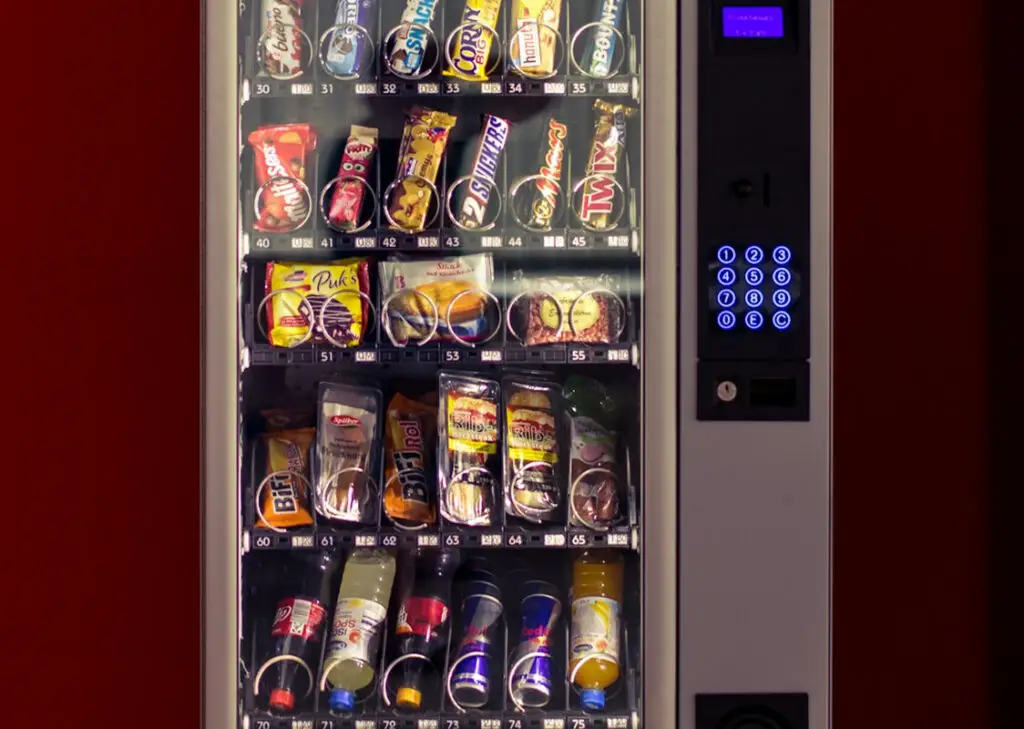
5 High-Value Categories for AI Vending Machines
Based on current market trends and the capabilities of our latest hardware, here are the most profitable product categories for AI automated retail.
1. Fresh and Healthy Meals
Traditional machines struggled with the short shelf life of salads, wraps, and poke bowls. AI vending machines excel here because they can track expiration dates for every individual SKU. If a salad is past its prime, the AI disables that specific item or offers a “happy hour” discount via the external screen to reduce waste before it expires.
2. High-Value Electronics
Selling a $300 pair of noise-canceling headphones in a spiral machine was a recipe for disaster. With AI “Grab-and-Go” cabinets, the product never “falls.” Customers can handle the packaging, and the machine only completes the transaction when the door is closed. This security allows for the sale of smartphones, chargers, power banks, and high-end cameras in airports and transit hubs.
3. Age-Restricted Goods (Alcohol and Tobacco)
This is a major growth sector. By integrating AI-powered ID verification, operators can now legally sell craft beer, wine, or tobacco products. The AI matches the person’s face to their ID in real-time, providing a level of compliance that often exceeds human-staffed convenience stores.
4. Luxury Beauty and Skincare
Fragile glass perfume bottles and premium cosmetics require a “soft touch” environment. AI machines allow for high-density shelving where luxury items can be displayed beautifully without the need for bulky coils. This is perfect for high-end malls or hotel lobbies.
5. Pharmacy and Personal Care
In hospitals or 24-hour business centers, AI machines can dispense Over-The-Counter (OTC) medications, hygiene kits, and even COVID-19 tests. The AI provides a digital interface that can offer product information or contraindications, acting as a virtual pharmacist’s assistant.
Why Your Choice of Product Matters for ROI
In my experience, the most successful operators are those who match the product to the AI’s specific data capabilities. Because an AI vending machine tracks every interaction—including which items people pick up and then put back—it provides a goldmine of consumer behavior data.
If you sell high-margin items like electronics or fresh meals, the higher initial investment in an AI machine is typically recouped much faster than with traditional snack vending. You aren’t just selling a product; you are providing a premium, frictionless experience that justifies a higher price point.
Summary
The “AI Vending Machine” has moved us past the era of the “stuck bag of chips.” By leveraging computer vision and intelligent sensors, these machines can sell almost anything—from fresh sushi and expensive electronics to regulated alcohol. As technology continues to evolve, the barrier between traditional retail and automated retail will continue to disappear.
FAQ
Can AI vending machines sell hot food?
Yes. Modern AI machines can be integrated with internal microwave or induction heating modules. The AI manages the heating time based on the specific product selected, ensuring food safety and quality.
How do AI machines prevent theft of high-value items?
AI machines typically require a payment method (credit card or mobile wallet) to be authorized before the door opens. The computer vision system and weight sensors track exactly what is removed, and the customer is charged automatically when the door closes.
Do AI vending machines require special packaging?
Generally, no. Unlike spiral machines that require specific box dimensions to prevent jams, AI computer vision can recognize products in their original retail packaging, which simplifies the supply chain for operators.
Can I sell alcohol or tobacco in an AI vending machine?
Yes, provided local regulations allow for automated sales. The AI uses “ID & Face” matching technology to verify the buyer’s age and identity before granting access to the products.
How does AI help with inventory management?
The machine provides real-time data to your cloud dashboard. You will know exactly when a specific item is sold, allowing you to optimize your restocking routes and ensure that high-demand products are never out of stock.
Reference Sources
- Vending Market Watch: Trends in Automated Retail and AI Technology
- NAMA (National Automatic Merchandising Association): The State of the Vending Industry Report
- IEEE Xplore: Research on Computer Vision for Automated Retail Systems