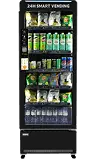
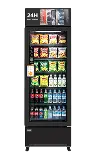
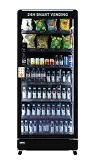
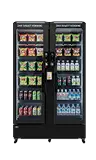
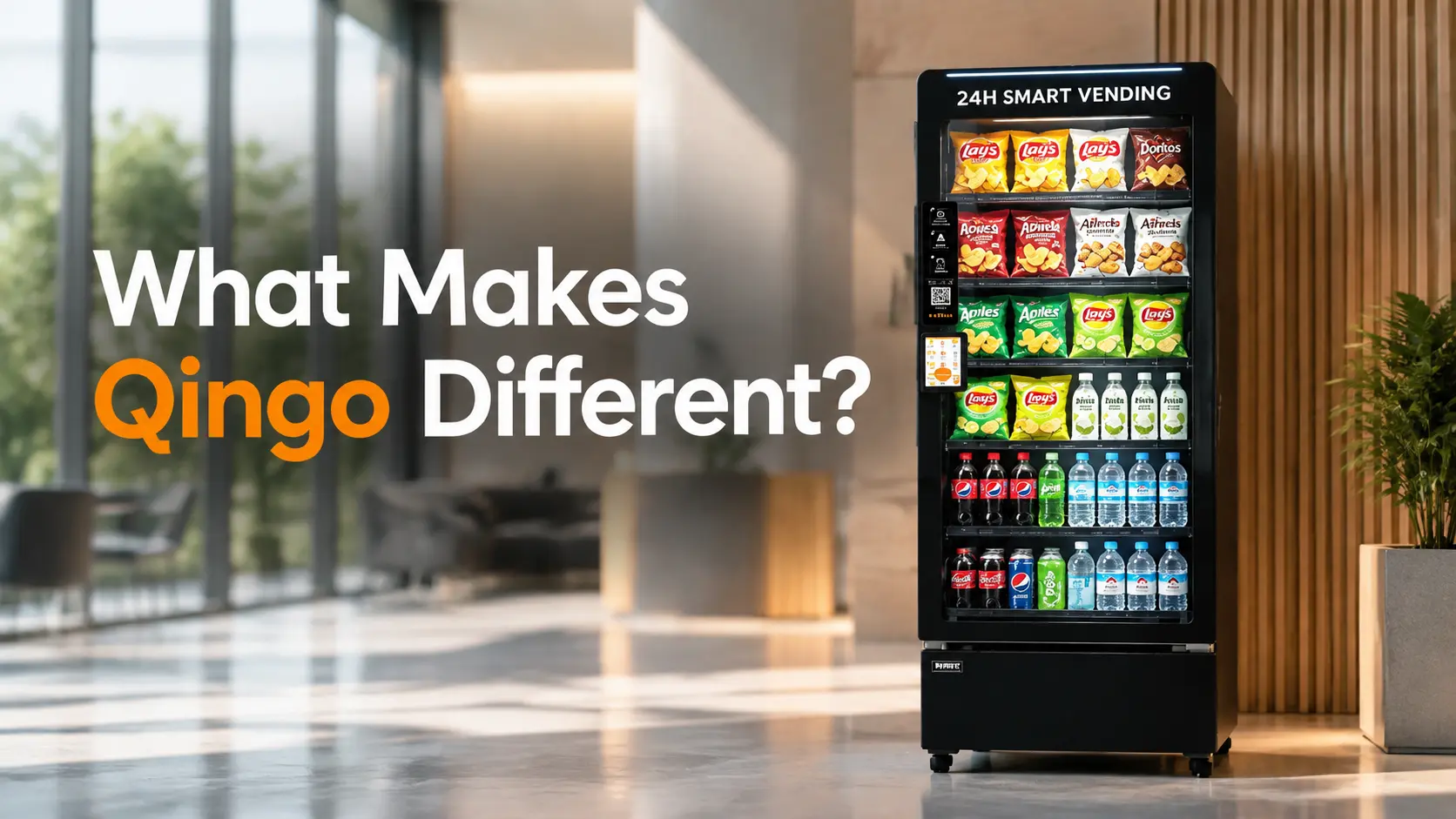
In the rapidly growing automated retail sector, commercial enterprise buyers, vending operators, and property managers frequently face a market saturated with generic equipment. Legacy vending setups have long suffered from inherent structural flaws: rigid mechanical coils that jam, restrictive product dimensions, zero real-time operational data, and fragmented supplier relationships between hardware builders and software vendors. When evaluating commercial retail partners, a crucial question defines the selection process: What makes Qingo different?
Qingo redefines the automated retail experience by operating not as a basic machine reseller, but as a fully integrated, global smart vending ecosystem. Headquartered in Los Angeles, California, Qingo combines proprietary optical AI recognition, versatile hardware configurations, centralized cloud software telemetry, and tailored scenario support into a unified business engine. Rather than offering off-the-shelf compromises, Qingo provides complete QINGO smart vending solutions designed to maximize operator ROI, streamline daily maintenance, and elevate consumer shopping satisfaction. Below is an in-depth analysis of the four core pillars that establish Qingo’s product differentiation in the global automated retail market.
1. Hardware Engineering and Versatile Product Configuration Differentiators
The most immediate aspect of QINGO product differentiation lies in physical machine design and interior engineering. Traditional vending equipment relies heavily on metal drop-coils and narrow glass-front frames that restrict operators to standard cylindrical cans and thin snack bags. Qingo replaces these physical limitations with open, flexible shelf architectures and a specialized portfolio of five distinct hardware configurations.
Distinct QINGO vending machine features across its hardware portfolio include:
- Open Coil-Free Shelf Engineering: By eliminating restrictive metal coils, Qingo machines allow operators to stock diverse product categories, ranging from fresh boxed meals and wide salad containers to fragile glassware, electronics, and personal care kits.
- Qingo Ten 409 Compact Architecture: Engineered with a streamlined micro-footprint, this entry model brings automated retail into tight office breakrooms, narrow hallways, and micro-locations where standard vending frames cannot fit.
- Qingo King 509 Portable Flagship: Built as Qingo’s best-value hero model, offering superior cabinet mobility and versatile capacity for flexible commercial placement across shifting high-traffic venues.
- Qingo Queen 509 Multimedia Signage: Features integrated exterior digital signage displays that transform physical vending hardware into an active advertising channel, generating secondary passive ad revenue for property partners.
- Qingo Ace 779 High-Capacity Workhorse: Designed for broad SKU diversity and heavy daily inventory volume, serving as the core unit for healthcare centers, universities, and high-density public venues.
- Qingo Pair 1208 Dual-Door System: Utilizes an advanced dual-door, dual-shopper architecture that permits two customers to shop and check out simultaneously, doubling peak-hour transaction capacity during busy rushes.
Underpinning this versatile hardware lineup is an unyielding commitment to manufacturing excellence. Supported by over 100 patented technologies, Qingo builds every physical cabinet to rigorous commercial standards, ensuring 24/7 operational durability and low noise levels.
2. Proprietary Optical AI Vision Recognition vs. Legacy Mechanical Drop Systems
A fundamental element of what makes QINGO different is its total transition from mechanical dispensing to artificial intelligence. Traditional vending machines depend on complex drop-motor assemblies, spiral solenoids, and physical keypads. These mechanical components represent the leading cause of customer frustration, accounting for frequent product jams, failed drops, and lost sales revenue.
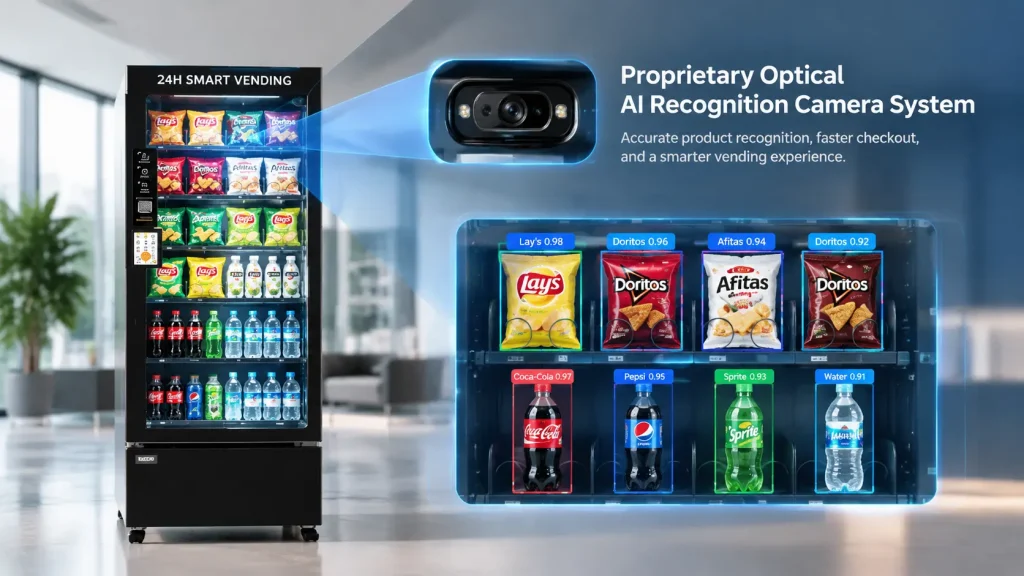
Qingo replaces outdated mechanical systems with advanced optical sensors and machine learning vision recognition, establishing a seamless grab-and-go consumer experience:
- Camera-Driven AI Product Recognition: High-definition optical sensors automatically track item removal in real time upon door closure, recognizing items with high accuracy regardless of orientation.
- Frictionless Multi-Item Basket Shopping: Consumers simply swipe a payment method, open the door, select multiple items across different shelves, and close the door. The system automatically tallies the basket, eliminating single-item purchase limitations.
- Zero Mechanical Drop Jams: Because consumers touch products directly without physical coils or elevator drop trays, mechanical jamming is completely eliminated, ensuring 100% transaction fulfillment.
- Higher Repeat Purchase Velocity: Eliminating keypad friction and slow bill validators delivers a retail experience as fast as opening a home refrigerator, driving significantly higher repeat customer visits.
3. Native Unified Cloud Software vs. Disconnected Third-Party Telemetry
In traditional vending operations, operators must purchase standalone hardware from one manufacturer and retrofit third-party telemetry card readers and software from external vendors. This fragmented model results in software glitches, synchronization delays, and poor technical support accountability. Qingo differentiates itself by offering native, end-to-end integration where hardware engineering and cloud software are built by one unified manufacturer.
Connecting over 250,000 active devices worldwide for more than 10,000 business partners, Qingo’s centralized cloud management system delivers six core operational advantages:
- Real-Time SKU-Level Inventory Tracking: Operators monitor exact stock levels remotely across geographically dispersed fleets, eliminating blind restock runs and preventing stockouts.
- Automated Smart System Alerts: Instant automated notifications flag door anomalies, power disruptions, or temperature shifts, preserving fresh food quality and minimizing downtime.
- Remote Price & Promotion Control: Operators execute instant price adjustments and deploy promotional discounts across multi-location routes directly from a single web or mobile dashboard.
- Multi-Location Fleet Telemetry: Group and analyze machine performance by region, venue type, or route cluster from one administrative master account.
- AI-Driven Business Analytics: Integrated analytics evaluate purchasing velocity and customer preferences, recommending optimized product mixes to maximize daily profit margins.
- Seamless Firmware & Security Updates: Over-the-air cloud updates ensure that every machine running on Qingo’s network receives continuous feature enhancements and security patches without requiring technician field visits.
4. Tailored Scenario Engineering and Dedicated Turnkey B2B Support
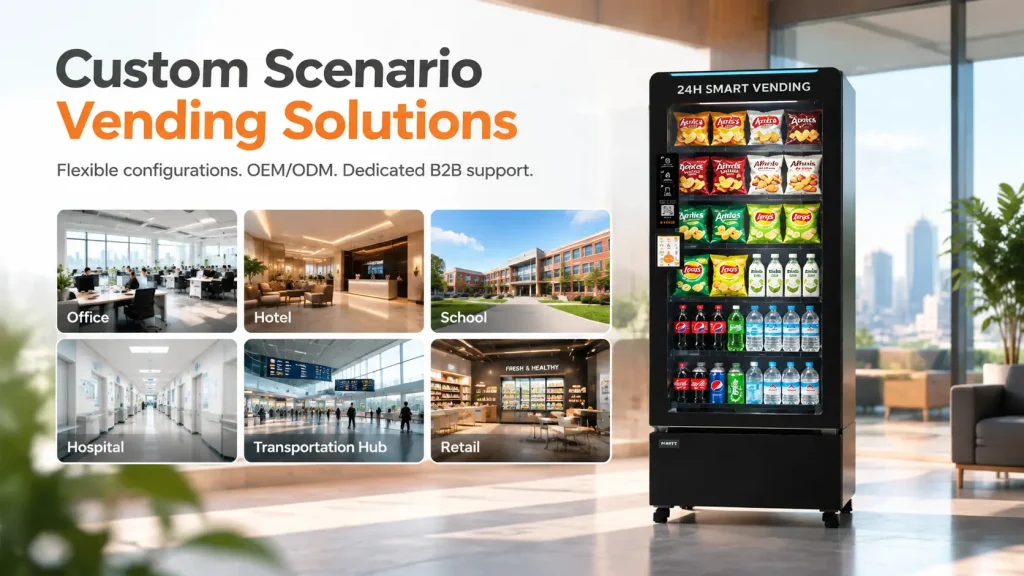
A major point of QINGO product differentiation is Qingo’s commitment to scenario-based customization. Rather than expecting a hospital, an office breakroom, or an airport terminal to adapt to a single rigid vending machine, Qingo tailors complete automated retail infrastructure to the specific operational demands of six major commercial sectors:
- Corporate Office Buildings: Providing quiet, compact automated micro-markets that offer 24/7 workplace fresh food, cold beverages, and healthy snacks for productive team members.
- Hotels and Hospitality Venues: Delivering 24/7 guest convenience snacks, drinks, and travel toiletries in hotel corridors without increasing night-shift staffing overhead.
- Hospitals and Healthcare Facilities: Supplying hygienic, continuous 24/7 refreshment access for shift doctors, nurses, patients, and visitors when cafeterias are closed.
- Educational Campuses: Capturing high student foot traffic during class breaks with rapid grab-and-go meal options in dormitory lobbies and academic centers.
- Transportation Hubs: Processing heavy peak-hour traveler rushes in airports, subway terminals, and train stations using dual-door simultaneous shopping systems.
- Manufacturing Facilities: Supporting 24/7 industrial shift-worker rotations across factory floors and warehouses with durable, high-capacity hardware.
Complementing this scenario flexibility is Qingo’s dedicated commercial support structure. Anchored by Qingo USA in Los Angeles, California, business partners receive accessible technical guidance, hardware customization options, and global service coordination. Prospective clients can easily initiate inquiries directly via official email at info@qingo.com.
Conclusion: The Integrated Ecosystem Advantage
When examining what makes QINGO different, the answer centers on its complete, integrated approach to automated retail. Qingo breaks away from legacy vending limitations by unifying specialized hardware configurations, proprietary optical AI vision recognition, native enterprise cloud software, and tailored scenario engineering into a single scalable platform.
By replacing mechanical friction with intelligent automation, Qingo empowers vending operators, distributors, and commercial property partners to lower operating overhead, eliminate maintenance trips, and maximize retail profitability. Ready to experience the Qingo difference in your commercial venue? Contact Qingo today to discover how our integrated smart vending solutions can elevate your automated retail operations