

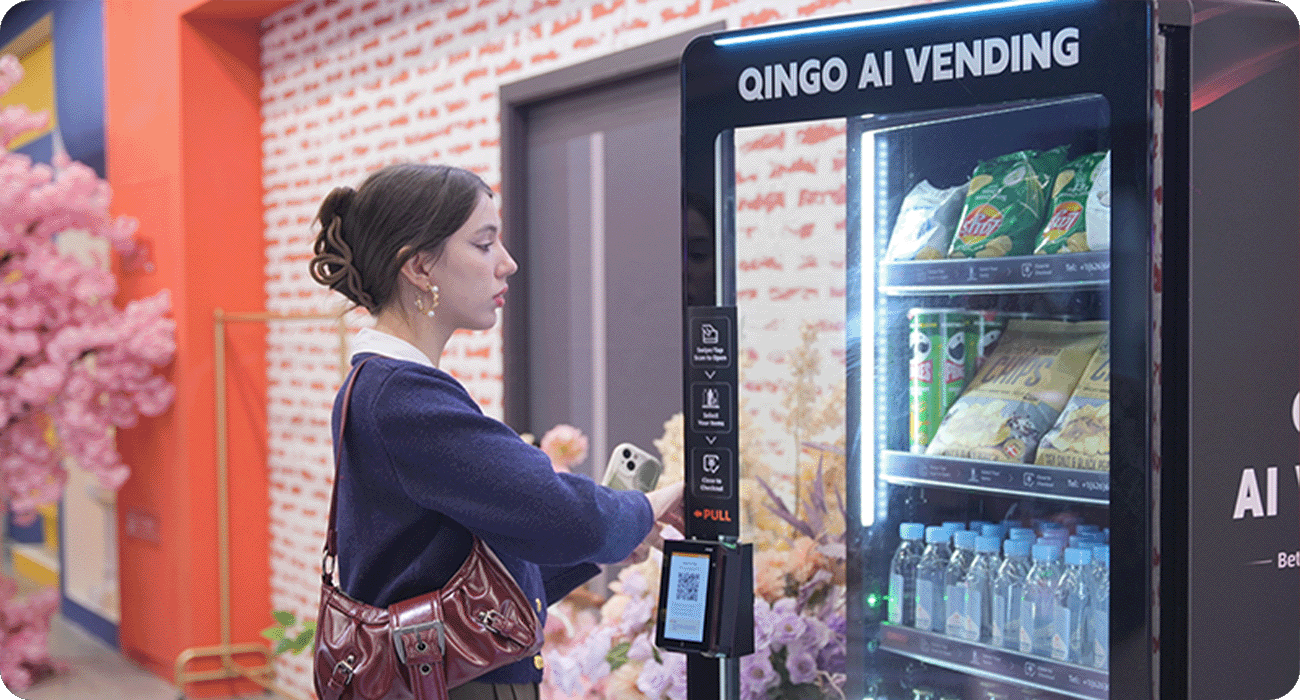
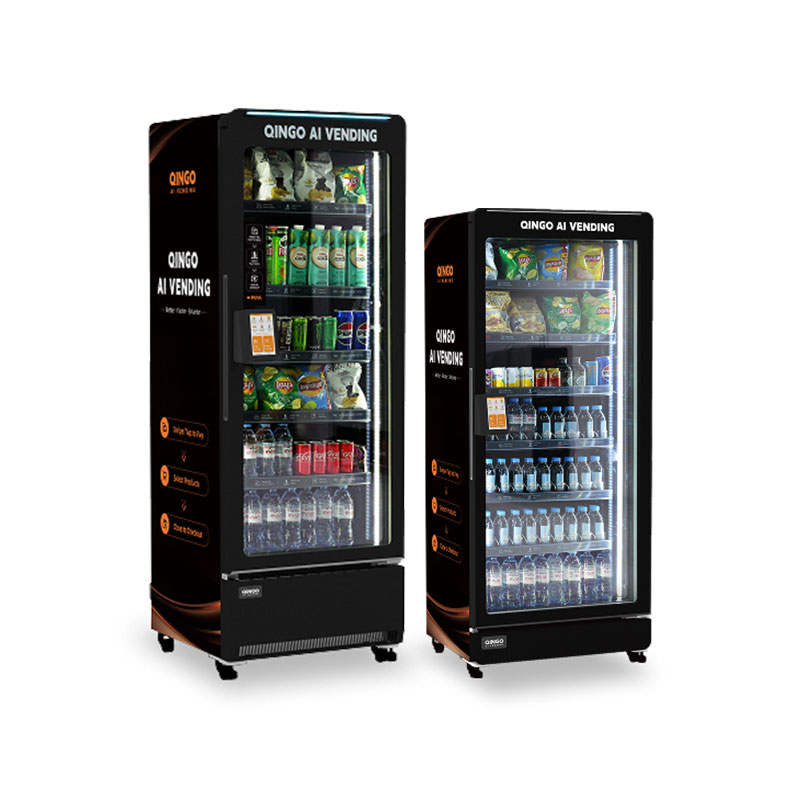
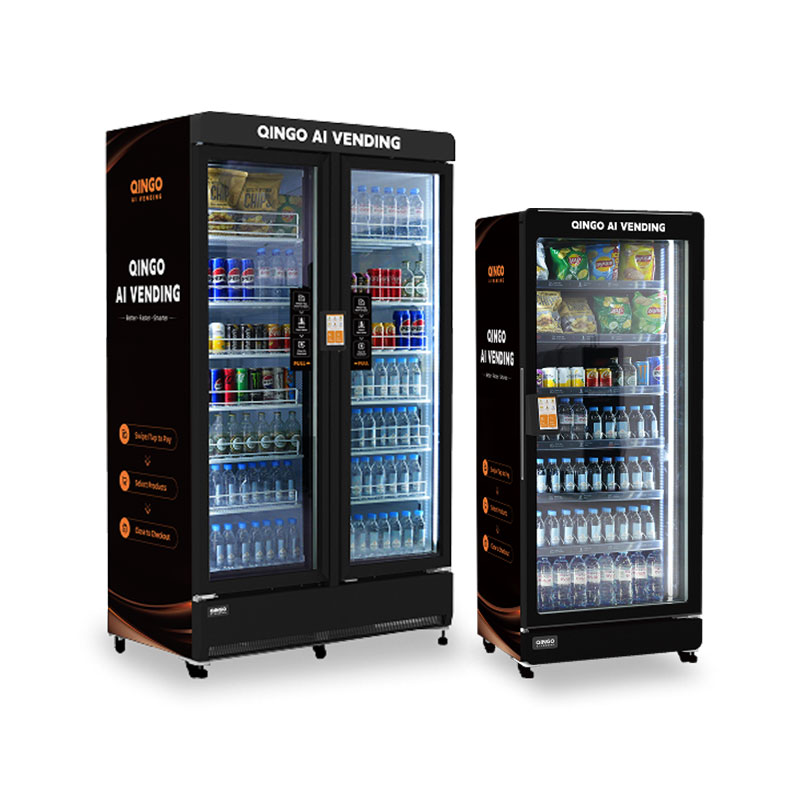
In the history of artificial intelligence, artificial neural networks (ANN) have always held a unique fascination. From Frank Rosenblatt’s “perceptron” making headlines in the 1960s for learning to recognize letters without explicit instruction, to today’s deep learning technologies capturing global attention, this technology that mimics the human brain continues to create wonders. At Qingo, we’re integrating this cutting-edge technology into everyday retail scenarios, creating a new generation of AI smart vending machines.
How Neural Networks Are Reshaping Retail Experience
Traditional vending machines operate on simple mechanical commands, while Qingo’s AI vending machines are equipped with neural network systems that emulate the human brain. As documented, neural networks replace “massive parallel computation instead of serial instructions,” enabling our devices to handle multiple complex tasks simultaneously:
- Optimized visual recognition: Using deep learning algorithms, our devices achieve 99.5% recognition accuracy without relying on RFID tags or weight sensors
- Adaptive learning: The system learns and optimizes from each transaction, dynamically adjusting product recommendations and inventory strategies
- Real-time decision making: Based on probabilistic calculations rather than fixed logic, the devices intelligently respond to various sales scenario changes
From Theory to Practical Technological Breakthrough
The “self-organizing properties” of neural networks mentioned in the document are perfectly demonstrated in Qingo vending machines. Our system evolves through continuous learning from initial setup:
- Smart restocking predictions: Analyzing sales data to automatically generate replenishment suggestions
- Dynamic pricing strategies: Intelligently adjusting prices based on time, location and other factors
- Self-diagnosis capabilities: Real-time monitoring of device status with early warning for potential issues
Future-Oriented Retail Solutions
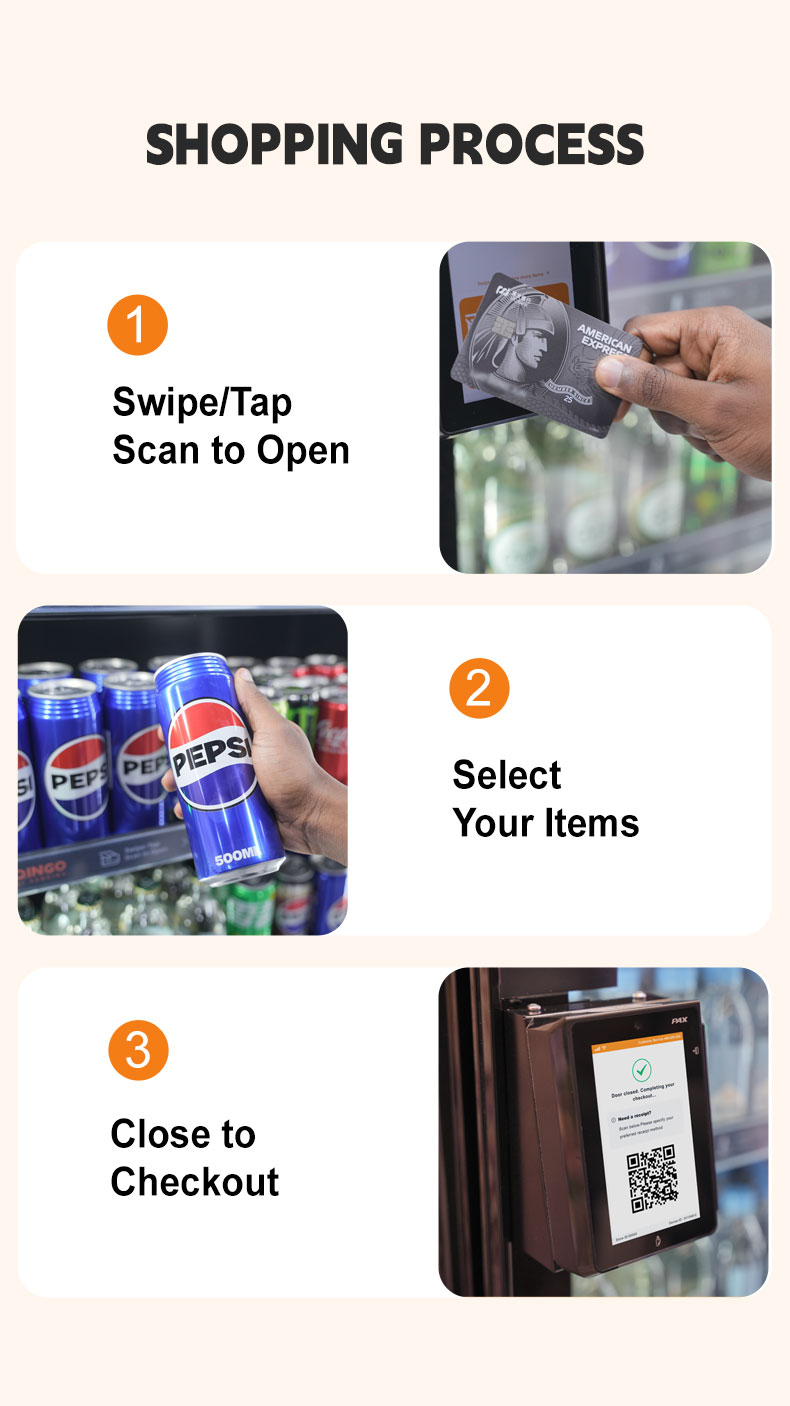
While the document notes that “strong AI remains quite distant,” Qingo has achieved significant breakthroughs in specific areas. Our devices not only support seamless experiences like face-scan access and grab-and-go convenience, but also continuously optimize operational efficiency through cloud-based neural networks.
Conclusion
As the document demonstrates, neural network technology is moving from laboratory research to practical applications. Qingo smart vending machines represent an optimal embodiment of this technology, and we will continue to deepen the integration of AI and retail to bring smarter, more convenient shopping experiences to consumers.
This article is based on the technical documentation “2.3.docx” concerning artificial neural networks, combined with the practical applications of Qingo smart vending machines.