Expanding an automated retail route in Southern California requires balancing upfront capital, hardware reliability, and regional logistics. Navigating the market for vending machines Los Angeles operators rely on involves evaluating manufacturer support, California compliance standards, and local fulfillment capabilities before committing to fleet orders.
Understanding Commercial Procurement Channels in Los Angeles
Commercial buyers in the Greater Los Angeles area typically acquire equipment through three primary channels. Each route carries distinct financial and operational trade-offs depending on your fleet size and deployment timeline.
- Direct-from-Manufacturer (OEM): Purchasing directly from equipment manufacturers eliminates middleman markups, provides direct access to firmware updates, and ensures factory warranty coverage. This route suits operators scaling multi-unit routes or seeking custom branding.
- Regional Equipment Distributors: Local wholesalers stock multiple brands and offer immediate showroom inspections. While convenient for single-unit buyers, distributor pricing typically includes a 15% to 30% margin over factory rates, and software support often routes back to the original manufacturer.
- Secondary / Refurbished Marketplaces: Online auctions and local classifieds offer lower initial entry costs. However, older machines frequently lack modern EMV contactless payment terminals, remote telemetry, and Energy Star certifications required by many Los Angeles commercial property managers.
Key Criteria for Evaluating Vending Machine Suppliers
Selecting a hardware partner impacts long-term maintenance costs and machine uptime. When comparing suppliers, commercial buyers should audit four operational areas.
- Telemetry and Payment Integration
Modern California consumers expect tap-to-pay functionality via Apple Pay, Google Pay, and contactless credit cards. Verify that the supplier provides integrated, PCI-compliant cashless readers alongside cloud-based vending management software (VMS) for real-time inventory tracking.
- California Regulatory and Building Compliance
Los Angeles commercial venues—especially hospitals, universities, and municipal buildings—enforce strict electrical and accessibility standards. Confirm that machines carry UL or ETL safety certifications and meet Americans with Disabilities Act (ADA) reach-range requirements.
- Spare Parts Availability and Technical Support
Downtime directly erodes route profitability. Prioritize suppliers that maintain domestic spare parts inventories—such as cooling decks, payment validators, and control boards—rather than shipping components overseas per repair request.
- Total Cost of Ownership (TCO)
Look beyond the base sticker price. Calculate freight shipping, liftgate delivery fees, software subscription tiers, and payment processing rates to determine the true five-year operating cost.
Leveraging Local California Warehouse Pickup for LA Buyers
Cross-country freight shipping represents a major hidden expense in commercial vending procurement. Shipping a single 600-pound machine from East Coast ports or inland distribution hubs to Southern California often adds $400 to $800 in LTL freight and liftgate charges, alongside potential transit damage risks.
To streamline regional deployment, Qingo operates a dedicated California warehouse serving Greater Los Angeles and surrounding counties. Commercial buyers in Los Angeles can consult directly with the Qingo team to arrange local warehouse pickup using their own box trucks or contracted local carriers.
Local fulfillment offers three immediate operational advantages:
- Reduced Freight Overhead: Eliminate cross-country shipping fees and residential or limited-access delivery surcharges.
- Faster Deployment Cycles: Bypass multi-week interstate transit windows to meet tight venue installation deadlines.
- Pre-Delivery Inspection: Coordinate warehouse handoffs smoothly with predictable scheduling across Los Angeles, Orange, and Ventura counties.
Matching Qingo Machine Models to Los Angeles Venues
Different commercial environments generate distinct foot traffic patterns and product demands. Matching hardware capacity and dispensing technology to your specific venue prevents stockouts and maximizes revenue per square foot.
High-Traffic Offices and Transit Hubs: Ten409
Corporate campuses in Downtown LA, tech offices in Silicon Beach, and busy transit concourses require high-capacity machines capable of rapid dispensing during peak break windows.
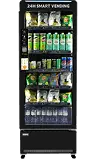
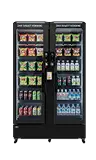
The Qingo Ten409 addresses high-volume locations with expanded product storage and multi-zone climate control. Operators can stock both chilled beverages and ambient snacks within a single footprint, reducing restocking frequency while maintaining fast transaction speeds.
Gyms, Studios, and Residential Complexes: King509
Fitness centers in West Hollywood, boutique studios in Santa Monica, and luxury apartment complexes cater to health-conscious consumers seeking functional drinks, protein bars, and recovery snacks.
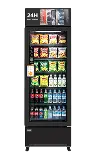
The Qingo King509 fits mid-sized commercial spaces where sleek aesthetics and versatile shelving matter. Its adjustable coil and conveyor configurations accommodate varied packaging shapes—from slim energy cans to wide meal-replacement pouches—without jamming.
Specialty Retail, Hotels, and Compact Lobbies: Ace779
Boutique hotels, medical waiting rooms, and university dormitories often have strict floor-space limitations yet demand premium product presentation for higher-margin items like cosmetics, electronics accessories, or gourmet snacks.
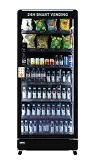
The Qingo Ace779 features a space-efficient profile engineered for tight commercial footprints. Its precision dispensing mechanism protects fragile or high-value packaging, allowing operators to expand beyond traditional snacks into specialty retail categories.
Step-by-Step Procurement Checklist for LA Operators
Before finalizing your equipment purchase order, execute this pre-deployment verification process:
- Audit Venue Dimensions: Measure doorway widths, elevator capacities, and final placement clearance, leaving at least 4 to 6 inches of rear ventilation space for refrigerated units.
- Verify Power Requirements: Confirm access to a dedicated 110V–120V grounded outlet within 6 feet of the machine location.
- Confirm Connectivity: Test cellular signal strength (4G/5G) or secure venue Wi-Fi credentials to ensure uninterrupted cashless payment processing.
- Schedule Warehouse Logistics: Contact Qingo’s California operations team to confirm inventory availability, model configurations, and local pickup windows.
FAQ
1. Can I arrange local pickup for vending machines in Los Angeles?
Yes. Commercial buyers in Los Angeles and Southern California can consult with Qingo to coordinate local warehouse pickup from their California facility, helping operators save on cross-country freight costs and shorten delivery lead times.
2. What permits are required to operate vending machines in Los Angeles?
Operators must obtain a California Department of Tax and Fee Administration (CDTFA) Seller’s Permit and a City of Los Angeles Business Tax Registration Certificate. Machines dispensing perishable food items also require health permits from the Los Angeles County Department of Public Health.
3. How much does a commercial smart vending machine cost in California?
Commercial smart vending machines typically range from $3,500 to $8,500 per unit depending on refrigeration capacity, touchscreen interface size, and dispensing mechanisms. Buying direct from a manufacturer with a local California warehouse lowers total landed costs by reducing freight fees.
4. Which vending machine model works best for small office spaces?
Compact, multi-category machines like the Qingo Ace779 work best for small offices and hotel lobbies because they maximize product variety within a minimal floor footprint while maintaining quiet refrigeration operation.
5. Do smart vending machines require Wi-Fi at the Los Angeles venue?
No. Most modern smart vending machines include built-in 4G LTE cellular modems that connect automatically to major US carriers, allowing reliable cashless transactions and cloud inventory syncing without relying on the host venue’s Wi-Fi network.