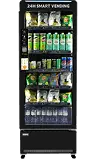
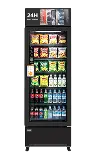
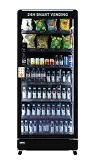
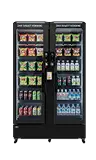
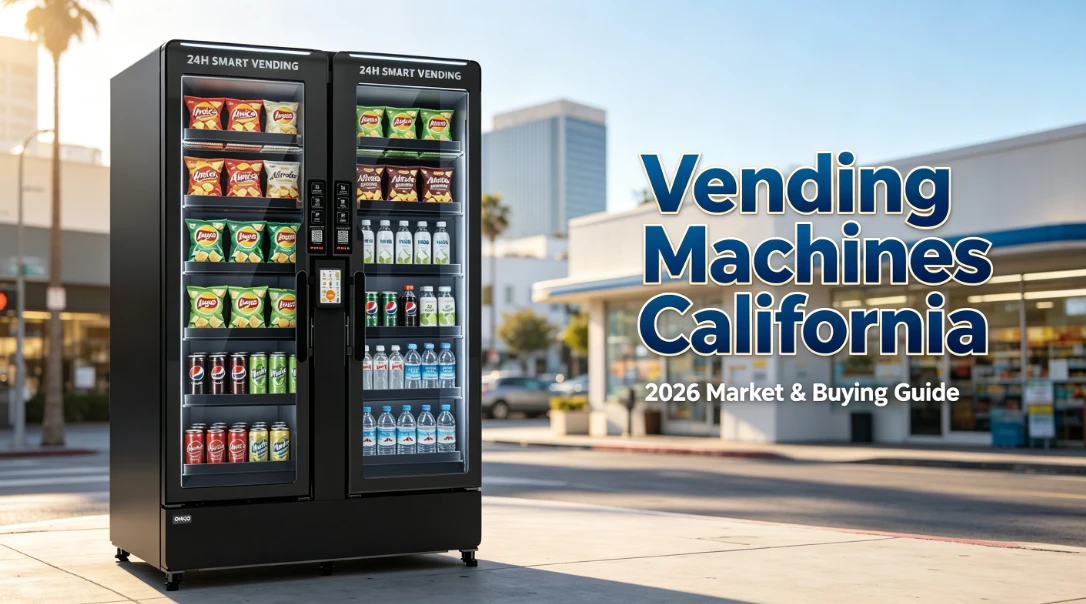
California represents the largest automated retail market in the United States, driven by high minimum wages and dense urban foot traffic. For operators sourcing vending machines California, understanding regional demand and local logistics is critical to protecting profit margins.
Choosing the right supplier involves balancing equipment technology, compliance standards, and freight costs. Local warehouse availability in California directly impacts your deployment timeline and total capital expenditure.
California Smart Vending Market Size & Commercial Viability
The North American smart vending market continues to expand rapidly, with California accounting for a substantial share of regional deployments. High commercial rent and rising labor costs push business owners toward unattended retail solutions.
In 2026, smart coolers and AI-powered cabinets outperform traditional coil machines in the Golden State. Consumers in tech-forward regions expect contactless tap-to-pay, Apple Pay, and frictionless grab-and-go experiences.
Key commercial drivers making vending machines CA highly viable include:
- Labor Cost Mitigation: California’s elevated minimum wage makes 24/7 staffed micro-markets expensive, favoring automated kiosks.
- Tech Adoption: High smartphone penetration supports cashless transactions, which account for over 85% of urban vending sales.
- Regulatory Alignment: Modern telemetry allows operators to track expiration dates and meet California health and energy standards remotely.
Procurement Demand Across Major California Cities
Sourcing strategies must align with the distinct demographics and commercial real estate profiles of California’s primary metropolitan hubs.
Los Angeles & Southern California
Los Angeles, Orange County, and San Diego feature sprawling commercial zones, entertainment studios, and high-density apartment complexes. Demand here centers on high-capacity beverage coolers, healthy snack machines, and specialty beauty or electronics kiosks in malls and transit hubs.
San Francisco Bay Area
Silicon Valley and San Francisco prioritize AI vision coolers and smart fresh-food fridges. Corporate campuses, biotech labs, and coworking spaces seek sleek equipment capable of handling fresh salads, artisan coffee, and functional beverages without mechanical jams.
Sacramento & Central Valley
Logistics hubs, distribution centers, and manufacturing facilities dominate the Central Valley. Operators in Sacramento, Fresno, and Bakersfield require heavy-duty combo machines and high-capacity cold drink units built for rugged, high-volume breakroom environments.
Local Procurement Channels & Supplier Options in CA
When evaluating where to buy vending machines California, operators typically choose between three primary sourcing channels. Each channel offers distinct trade-offs in pricing, customization, and post-sale support.
| Sourcing Channel | Typical Inventory | Best For | Primary Limitation |
| Manufacturer Direct (Local Warehouse) | New smart coolers, AI cabinets, combo units | Scaling operators seeking factory pricing and fast pickup | Requires upfront planning for bulk customization |
| Regional Distributors | Refurbished legacy brands (Dixie Narco, Crane) | Buyers needing immediate local repair parts | Higher markups and older mechanical technology |
| Online Marketplaces & Auctions | Used equipment from retiring routes | Solo operators testing a single low-cost location | Zero warranty, hidden refrigeration wear, high risk |
Local Warehouse Pickup vs. Cross-Regional Freight
Shipping heavy commercial vending equipment across state lines or overseas introduces significant financial and operational friction. Standard LTL (Less-Than-Truckload) freight from the East Coast or Midwest to California routinely adds $600 to $1,200 per machine in shipping and liftgate fees.
Sourcing from a local California facility eliminates long-haul transit risks. Machines traveling thousands of miles face higher probabilities of compressor damage, shattered glass doors, and sensor misalignment.
Qingo California Warehouse Advantage
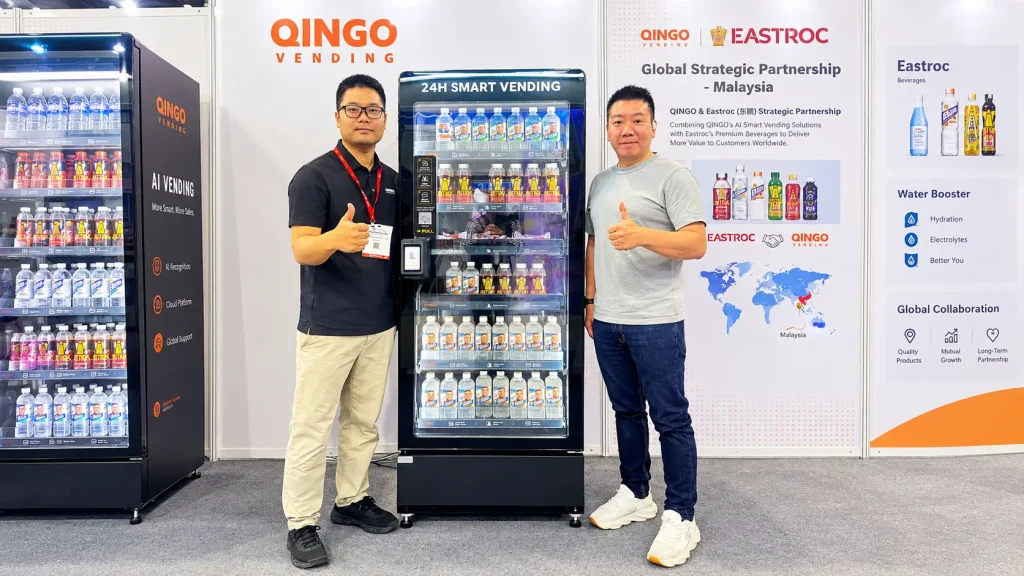
To help operators bypass long-haul freight delays, Qingo maintains a dedicated warehouse facility in California. Buyers can consult directly with the Qingo team to inspect available inventory and arrange local pickup.
Utilizing Qingo’s California warehouse provides distinct operational advantages:
- Reduced Freight Costs: Eliminate cross-country shipping fees by scheduling direct pickup with your own box truck or local courier.
- Faster Deployment: Cut lead times from weeks to days, allowing you to secure lucrative commercial contracts ahead of competitors.
- Pre-Delivery Inspection: Verify machine dimensions, payment terminal integration, and cooling performance before the unit leaves the dock.
Essential Buying Factors for California Operators
Before finalizing your equipment order, verify that your machines meet California’s strict operational and regulatory requirements.
- NAMA & UL Certification: Ensure all electrical and refrigeration components carry UL certification and NAMA compliance to pass local health department inspections.
- Telemetry & Payment Hardware: Select machines equipped with 4G/5G cloud telemetry and NFC readers supporting mobile wallets and EMV chip cards.
- Energy Efficiency: California Title 20 appliance efficiency regulations govern commercial refrigeration; verify that your smart coolers use eco-friendly refrigerants like R290.
- Footprint & Door Clearance: Measure standard 32-inch commercial doorways and elevator capacities at your target California locations before selecting wide-body cabinets.
FAQ
1. Do I need a seller’s permit to operate vending machines in California?
Yes, you must register with the California Department of Tax and Fee Administration (CDTFA) for a seller’s permit. Depending on the specific food or beverage items you sell, sales tax rules vary between cold food products and hot prepared drinks.
2. How much do smart vending machines cost in CA?
New smart AI coolers and touchscreen vending machines in California generally range from $3,500 to $7,500 per unit. Final pricing depends on refrigeration capacity, AI camera systems, and payment terminal configurations.
3. Can I pick up my vending machine directly in California to save on shipping?
Yes, purchasing from a manufacturer with local inventory like Qingo allows you to schedule direct warehouse pickup in California. Local pickup saves hundreds of dollars in cross-country LTL freight and prevents transit damage.
4. What are the most profitable vending locations in California?
High-density luxury apartment buildings, corporate tech campuses, logistics warehouses, and hospital breakrooms generate the highest consistent revenue. Locations with over 100 daily foot-traffic count and limited nearby retail options perform best.
5. Are cashless payment systems mandatory for California vending machines?
While not legally mandatory, cashless payment systems are practically essential for commercial success in California. Over 85% of urban consumers prefer tap-to-pay cards or mobile wallets over carrying physical cash.