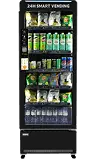
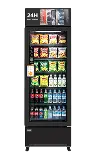
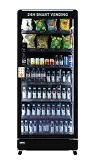
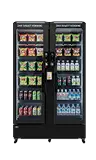
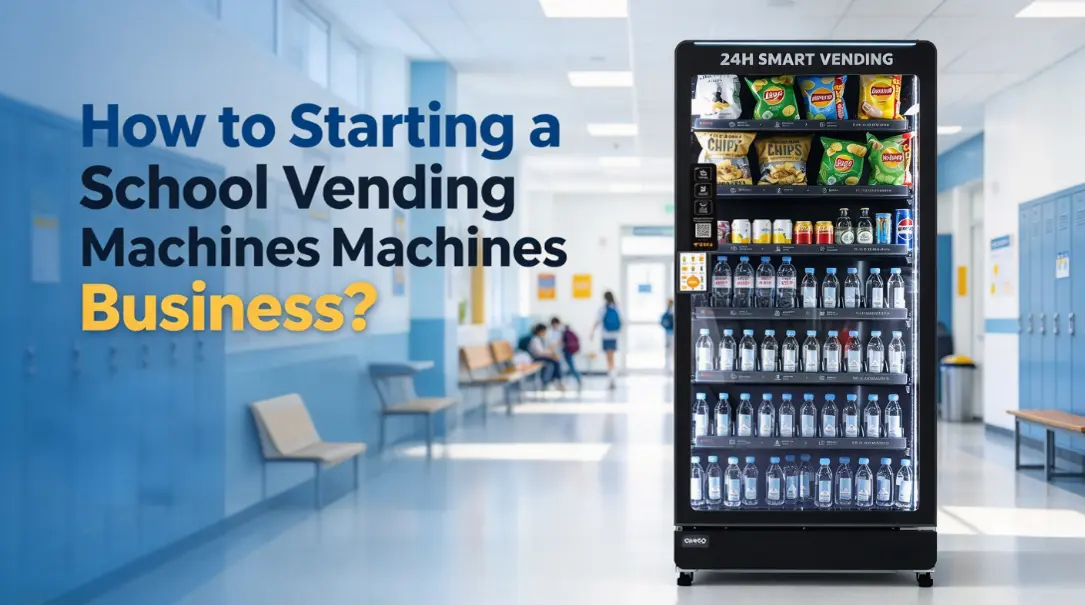
The school vending machines business presents a highly predictable revenue stream for novice operators. Educational campuses offer consistent daily foot traffic from students, faculty, and staff. However, entering this market requires strict compliance with nutritional standards and careful partnership negotiations.
This guide breaks down the essential steps for beginners to launch, test, and scale a smart vending operation in schools.
Phase 1: Pre-Launch Preparation
Proper preparation minimizes early risks. Operators must analyze the specific school environment before investing in equipment or inventory.
- Scenario Research
Operators need to map the campus to find high-traffic zones. Gymnasiums, cafeterias, and student unions generate the highest sales volumes. You must also review the school bell schedule. Some districts restrict machine operations during lunch hours to avoid competing with cafeteria programs.
- Partnership Negotiation
Finding the real decision-maker accelerates the approval process. In public school districts, you should pitch to the district nutrition director or the business office rather than the school principal. Offer a competitive commission structure. Most contracts provide a 5% to 35% commission on gross sales. Schools often direct these funds to booster clubs or athletic programs.
- Machine Selection
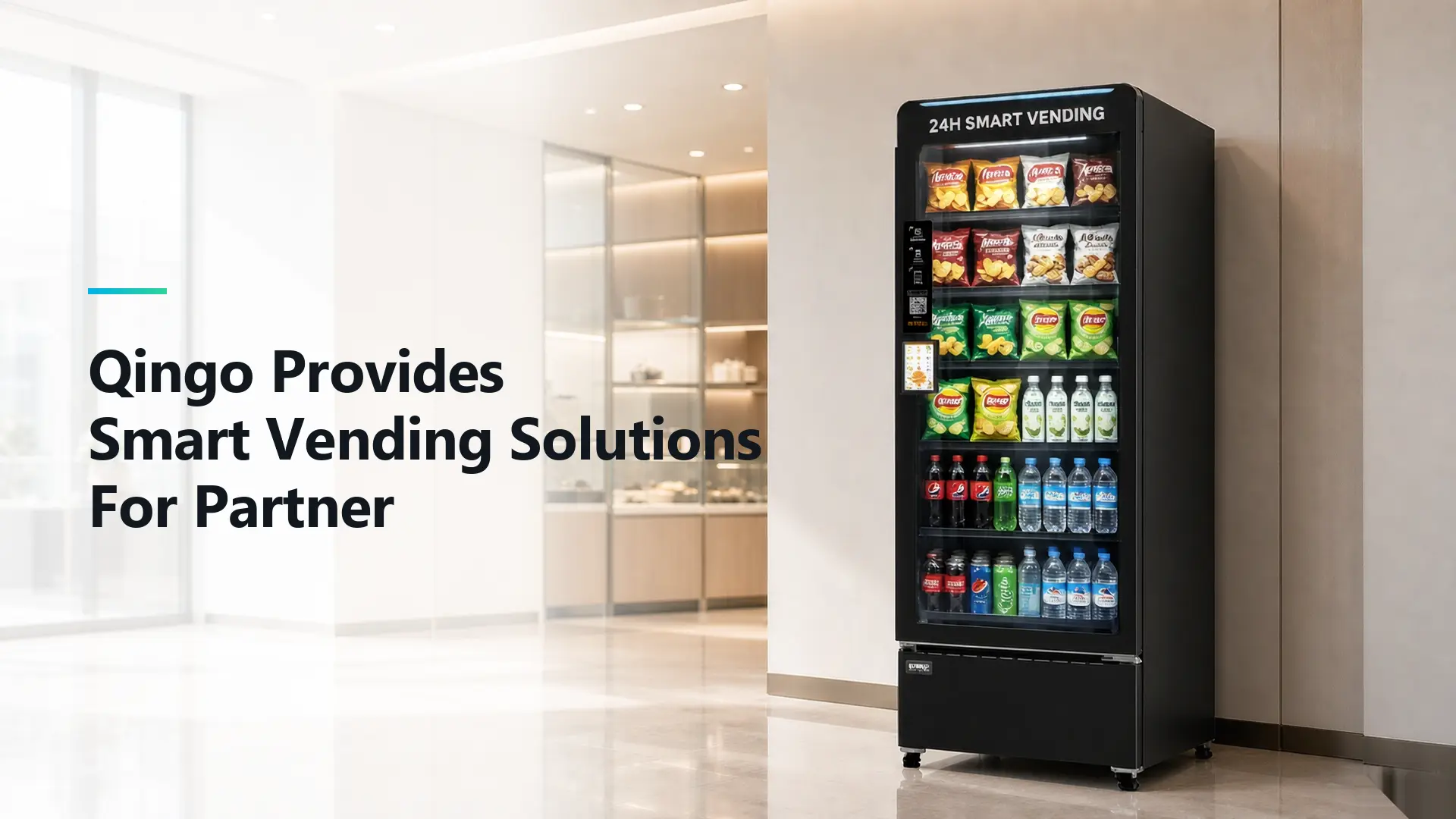
Modern campuses require modern solutions. Smart vending machines offer significant advantages over traditional coin-operated models. They feature cashless payment systems, which appeal to students using digital wallets. Remote telemetry allows operators to track inventory in real-time, reducing unnecessary trips and preventing out-of-stock scenarios.
- Funding Preparation
Starting small keeps initial costs manageable. A novice operator should secure funding for one or two smart vending machines, the first month of inventory, and basic business licenses. You can explore equipment financing options to reduce upfront capital requirements.
Phase 2: Low-Cost Trial Operation
A trial phase allows operators to learn the logistics of the school vending machines business without overcommitting resources.
- Product Selection and Margins
Public schools mandate compliance with USDA Smart Snacks guidelines. You must stock approved healthy snacks and beverages.
Here is a typical profit margin comparison for school vending products:
| Product Category | Average Profit Margin | Inventory Turnover | Spoilage Risk |
| Beverages (Water, Juice) | 50% – 70% | Very High | Low |
| Healthy Snacks | 30% – 50% | High | Medium |
| School Supplies | 60% – 80% | Medium | None |
- Managing Logistics and Shrinkage
Use vending management software to track daily sales. Remote monitoring helps you identify exactly which products sell best. This data allows you to optimize restocking routes and reduce fuel costs. Proper inventory rotation minimizes product expiration, which directly protects your gross profit.
- Tracking Gross Profit and Loss
During the trial phase, you must record every expense. Subtract the cost of goods sold, school commissions, and maintenance costs from your total revenue. A well-placed school vending machine can generate consistent weekly profits, but you must monitor machine vandalism or mechanical loss closely.
Phase 3: Scaling the Operations
After a successful trial period of three to six months, you can evaluate expansion opportunities.
Look for consistent daily sales and a positive return on investment. Once you prove your reliability at a single campus or private school, you can use that service record to bid on larger, district-wide contracts. Scaling up requires bulk purchasing strategies to lower the cost of goods and improve your overall ROI.
Beginner Pitfall Guide
Novice operators often make avoidable mistakes. Follow these guidelines to protect your investment.
- Ignoring Nutrition Guidelines: Failing to comply with USDA Smart Snacks standards can lead to immediate contract termination.
- Poor Location Placement: Placing machines in hidden hallways reduces visibility. Always negotiate for prime real estate near gymnasiums or main entrances.
- Neglecting Maintenance: Students will stop using machines that frequently jam or reject payments. Schedule regular preventative maintenance.
- Pricing Too High: Students have limited budgets. Set competitive prices that balance your profit margins with their purchasing power.
Read More About School Vending Machine
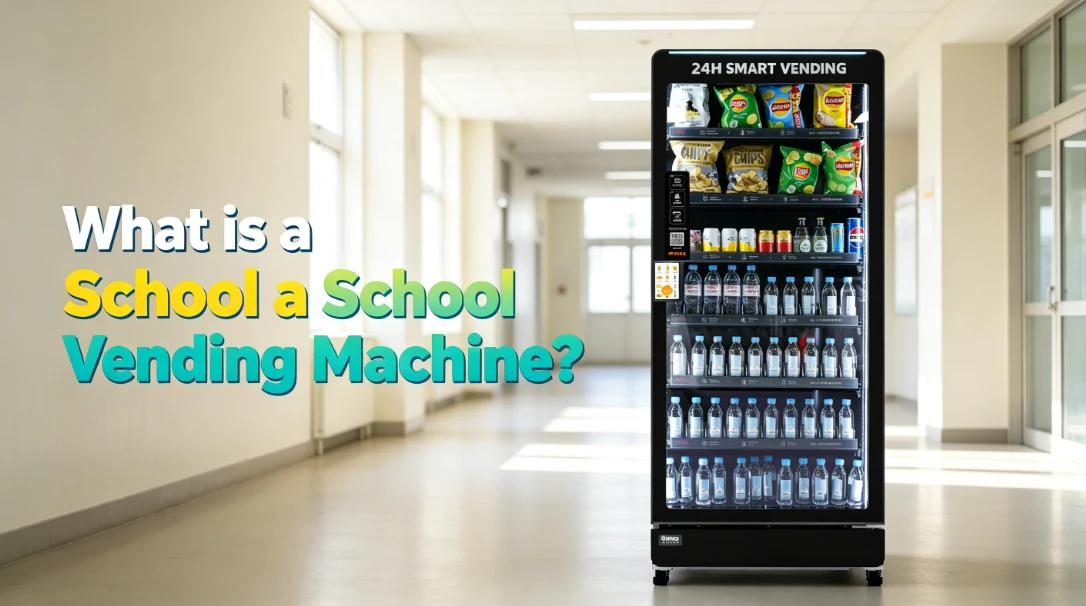
What is a School Vending Machine?
FAQ
- What permits do I need to start a school vending machines business?
You need a standard business license and an Employer Identification Number (EIN) to start. Depending on your state, you might also need a seller’s permit or a specialized food vending license. Contact your local city clerk to confirm specific health department requirements. - How much revenue can a school vending machine generate?
A well-placed machine in a busy school can generate substantial revenue. High-traffic locations often earn between $200 and $500 per week. However, exact profits depend on product selection, pricing, and the commission rate paid to the school. - What are the USDA Smart Snacks standards?
The USDA Smart Snacks standards regulate the nutritional content of foods sold outside school meal programs. Products must meet specific limits on calories, sodium, sugar, and fat. These rules apply to all vending machines operating during the school day in public schools. - Should I buy new or refurbished machines for a school?
New smart vending machines offer better reliability and cashless payment options, which students prefer. Refurbished machines cost less upfront but may require more maintenance. Beginners should consider new machines with warranties to minimize early repair costs. - How do I pitch my vending services to a school district?
Create a professional proposal highlighting your commitment to USDA nutritional compliance. Emphasize how your smart vending machines accept cashless payments and use remote monitoring. Offer a clear commission structure that benefits student programs or booster clubs.