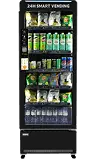
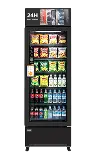
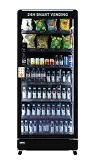
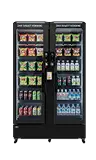
Schools provide one of the most reliable environments for automated retail. With hundreds or thousands of students staying on campus daily, the demand for accessible food and beverages is highly predictable. However, before deploying hardware, operators must evaluate the financial viability of the location.
Understanding school vending machines ROI helps operators allocate capital efficiently. By analyzing revenue drivers, operating costs, and hardware lifespan, you can build a sustainable business model. This guide breaks down the essential variables and explains how to estimate your potential earnings using advanced simulation tools.
The Business Opportunity in Educational Facilities
Educational campuses offer unique commercial advantages that drive consistent sales. Students and staff have limited access to off-site retail options during the school day. This creates a captive audience looking for quick, convenient meals and snacks between classes or after hours.
Unlike corporate offices with fluctuating hybrid schedules, schools guarantee daily foot traffic. This steady flow of potential customers directly impacts the school vending machine net profit per machine per month. By placing high-capacity machines in dormitories, libraries, or cafeterias, operators capture multiple purchasing windows throughout the day.
Core Revenue Factors Driving Profitability
To accurately project your income, you must assess several performance metrics. These variables dictate how much cash flows through the machine before expenses.
Operators should monitor these primary revenue drivers:
- Daily Foot Traffic: The total number of people walking past the machine daily.
- Purchase Conversion Rate: The percentage of passersby who actually buy an item. A well-placed machine usually captures between 2% and 20% of traffic.
- Average Transaction Value: The amount spent per checkout. Offering combo meals or premium healthy snacks increases this number.
- Average Gross Margin: The difference between retail price and wholesale cost, generally ranging from 20% to 70% based on the product mix.
Essential Cost Factors to Include in ROI
Gross sales do not equal take-home pay. A realistic school vending machines ROI calculation must account for both fixed and variable expenses. Ignoring these hidden costs often leads to inaccurate payback timelines.
When estimating your net income, subtract these operational costs:
- Location Commissions: Schools commonly require a 5% to 15% commission on gross sales, which often funds student programs.
- Cost of Goods Sold (COGS): The wholesale price of your snacks, fresh meals, and beverages.
- Payment Processing Fees: Cashless transactions incur merchant fees, typically around 5% to 6% per swipe.
- Restocking and Maintenance: Fuel, labor time, and vehicle wear-and-tear required to service the route.
How to Estimate Earnings Using the Payback Calculator
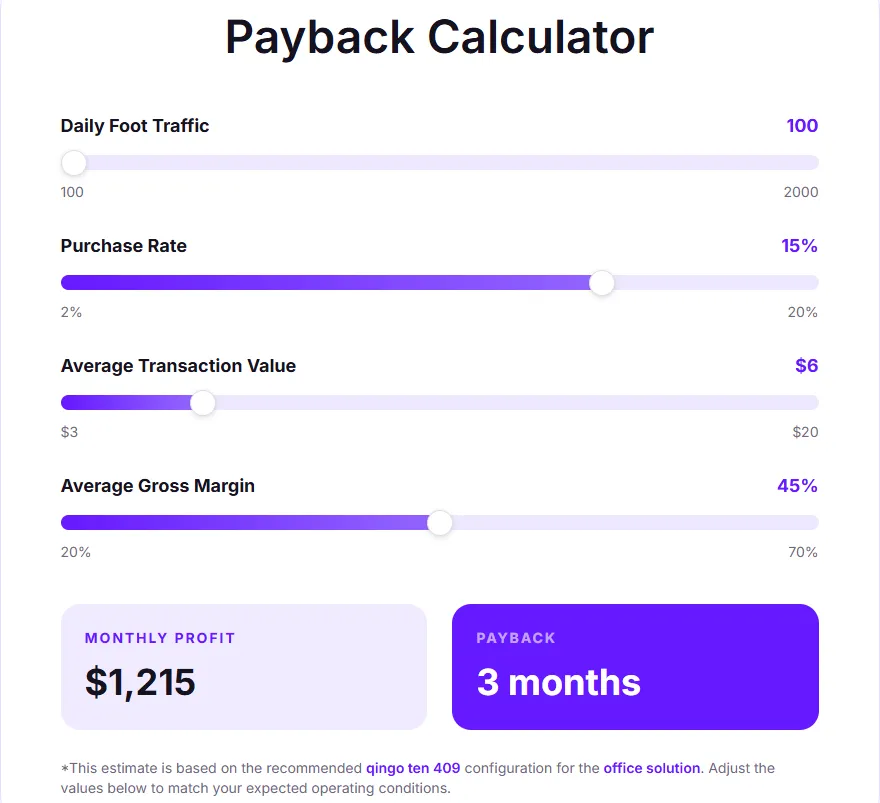
Instead of guessing your financial trajectory, operators can model their exact scenarios. We highly recommend using the Qingo Payback Calculator to project your specific school vending machine net profit per machine per month.
Follow this step-by-step process to simulate your ROI:
- Input Foot Traffic: Enter the estimated daily number of students passing the deployment site.
- Set the Purchase Rate: Adjust the slider to reflect expected engagement based on location visibility.
- Define Transaction Value: Input the expected average spend based on your product pricing strategy.
- Select Gross Margin: Enter your calculated margin after product sourcing costs.
- Review the Output: The simulator instantly calculates your estimated monthly profit and the exact time required to recoup your hardware investment.
By adjusting these inputs, operators can stress-test their business plans before purchasing equipment.
Conclusion
Calculating school vending machines ROI requires a clear understanding of traffic, margins, and operational friction. Educational facilities offer tremendous revenue potential for operators who deploy the right hardware and optimize their product mix. Stop relying on industry averages and start modeling your own success. Use our ROI simulator today to evaluate your campus locations and build a profitable automated retail business.
Read More About School Vending Machine
What is a School Vending Machine?
FAQ
- What makes schools a profitable environment for automated retail?
Schools provide a captive audience with consistent daily schedules. Students often lack the time to leave campus for meals, creating a high demand for 24/7 convenient food and beverage options. - How do location commissions impact school vending machines ROI?
Most educational facilities require a revenue-sharing agreement, typically ranging from 5% to 15% of gross sales. Operators must deduct this commission when projecting their net profit and payback periods. - What is the average school vending machine net profit per machine per month?
Profitability varies widely based on foot traffic and machine capacity. While standard locations might net a few hundred dollars, high-traffic university zones utilizing smart, large-capacity machines can generate significantly higher monthly returns. - How do smart vending cabinets reduce operational costs?
AI-powered systems provide real-time inventory tracking and sales analytics. This allows operators to optimize product selection and reduce unnecessary restocking trips, significantly lowering labor and fuel expenses. - How can I accurately forecast my campus deployment payback period?
You can use a digital ROI simulator, like the Qingo Payback Calculator. By entering your specific daily foot traffic, estimated purchase rate, transaction value, and gross margins, the tool provides a customized monthly profit and break-even timeline.